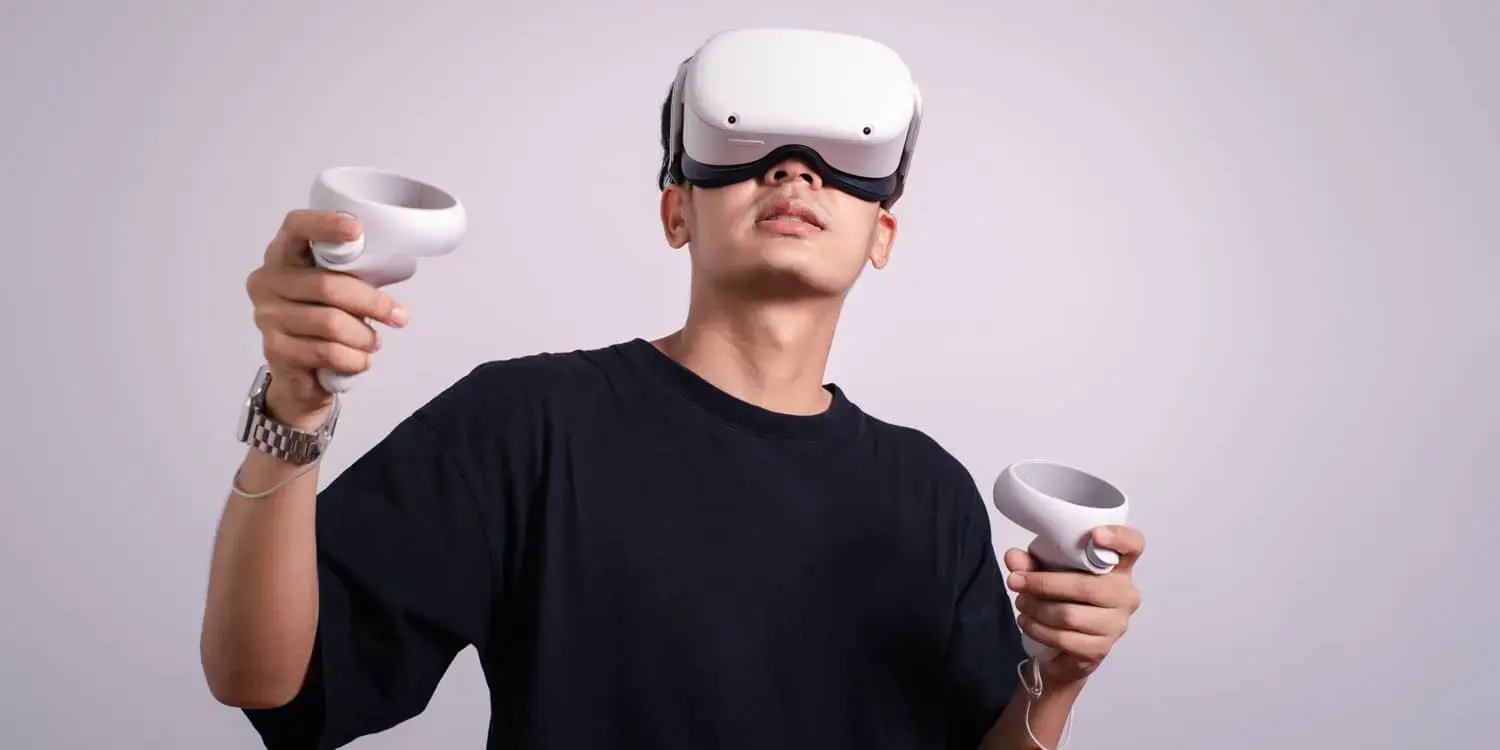
How Immersion Enhances Neurofeedback Precision
Researchers have identified a significant shift in neurofeedback therapy, moving away from static computer monitors toward fully immersive virtual reality environments. This transition aims to enhance user engagement while providing real-time feedback on neural activity. The approach leverages advanced digital tools to make complex brain training more accessible and effective for patients undergoing treatment.
Wellness insights
 Simple Workplace Activities Can Boost Mental Health and Employee Wellbeing
 Light weightlifting boosts mood in anxious young women
 How Anxiety and Face Gender Shape Emotional Processing in Children
 When Love Masks Anxiety: The Signs of Overfunctioning
The core innovation lies in the depth of immersion offered by modern VR headsets. Unlike traditional screens that display simple graphs or colors, virtual reality creates three-dimensional worlds where users interact with their surroundings. This sensory richness helps participants focus better on the task at hand. By removing external distractions, the technology allows for a more controlled experimental setting. Users report feeling more present in the training session, which may improve retention of learned skills.
A recent review published in the journal Applied Psychophysiology and Biofeedback analyzed the impact of these digital environments on self-regulation. The study found that immersive settings significantly influence a person’s ability to control their own brain activity. When users see immediate visual changes in response to their mental state, the feedback loop becomes tighter. This rapid reinforcement encourages faster learning curves compared to passive observation methods. The technology bridges the gap between abstract neural signals and tangible physical experiences. Patients can literally see their thoughts shaping a virtual landscape, making the invisible visible.
Does Immersive Tech Outperform Standard Methods?
Traditional neurofeedback often suffers from low motivation rates. Many patients find staring at a flat screen boring or confusing over long sessions. Virtual reality addresses this by introducing gamified elements and dynamic scenarios. For example, a user might need to calm their mind to keep a virtual bridge stable. If their brain activity spikes, the environment reacts instantly. This cause-and-effect relationship strengthens neural pathways associated with regulation. The review suggests that this method reduces dropout rates in long-term therapy programs. It transforms a clinical procedure into an interactive experience that users actually look forward to completing.
The evidence points to superior outcomes when immersion is combined with biofeedback. Participants using VR reported higher levels of enjoyment and lower perceived effort. These psychological factors are critical for adherence to therapeutic protocols. However, the technology requires careful calibration to avoid motion sickness or sensory overload. Clinicians must monitor individual tolerance levels during initial sessions. The goal is to find the sweet spot where immersion aids focus without causing discomfort. As hardware improves, these technical barriers are becoming less frequent. Lightweight headsets and high-resolution displays contribute to smoother user experiences.
The field is rapidly evolving as developers integrate more sophisticated algorithms. Future systems may adapt the virtual environment in real time based on subtle neural shifts. This adaptive capability could personalize therapy plans for each patient automatically. Researchers are also exploring applications beyond standard neurofeedback, including rehabilitation for stroke survivors and attention deficit disorders. The potential for widespread adoption depends on cost reductions and clinical validation. Insurance providers are beginning to recognize VR-based therapies as viable medical interventions. This recognition paves the way for broader access in outpatient clinics.
Frequently Asked Questions
How does virtual reality change the neurofeedback process? It replaces static visual cues with dynamic, three-dimensional environments. Users receive immediate, spatial feedback that reflects their current brain state, making the learning process more intuitive and engaging.
Is this technology suitable for all patients? While effective for many, it requires individual assessment to prevent motion sickness or sensory overload. Clinicians typically start with shorter sessions to gauge tolerance before increasing immersion levels.
What are the main benefits over traditional screens? Immersive environments increase user motivation and reduce boredom. The interactive nature of VR leads to faster skill acquisition and better long-term retention of self-regulation techniques.