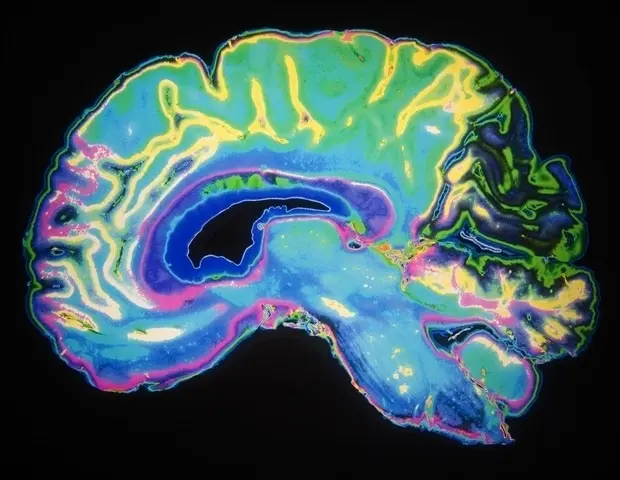
How Mindfulness Rewires Craving Circuits
Researchers at the Icahn School of Medicine at Mount Sinai completed a randomized clinical trial evaluating Mindfulness-Oriented Recovery Enhancement (MORE) for opioid use disorder. The study examined how this behavioral therapy, delivered alongside medication, alters brain activity when patients face drug-related cues and natural rewards.
Wellness insights
 Brain Scans Cannot Predict Emotion Regulation Ability
 Prefrontal Cortex Signals Do Not Forecast How People Control Their Emotions
 Carl Jung Warned: The People Who Hurt You Reveal More About Yourself Than You Realize
 Neurological Review Outlines Key Considerations for Gender Dysphoria Care
The trial enrolled individuals actively receiving medication-assisted treatment. Participants in the MORE group practiced structured mindfulness exercises designed to shift attention away from cravings. Brain imaging revealed measurable changes in how these patients processed drug cues compared to natural rewards.
The MORE program targets the brain’s reward and attention networks. By training patients to observe cravings without reacting, the therapy reduces the automatic pull of opioid cues. This approach complements medication by addressing the psychological component of addiction.
Does Mindfulness Outperform Standard Care?
Researchers measured brain responses before and after the intervention. Patients who completed MORE showed reduced activation in regions associated with craving intensity. Natural rewards became more salient, suggesting a rebalancing of the brain’s reward system.
The trial compared MORE plus medication against medication alone. Results indicated that the combined approach produced stronger changes in brain response patterns. This suggests mindfulness adds measurable value beyond pharmacological treatment.
Clinicians can integrate MORE into existing recovery programs. The therapy requires no special equipment and can be taught in group or individual sessions. Its non-invasive nature makes it accessible for patients already on medication.
Frequently Asked Questions
What is Mindfulness-Oriented Recovery Enhancement? MORE is a structured behavioral therapy that teaches patients to observe cravings non-reactively. It is delivered alongside standard medication treatment for opioid use disorder.
Can mindfulness replace medication for opioid addiction? No. The trial used MORE as an adjunct to medication, not a replacement. The combination produced the strongest brain changes.
How long does the MORE program last? The study protocol involved a defined course of mindfulness sessions integrated with ongoing medication management.