
Why Brain Scans Fall Short
A new meta-analysis of 40 fMRI datasets involving 2,175 participants has challenged a core assumption in affective neuroscience. Researchers from the international NIDER consortium found that prefrontal cortex activation does not reliably indicate how well an individual regulates emotions. The study was conducted across 32 research teams.
Wellness insights
 Mindfulness Therapy Reshapes Brain Response to Opioid Cravings
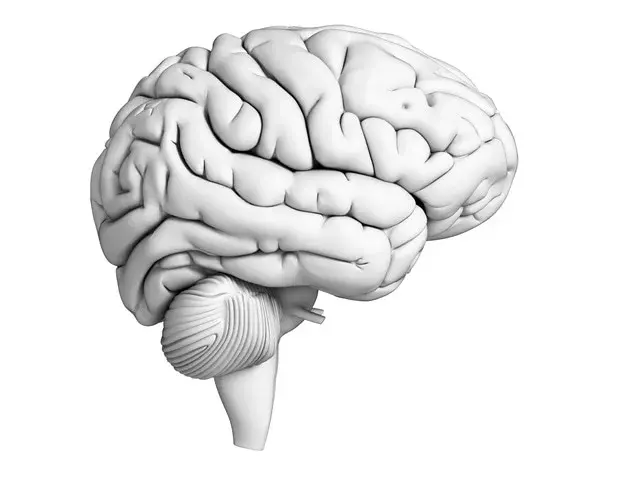 Prefrontal Cortex Signals Do Not Forecast How People Control Their Emotions
 Carl Jung Warned: The People Who Hurt You Reveal More About Yourself Than You Realize
 Neurological Review Outlines Key Considerations for Gender Dysphoria Care
The findings contradict decades of research linking brain activity to emotional control. Scientists previously believed that stronger prefrontal activation meant better regulation. This new evidence suggests the relationship is far weaker than assumed.
The study examined how the prefrontal cortex responds during emotional regulation tasks. Activation levels varied widely among participants. However, this variation did not correlate with actual regulatory performance. This means clinicians cannot use fMRI scans to diagnose emotional control deficits.
What Does This Mean for Patients?
The NIDER consortium combined data from multiple independent studies. This large sample size gives the results strong statistical power. The finding has implications for neurofeedback therapy and clinical assessment.
If brain scans cannot predict regulation ability, how should clinicians assess emotional control? The study suggests behavioral measures remain the gold standard. Patients may need more personalized approaches rather than one-size-fits-all neuroimaging.
Researchers emphasize that this does not invalidate fMRI entirely. It simply shows that prefrontal activation is not a reliable biomarker for emotion regulation. Future work will explore alternative neural indicators.
Frequently Asked Questions
Does this mean fMRI is useless for emotion research? No. fMRI remains valuable for mapping brain regions involved in emotion. The study specifically challenges its use as a predictive tool for individual regulation ability.
How many people were included in the study? The meta-analysis included 2,175 participants across 40 fMRI datasets from 32 research teams.
Will this change clinical practice? Yes. Clinicians should rely on behavioral assessments rather than brain scans to evaluate emotion regulation in patients.