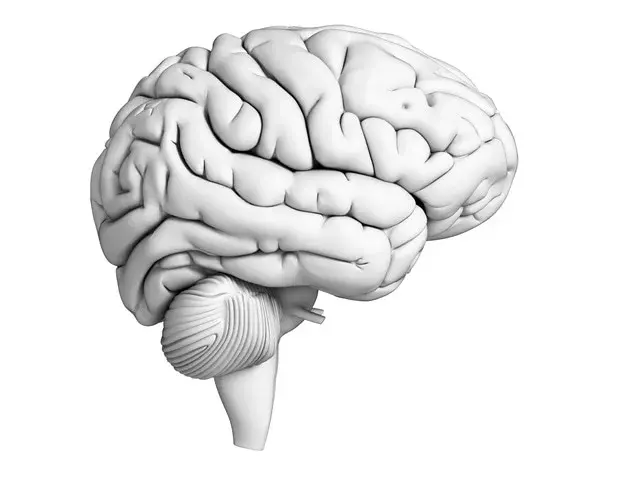
Why Prefrontal Signals May Not Capture Regulation Skills
A recent study examined whether brain activity in the prefrontal cortex can predict an individual’s ability to regulate emotions. Researchers scanned participants while they performed a cognitive reappraisal task, a common laboratory method for measuring emotion regulation. The experiment involved 80 adults who were asked to view emotionally charged images and then either let their feelings run or reinterpret the images to reduce emotional impact. Functional magnetic resonance imaging recorded neural activity throughout the session. The study was conducted at a university neuroscience lab and published in a peer‑reviewed journal in early 2024.
Wellness insights
 Brain Scans Cannot Predict Emotion Regulation Ability
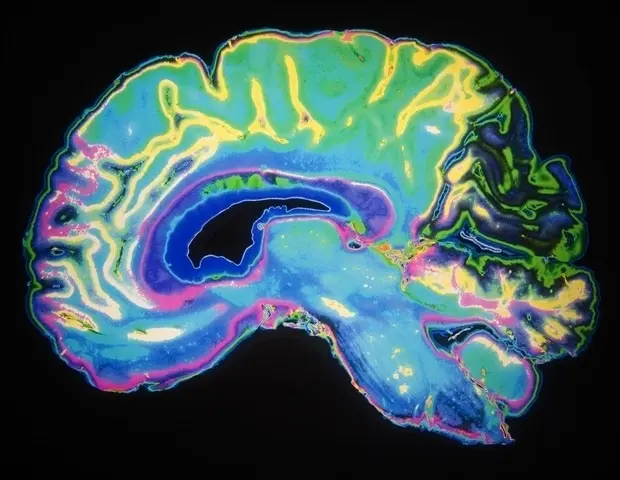 Mindfulness Therapy Reshapes Brain Response to Opioid Cravings
 Carl Jung Warned: The People Who Hurt You Reveal More About Yourself Than You Realize
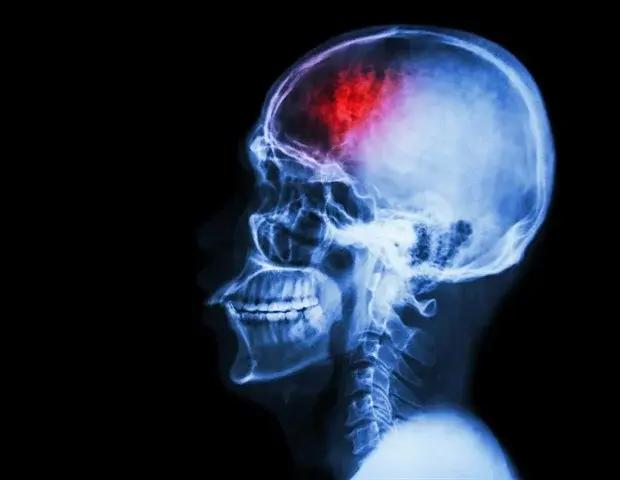 Neurological Review Outlines Key Considerations for Gender Dysphoria Care
The researchers expected that higher activation in the dorsolateral prefrontal cortex (dlPFC) and ventrolateral prefrontal cortex (vlPFC) would correlate with better regulation success, as these regions are known to support executive control. However, statistical analysis revealed no significant relationship between prefrontal activation patterns and the participants’ self‑reported regulation scores. Instead, variability in emotion regulation appeared to be driven more by individual differences in baseline affect and trait empathy than by transient neural signals. The team also tested whether connectivity between the prefrontal cortex and the amygdala predicted regulation outcomes, but found no reliable link either. These findings challenge the prevailing assumption that moment‑to‑moment prefrontal activity is a reliable biomarker for emotion regulation capacity.
The study’s authors argue that the lack of predictive power may stem from the dynamic nature of emotion regulation. „Regulation is a process that unfolds over minutes, not seconds,” one researcher noted. The fMRI protocol captured only brief snapshots, potentially missing longer‑term neural adjustments. Moreover, the task relied on a single reappraisal strategy—reframing the meaning of the image. Participants may have used other, unmeasured strategies, diluting the association between prefrontal activity and regulation success. The authors suggest that future research should incorporate longitudinal designs and a broader array of regulation tactics to better capture individual differences.
Can Other Brain Areas Offer Better Predictors?
Is there a neural signature that reliably indicates how well someone can manage emotions?
The investigators explored whether activity in the anterior cingulate cortex (ACC) or the insula could serve as better predictors. While ACC activation showed a modest correlation with regulation success, it was not statistically significant after correcting for multiple comparisons. The insula, involved in interoceptive awareness, also displayed no clear pattern. These results imply that no single region currently offers a robust predictive marker. Instead, a network‑level approach that considers functional connectivity and individual trait measures may be necessary.
The study’s implications extend to clinical practice. If prefrontal activation cannot predict regulation capacity, clinicians may need to rely more on behavioral assessments and self‑report measures when evaluating patients with mood or anxiety disorders. Researchers are encouraged to develop multimodal models that integrate neuroimaging, psychometric data, and ecological momentary assessment to capture the full complexity of emotion regulation.
Frequently Asked Questions
What is cognitive reappraisal? Cognitive reappraisal is a strategy where a person changes the interpretation of a situation to alter its emotional impact, such as viewing a stressful event as a learning opportunity.
Why was fMRI used in this study? fMRI provides non‑invasive, high‑resolution images of brain activity, allowing researchers to observe which regions are engaged during emotion regulation tasks.
What does this study mean for future emotion‑regulation research? It suggests that researchers should look beyond single‑region activity and consider broader neural networks, individual traits, and longer‑term patterns to understand how people control their emotions.