
Wealth Does Not Guarantee Psychological Stability
A massive international study involving 50,000 participants across 92 nations reveals a troubling decline in overall mental well-being. The data indicates that this downward trend is not limited to developing regions. Even the wealthiest countries are experiencing significant drops in psychological health scores among their populations.
Wellness insights
 Can AI Chatbots Replace Human Therapists?
 Narcissistic Abuse Doesn't End When the Relationship Ends
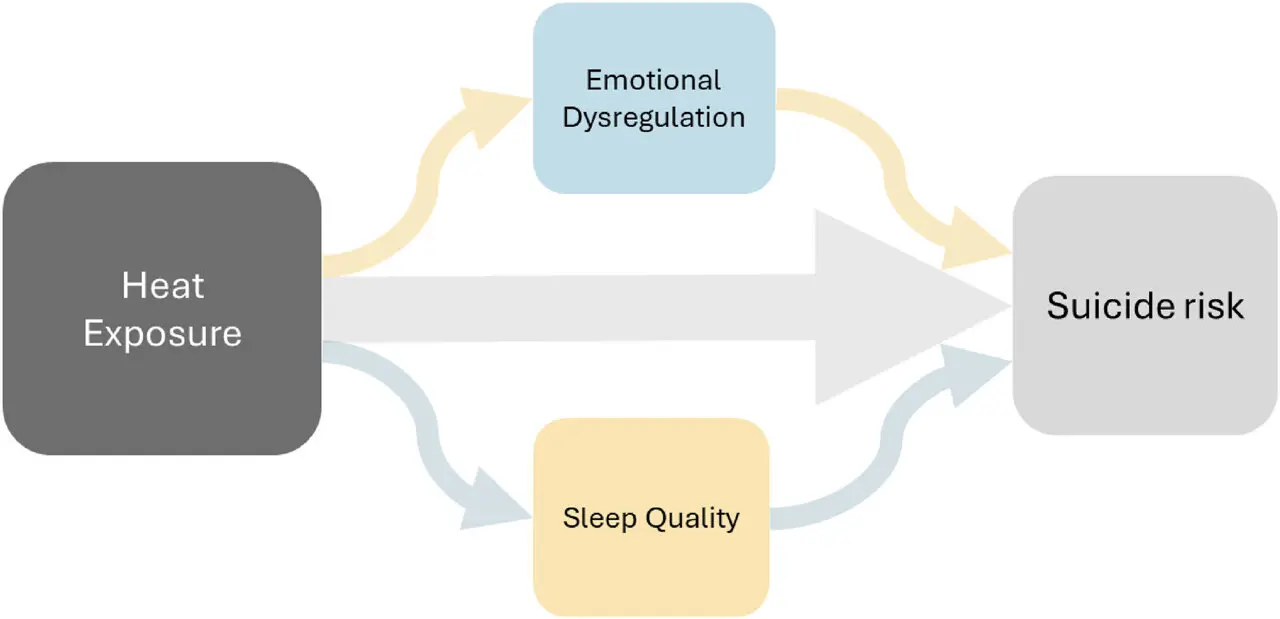 Scorching temperatures linked to higher suicide risk due to sleep loss
 Relationships face unique stressors during young adulthood
The research highlights a specific vulnerability among younger demographics. Historically, young people reported higher levels of mental stability than older generations. However, current findings show this pattern has reversed. Younger respondents are now dragging down the global average significantly. Their responses indicate a widespread lack of fundamental psychological security and stability.
The survey results challenge the assumption that economic prosperity directly correlates with better mental health outcomes. Wealthy nations, which typically have access to superior healthcare and social safety nets, are still seeing their citizens struggle. The decline is particularly stark when comparing current data with historical baselines from previous decades.
Participants across all income levels reported increased feelings of distress and anxiety. The data suggests that modern pressures are affecting people regardless of their financial status. This universal trend points to systemic issues rather than individual economic failure. The survey captured a broad spectrum of human experience, from high-income urban centers to lower-income rural areas.
Why Are Younger Generations Struggling More?
The primary driver of the declining scores appears to be the specific responses from younger cohorts. These individuals report feeling less secure and more unstable than their predecessors. The study notes that this group lacks fundamental mental health markers that were once common.
Experts suggest that rapid social change and digital connectivity may play a role. However, the survey primarily focuses on the statistical shift in reported well-being. The gap between young and old respondents is widening. This divergence suggests that the challenges facing today's youth are distinct from those of the past.
The implications of these findings are profound for public health policy. Governments and healthcare providers may need to rethink their approaches to mental health support. The data calls for targeted interventions aimed at younger populations specifically. Without action, the global average may continue to fall.
Frequently Asked Questions
The outlook remains cautious as the trend shows no immediate signs of reversal. Policymakers must address the root causes of this decline. The survey serves as a wake-up call for international health organizations. Future studies will need to track whether these levels stabilize or worsen.
How many people participated in this global survey? The study included 50,000 individuals. These participants were recruited from 92 different countries around the world.
Which age group showed the most significant decline? Younger people reported the lowest levels of mental well-being. This group is currently dragging down the overall global average.
Did wealthy countries perform better in the survey? No, wealthy nations also experienced declines in mental health scores. Economic wealth did not prevent the downward trend in psychological stability.