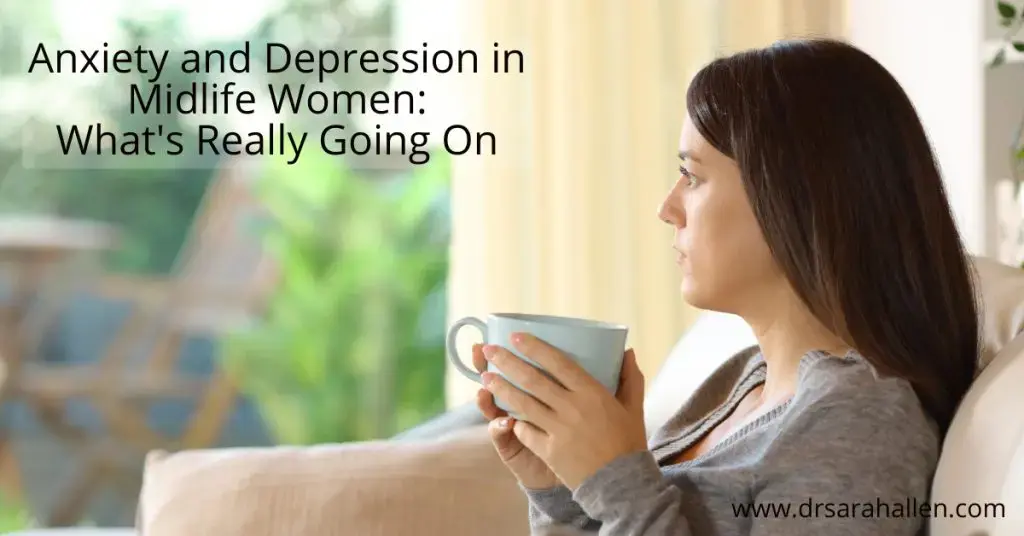
Why the Invisible Struggle Persists
Thousands of women in their forties, fifties, and early sixties report feeling mentally heavier than anticipated during this life stage. Clinical practitioners observe a rising trend where anxiety and depression coexist, often masking themselves behind a functional exterior. These individuals frequently appear successful and stable to friends and family, yet struggle internally with persistent low mood and heightened worry. The disconnect between public perception and private reality creates significant confusion for those affected.
Wellness insights
 Depression vs. Anxiety vs. Burnout: How to Tell the Difference and Get the Right Support
 Loneliness in Motherhood: When to Seek Postpartum Therapy
 How Childhood Chaos Shapes Adult Anxiety and Stress
 Postpartum OCD and Intrusive Thoughts: What Helps and When to Get Support
Many women cannot easily identify the root cause of their distress. External circumstances may seem manageable, but internal emotional states remain turbulent. This phenomenon is more prevalent among midlife women than commonly acknowledged. The cumulative stress of career demands, parenting responsibilities, and aging parents contributes to this burden. Hormonal shifts associated with perimenopause and menopause further complicate mental health stability. Neurotransmitter changes can lower resilience against stress, making daily challenges feel overwhelming.
Is It All in Their Heads?
The lack of clear external triggers makes diagnosis difficult. Patients often describe a vague sense of wrongness rather than specific events causing pain. Healthcare providers may overlook these symptoms if physical tests return normal results. Consequently, women spend years managing symptoms without addressing underlying biological or psychological factors. Social expectations to maintain composure discourage open discussion about mental fragility. This silence isolates individuals, reinforcing the belief that their struggles are personal failures rather than common medical experiences.
No, the physiological changes accompanying midlife play a critical role. Estrogen fluctuations impact serotonin and dopamine levels, which regulate mood and anxiety. Sleep disturbances become more frequent, exacerbating cognitive fatigue and emotional reactivity. While genetics and history matter, the hormonal landscape of midlife acts as a catalyst. Understanding this biological component helps validate patient experiences. It shifts the narrative from personal weakness to a predictable developmental phase requiring specific management strategies.
Frequently Asked Questions
Does menopause directly cause depression? Hormonal changes do not cause depression in isolation, but they significantly increase vulnerability. Fluctuating estrogen levels affect brain chemistry, lowering the threshold for depressive episodes. Combined with life stressors, these biological shifts create a high-risk window for mental health issues.
Can therapy help with midlife anxiety? Yes, cognitive behavioral therapy shows strong efficacy for this demographic. It helps patients identify distorted thought patterns and develop coping mechanisms. Combining therapy with lifestyle adjustments or medication yields the best long-term outcomes for most women.