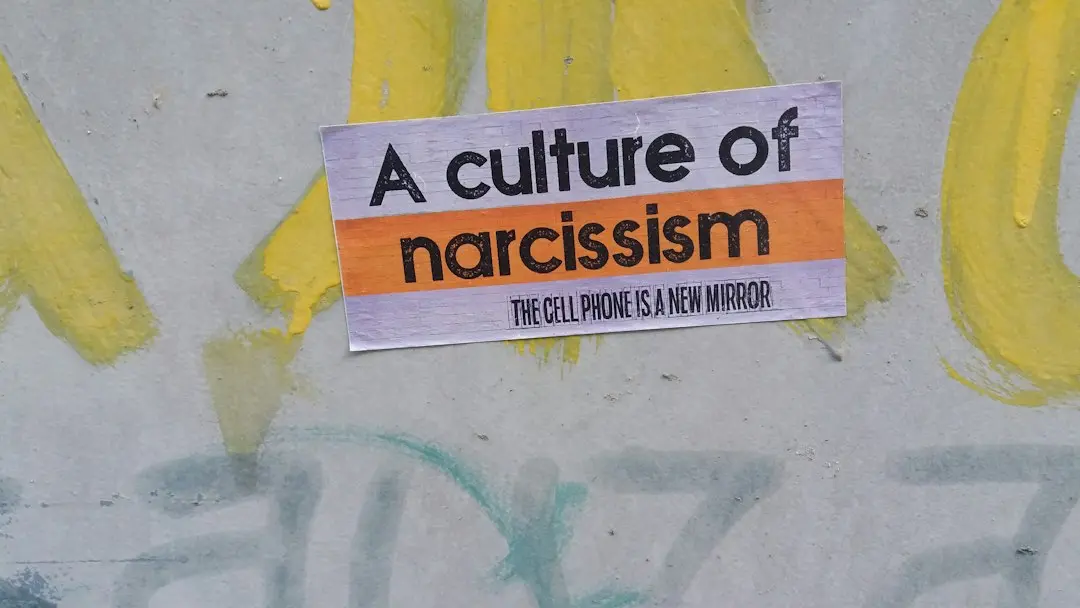
Why the Pain Outlasts the Relationship
The relationship may end, but the psychological scars often persist long after the final goodbye. Many survivors report that the emotional manipulation does not stop at the breakup. Instead, it continues to shape their self-perception and daily functioning. This invisible aftermath requires active recovery.
Wellness insights
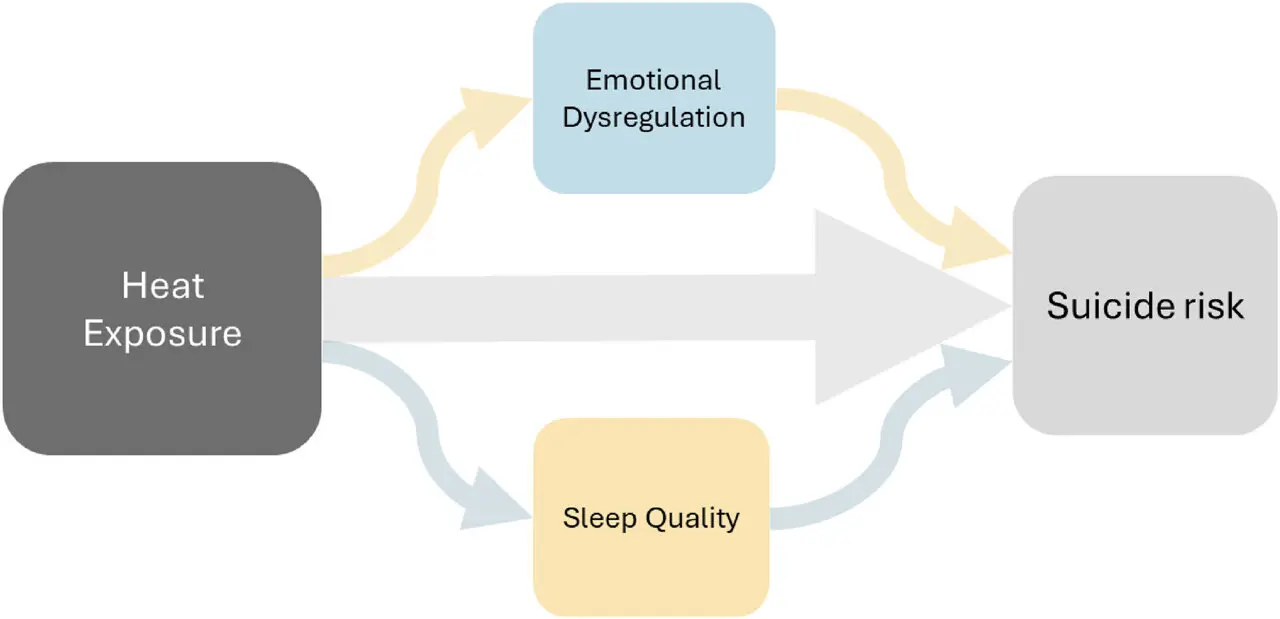 Scorching temperatures linked to higher suicide risk due to sleep loss
 Relationships face unique stressors during young adulthood
 Earthquake aftermath reveals hidden mental health struggles in young survivors
 Dark Traits and Flawed Logic Drive Antisocial Behavior
The core issue is self-abandonment. Survivors often internalize the critic that was embedded in them during the abusive relationship. They begin to doubt their own memories, feelings, and reality. This is not a sign of weakness. It is a predictable response to sustained emotional manipulation.
The mind keeps replaying interactions with the narcissistic partner. Intrusive thoughts about the relationship become a constant background noise. Survivors report difficulty concentrating, sleeping, or trusting new people. The body also holds the stress, leading to fatigue and physical symptoms.
Can You Truly Move On From Narcissistic Abuse?
Recovery is not linear. It involves rebuilding a stable sense of self. This includes setting boundaries, rebuilding trust, and learning to distinguish their own emotions from the partner's. Many find support through therapy, peer groups, and structured self-care routines.
Yes, but it takes time and consistent effort. The journey back to trusting others and yourself is a process, not a single event. Survivors who engage in active recovery report significant improvement in self-esteem and relational health. The key is recognizing that the abuse did not define them.
The long-term outlook is positive for those who commit to healing. With the right support, survivors can rebuild a life free from the invisible weight of emotional manipulation. The relationship ended, but reclaiming yourself is the real work that follows.
Frequently Asked Questions
Does narcissistic abuse affect physical health? Yes. Chronic stress from emotional manipulation can lead to fatigue, sleep disruption, and immune system weakening. Addressing the psychological impact often improves physical symptoms.
How long does recovery from narcissistic abuse typically take? Recovery timelines vary widely. Some survivors see improvement within months, while others take over a year. Consistent therapy and self-care accelerate the process.
Is it normal to still feel the abuse after the relationship ends? Absolutely. The invisible aftermath is a common experience. Recognizing this as a normal part of healing reduces self-blame and encourages active recovery.