Tourism pressure and landscape change
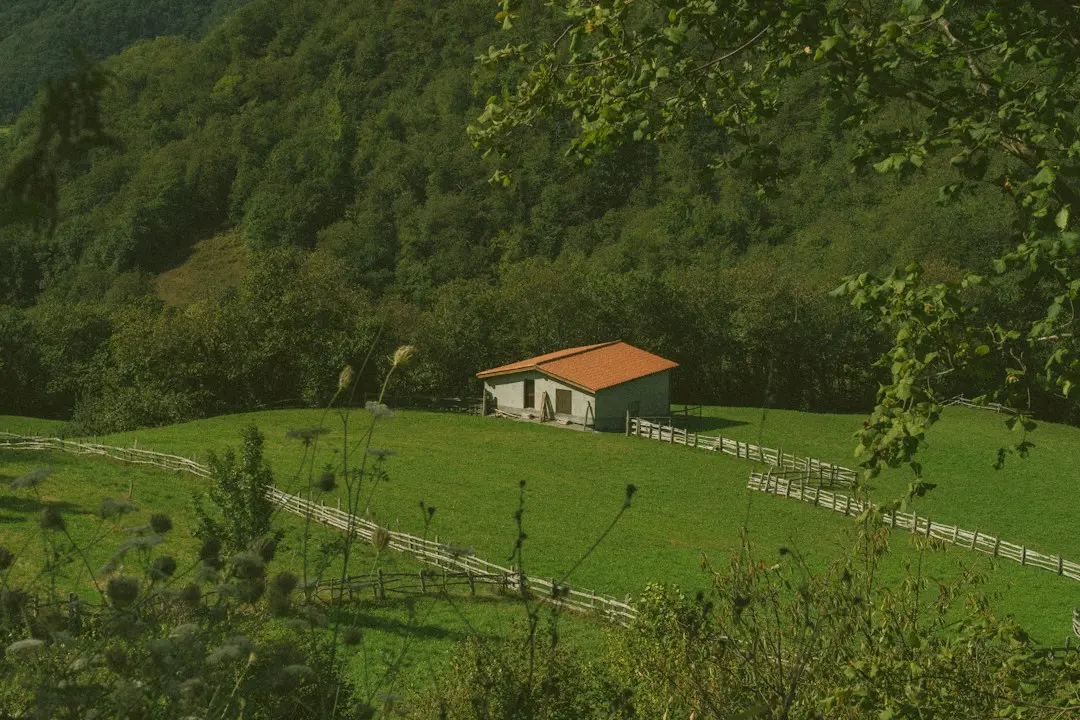
Researchers investigated how the preservation of indigenous environmental design in rural China influences residents’ psychological well-being. Modernization and tourism have altered these traditional settings. The study provides new empirical data on this link.
Wellness insights
 ISAF-DCD: A Stress Adaptation Framework for Developmental Coordination Disorder
 Half of Distressed Adults Turn to AI for Emotional Support
 Brain Scans Cannot Predict Emotion Regulation Ability
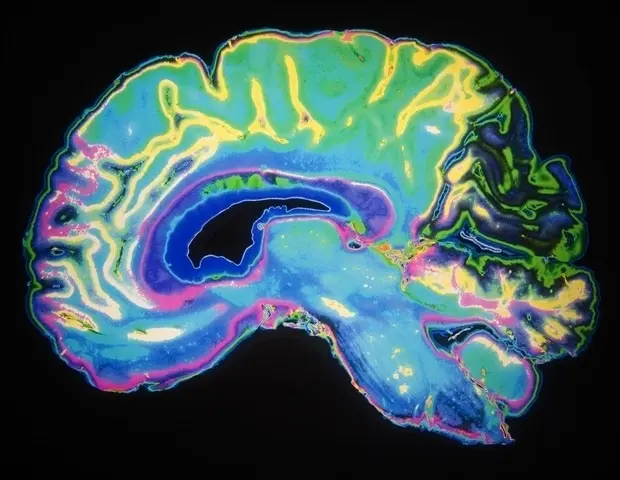 Mindfulness Therapy Reshapes Brain Response to Opioid Cravings
Cultural landscape fidelity refers to how closely a community maintains its original environmental character. When these landscapes change, residents may experience stress or loss. The research team developed a model connecting physical environment to mental health outcomes.
How does landscape fidelity affect mental health?
Tourism development brings economic benefits but also disrupts local traditions. Ecological shifts further modify the natural setting. Residents often feel disconnected from their heritage. This disconnection can lead to anxiety and reduced life satisfaction. The study highlights the need to balance development with cultural preservation.
Higher fidelity to traditional environmental design correlates with better psychological well-being. Communities that retain their cultural landscapes report lower stress levels. Those experiencing rapid change show higher rates of anxiety. The findings suggest that protecting these spaces supports mental health.
Policy implications and future directions
Local governments should integrate cultural landscape protection into urban planning. Tourism operators need guidelines to minimize disruption. Future research should track long-term mental health trends. Collaboration between ecologists and psychologists will deepen understanding.
What is cultural landscape fidelity? It measures how closely a rural area preserves its original environmental design. Higher fidelity indicates stronger cultural continuity.
Frequently Asked Questions
Why does this matter for mental health? Familiar, stable environments reduce cognitive load and stress. Disruption can trigger feelings of loss and anxiety.
What should policymakers do? They should protect traditional landscapes from excessive tourism and modernization. This supports both cultural identity and resident well-being.