
Why People Prefer AI Over Human Therapists
A new survey from Tel-Hai University of Kiryat Shmona finds that nearly half of adults experiencing psychological distress use general-purpose AI chatbots for therapy-like support. The study, published in Cyberpsychology, Behavior, and Social Networking, highlights a growing trend where people treat AI as informal mental health companions.
Wellness insights
 Brain Scans Cannot Predict Emotion Regulation Ability
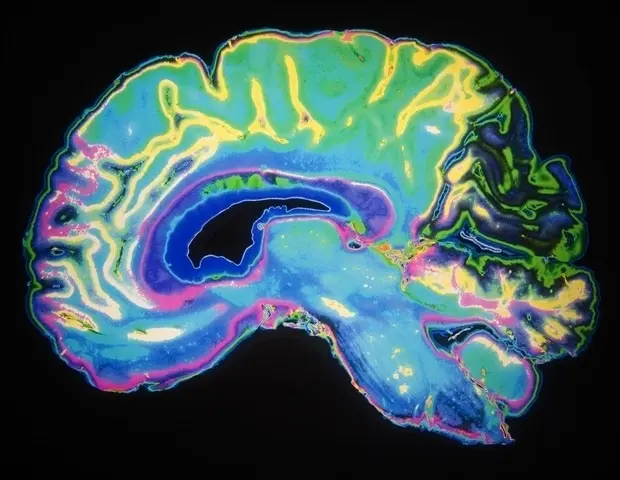 Mindfulness Therapy Reshapes Brain Response to Opioid Cravings
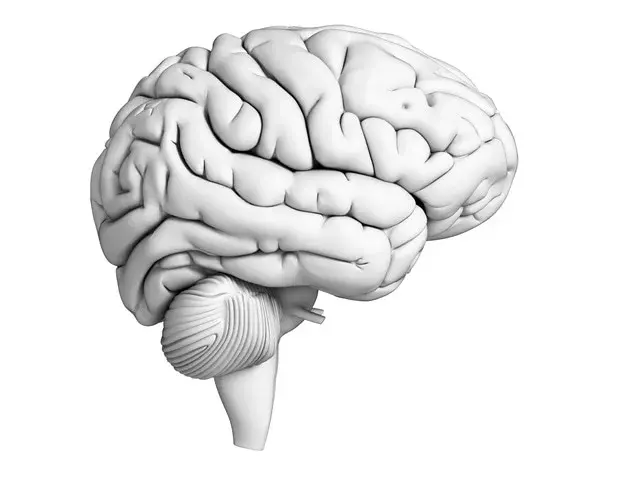 Prefrontal Cortex Signals Do Not Forecast How People Control Their Emotions
 Carl Jung Warned: The People Who Hurt You Reveal More About Yourself Than You Realize
The research focused on Israeli adults who use tools like ChatGPT and Gemini. Researchers discovered that almost one in three users rely on these platforms for coping advice, emotional venting, or mental health guidance. This pattern suggests AI is filling a gap in accessible mental health resources.
Is This Trend Here to Stay?
Many users report feeling more comfortable sharing sensitive thoughts with a bot than with a human professional. AI offers 24/7 availability without the stigma or scheduling barriers of traditional therapy. The study notes that users often seek validation, structured advice, or simply a non-judgmental listening ear.
The findings indicate that AI-assisted mental health support is likely to expand as trust in these tools grows. However, experts caution that AI should complement, not replace, professional care. As adoption rises, researchers call for clearer guidelines on how to use chatbots responsibly for emotional support.
How many adults use AI for therapy? Nearly half of distressed adults in the study reported using AI for emotional support. The survey specifically measured reliance on general-purpose generative AI tools.
Frequently Asked Questions
Which AI platforms are most used? ChatGPT and Gemini were the primary platforms cited by participants. These tools were used for coping advice and mental health assistance.
Does AI replace human therapists? No. The study positions AI as an informal supplement. Experts emphasize that professional therapy remains the gold standard for clinical treatment.