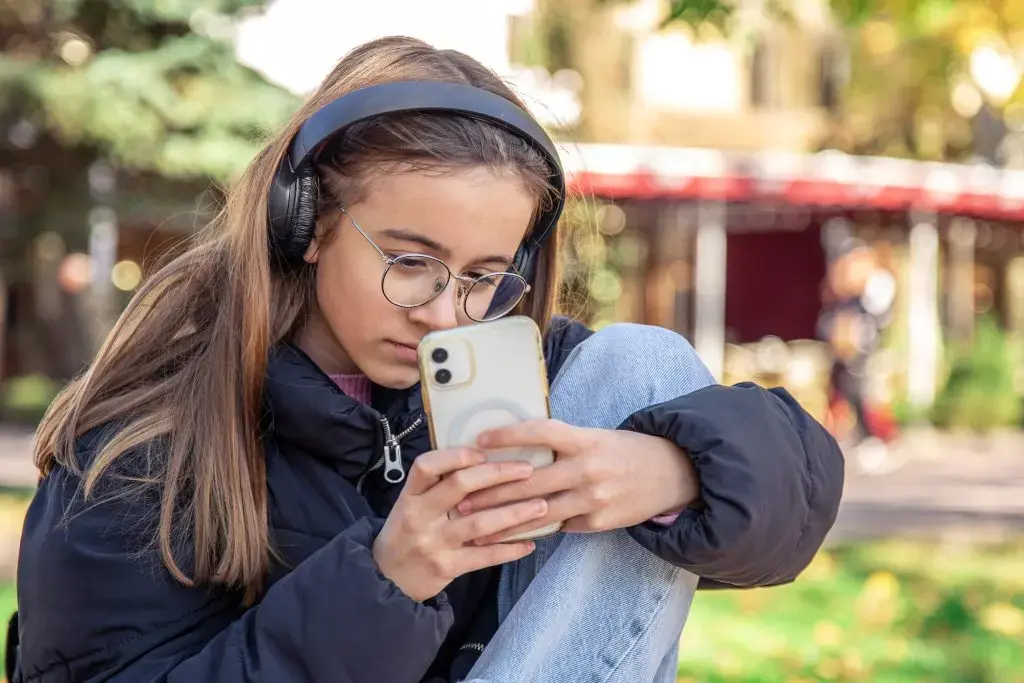
Normalising Mental Health Conversations
People's experiences with social media are multifaceted, being both supportive and overwhelming, empowering and uncertain. Online interactions can significantly influence mental health. The relationship between social media and mental wellbeing is complex.
Wellness insights
 Simple Workplace Activities Can Boost Mental Health and Employee Wellbeing
 Virtual Reality Redefines Brain Training Through Immersive Feedback
 Light weightlifting boosts mood in anxious young women
 How Anxiety and Face Gender Shape Emotional Processing in Children
Social media's role in mental health is more nuanced than being simply beneficial or detrimental. While online content can be misleading, contradictory, and voluminous, users are not merely passive recipients. They actively engage with and interpret the information they consume.
Can Social Media Truly Support Mental Health?
Repeated exposure to open discussions about mental health on social media can help normalise these conversations. This increased visibility can encourage individuals to share their experiences and seek support. As a result, social media can foster a sense of community among users who may feel isolated or stigmatised.
The online environment allows people to connect with others who understand their struggles, providing a support network that may not be available in their immediate surroundings. However, the sheer volume of content can be overwhelming, making it challenging for users to discern helpful information from misinformation.
Frequently Asked Questions
The key to social media's positive influence on mental health lies in its ability to facilitate connections and provide accessible resources. Users must be able to navigate the online landscape effectively, critically evaluating the information they encounter. By doing so, they can harness the benefits of social media while minimising its risks.
Ultimately, the impact of social media on mental health depends on how individuals use these platforms and the measures taken to ensure a safe and supportive online environment. As social media continues to evolve, its potential to support mental health will be shaped by the interactions between users, content creators, and platform developers.