The Power of Emotional Memory
Many people experience their most cringe-worthy memories replaying in their minds. This often happens late at night, long after the event occurred. Scientists are now exploring the neurological reasons behind this phenomenon. It appears to be a complex interplay of emotional memory and evolutionary survival mechanisms.
Wellness insights
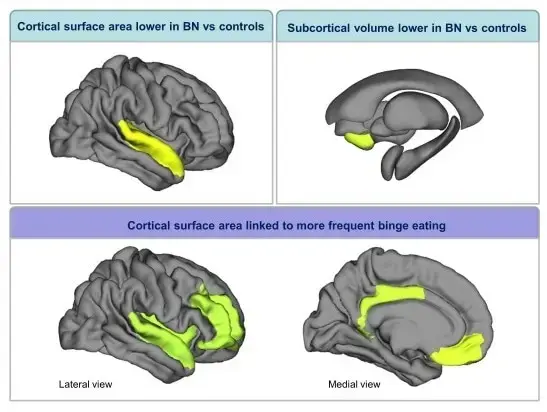 Largest Neuroimaging Study Reveals Brain Structure Changes in Bulimia Nervosa
 Simple Daily Habits to Support Mental Wellness in Recovery
 Mankeeping: Measuring the Hidden Emotional Labor Women Do for Partners’ Social Lives
 Navigating Careers in Professional Counseling Specializations
This internal midnight theaterscreens our past mistakes repeatedly. It can feel like a torment, but there's a scientific basis for it. Our brains are wired to prioritize negative experiences.
Why Does Our Brain Focus on the Bad?
Emotional memories are incredibly strong. They are processed in areas of the brain linked to survival. An embarrassing moment triggers a stress response. This response helps to engrave the memory deeply. The brain essentially flags these events as important to avoid in the future.
This strong encoding means the memory is easily recalled. It can resurface even years later with vivid detail. The emotional intensity makes it stick. Our brains want us to learn from these uncomfortable situations.
# Why do these memories often appear at night?
This tendency is known as the negativity bias. Humans are more sensitive to negative stimuli than positive ones. From an evolutionary standpoint, this makes sense. Remembering dangers and mistakes was crucial for survival. Forgetting a positive experience might be disappointing, but forgetting a threat could be deadly.
So, while a joyful memory might fade, a humiliating one persists. It's the brain's way of trying to protect us. It wants us to analyze what went wrong. This analysis helps us adapt our behavior for future social interactions. The brain is constantly running simulations to prevent similar outcomes.
# Is there a way to stop these replays?
The relentless replay can be frustrating. However, it highlights the brain's incredible capacity for learning. It's a built-in feedback system, albeit an uncomfortable one. Understanding this process can help us manage these intrusive thoughts.
At night, distractions are fewer, and our minds are less occupied. This allows intrusive thoughts and emotional memories to surface more easily.
# Is this a sign of a mental health issue?
While difficult, mindfulness and reframing can help. Acknowledging the memory without judgment can reduce its power. Focusing on lessons learned can also be beneficial.
Occasional replays are normal. If they become constant, severely impact daily life, or cause significant distress, it may be helpful to speak with a mental health professional.