Social Cognition and Aggression in Psychosis
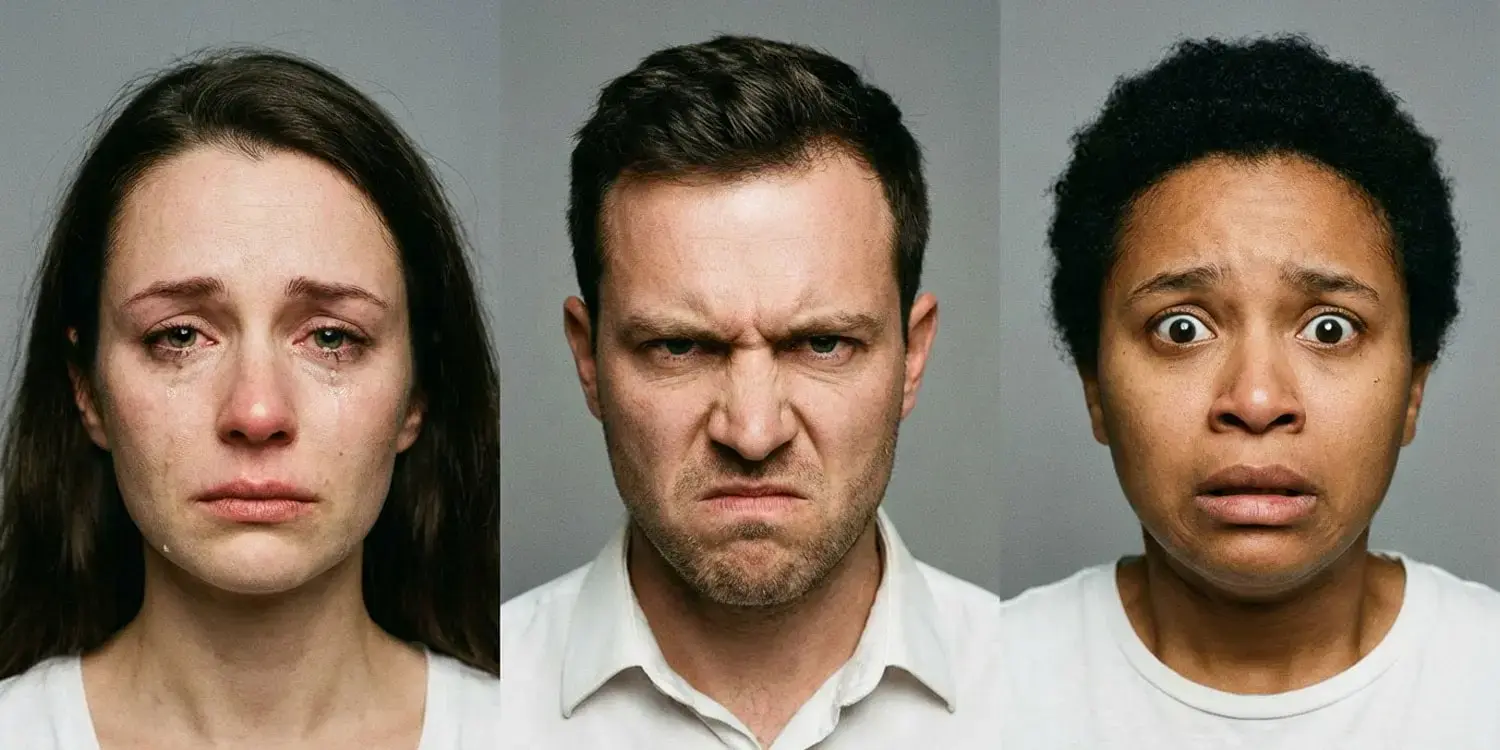
A Swedish research team examined how people with psychotic spectrum disorders (PSDs) recognize emotions in others. The study compared 120 PSD patients with 120 healthy controls. Researchers found that PSD patients were significantly less accurate at identifying facial expressions of happiness, sadness, anger, and fear. Among those with PSD, participants who had a history of interpersonal aggression performed even worse than those without such a record.
Wellness insights
 Brain Wiring Explains Why Trauma Victims Struggle To Find Joy
 Healing Journey: A Therapist Reflects on Processing Deep Childhood Trauma
 Forest walks boost mood through sound and biodiversity awareness
 What Counselling in Two Different Countries Taught Me: Hansel Wong on Connection, Curiosity, and Culture
The researchers used a standardized emotion‑recognition test that presented brief photographs of faces displaying six basic emotions. Participants indicated the emotion they saw. Accuracy scores were calculated and compared across groups. The study suggests that deficits in social cognition may underlie the aggressive behavior seen in some patients with psychotic disorders.
# Is Emotion‑Recognition Therapy a Viable Solution?
The link between emotion recognition and aggression is not new. When individuals cannot read emotional cues, misunderstandings can lead to conflict. In this study, PSD patients with aggressive histories scored 30% lower on the emotion test than non‑aggressive PSD patients. The researchers believe that impaired perception of others’ feelings may increase frustration and misinterpretation of social situations, triggering aggressive responses.
The data also revealed that the most pronounced deficits occurred in recognizing anger and fear. These emotions are critical for navigating potentially threatening interactions. If a person cannot detect subtle signs of hostility, they may fail to adjust their behavior appropriately, escalating tensions.
The authors suggest that targeted interventions could help. Cognitive‑behavioral programs that focus on emotion‑recognition training have shown promise in other psychiatric populations. By practicing with facial expression exercises, patients may improve their social perception skills. However, the study did not test any intervention, so further research is needed to confirm effectiveness.
Implications for Care and Policy
If such training proves beneficial, it could reduce aggressive incidents in clinical settings and improve patients’ social functioning. Early identification of emotion‑recognition deficits might also guide personalized treatment plans, potentially lowering the risk of violence.
The findings highlight a critical area for mental‑health services. Clinicians should assess social cognition routinely, especially in patients with a history of aggression. Integrating emotion‑recognition training into standard care could help mitigate risks and enhance quality of life. Policymakers might consider funding research into social cognition interventions and ensuring that mental‑health facilities have the resources to implement them.
What is a psychotic spectrum disorder? Psychotic spectrum disorders encompass conditions such as schizophrenia, schizoaffective disorder, and brief psychotic episodes, characterized by hallucinations, delusions, and disordered thinking.
# Frequently Asked Questions
How does impaired emotion recognition affect daily life? It can lead to misunderstandings, social isolation, and increased frustration, potentially escalating to conflict or aggression.
Can these deficits be measured easily in a clinical setting? Yes, brief standardized tests using facial expression images can assess emotion‑recognition accuracy and help identify patients who may benefit from targeted interventions.