Understanding Ketone Production
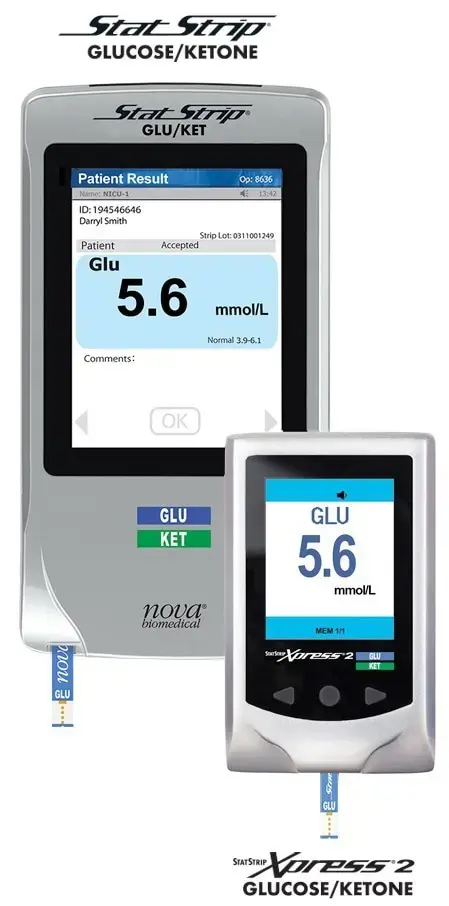
When cells can't access glucose for energy, the body turns to alternative fuels like fat, producing ketones that accumulate in blood and urine. Dr. Marcin Pacek, Senior Director of Medical & Scientific Affairs at Nova Biomedical, shares insights on ketones. This shift occurs in various physiological states.
Wellness insights
 Simple Workplace Activities Can Boost Mental Health and Employee Wellbeing
 Virtual Reality Redefines Brain Training Through Immersive Feedback
 Light weightlifting boosts mood in anxious young women
 How Anxiety and Face Gender Shape Emotional Processing in Children
The body's inability to utilize glucose as a primary energy source triggers a metabolic response, resulting in the production of ketones. This process is a natural adaptation to different conditions, such as fasting or a low-carb diet. As ketones build up, they can be measured in blood and urine to assess metabolic states.
Ketone production is a complex process involving the breakdown of fatty acids in the liver. Dr. Pacek explains that this process is crucial for providing energy to vital organs, such as the brain, when glucose is scarce. The liver converts fatty acids into ketone bodies, which are then released into the bloodstream.
Can Ketones Be a Diagnostic Tool?
Elevated ketone levels can be indicative of various health conditions, including diabetic ketoacidosis, a life-threatening complication of diabetes. Monitoring ketone levels can help healthcare professionals diagnose and manage these conditions more effectively. By understanding ketone production and its implications, clinicians can make more informed decisions.
The ability to measure and interpret ketone levels accurately has significant implications for patient care. As research continues to uncover the role of ketones in different physiological and pathological states, the clinical significance of ketone measurement is likely to grow.
Frequently Asked Questions
What is diabetic ketoacidosis? Diabetic ketoacidosis is a serious complication of diabetes that occurs when the body produces high levels of ketones. It requires immediate medical attention.
How are ketone levels measured? Ketone levels can be measured in blood and urine using various testing methods.
What are the implications of elevated ketone levels? Elevated ketone levels can indicate various health conditions, including diabetic ketoacidosis, and require prompt medical evaluation.