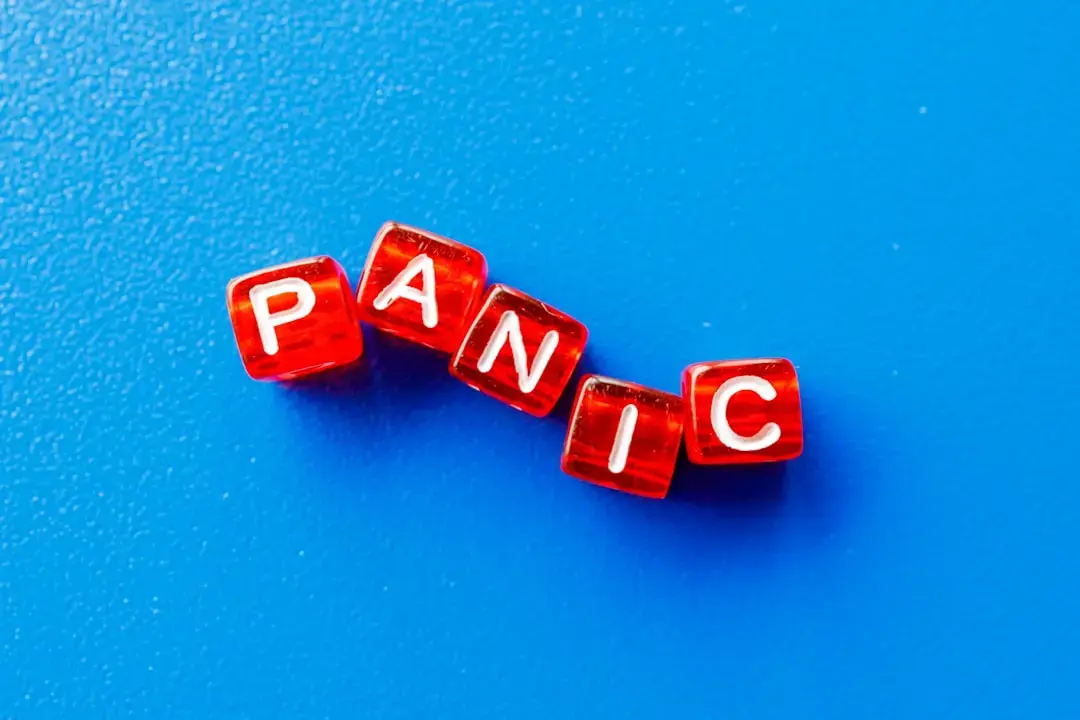
Understanding the Sudden Onset of Panic
Panic disorder manifests as intense, unexpected surges of fear. These episodes can strike anyone, anywhere, at any time. Sufferers often describe a terrifying feeling of losing control or impending doom.
Wellness insights
 Mental Health Toll of Debt Collection Stress
 Stronger Than You Think: Rethinking Resilience in the Face of Trauma
 Seated Exercise Sessions Boost Well‑Being in Jersey
 Crisis in Mental Health Care for At-Risk Youth
These attacks are characterized by a sudden onset of severe physical and psychological symptoms. The experience can be profoundly disorienting and frightening for those affected.
Imagine a scenario where you are simply going about your day. Perhaps you are relaxing at home or shopping in a busy marketplace. Suddenly, your heart begins to pound uncontrollably. Your chest tightens, making it difficult to draw a full breath.
What Triggers These Frightening Episodes?
A profound sense of terror washes over you. Many people experiencing a panic attack believe they are having a heart attack. Others fear they are about to die or are losing their mind. These feelings are incredibly real and distressing to the individual. Yet, medical examinations typically show no underlying physical cause for these symptoms. The heart, for instance, is often found to be perfectly healthy. This disconnect between intense symptoms and a lack of physical illness is a hallmark of panic disorder.
While the exact cause of panic disorder is complex, it often involves a combination of genetic predisposition, brain chemistry, and environmental factors. Stress, major life changes, and even certain medical conditions can sometimes contribute to their development. However, the defining characteristic is their unprovoked nature. They can occur without any apparent external trigger, making them particularly unsettling. The unpredictability of these attacks significantly impacts a person's quality of life, leading to avoidance behaviors and a constant fear of future episodes.
Living with panic disorder can be debilitating, affecting daily routines and social interactions. However, effective treatments, including therapy and medication, are available. These interventions help individuals manage their symptoms and regain control over their lives.
Frequently Asked Questions
What does a panic attack feel like? A panic attack often feels like a sudden, overwhelming wave of fear. Symptoms include a racing heart, chest pain, shortness of breath, dizziness, sweating, and a feeling of unreality or detachment.
Can panic attacks be dangerous? While panic attacks are intensely frightening and uncomfortable, they are not physically dangerous. They do not cause heart attacks or lead to death, despite the strong sensation that they might.
How long do panic attacks usually last? Panic attacks typically peak within 10 minutes, though the lingering effects of anxiety and exhaustion can last much longer. The intense fear subsides relatively quickly.