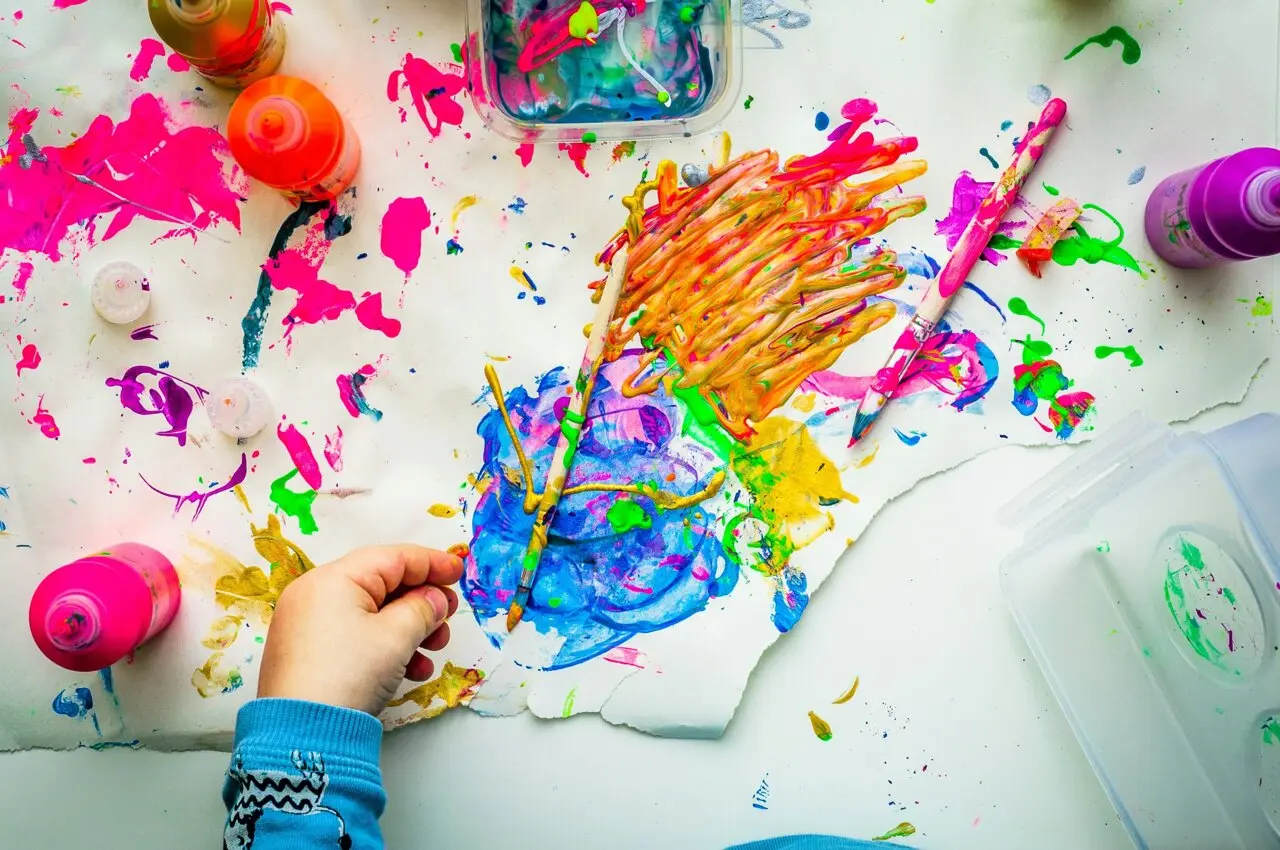
The twin design allowed the team to control for shared genetics
A new twin study from the Max Planck Institute for Empirical Aesthetics finds that artistic creativity is associated with poorer mental health. The research, led by researchers at the institute, used data from twins to separate genetic from environmental influences. The study focused on how different types of creativity relate to psychological well-being. Artistic creativity showed a clear negative link with mental health outcomes. Scientific creativity did not show the same pattern. This distinction is a key finding of the work. Artistic vs. Scientific Creativity The researchers measured both artistic and scientific creativity in their twin sample. Artistic creativity, which involves imagination and emotional expression, correlated with higher rates of mental health difficulties. Scientific creativity, which involves logical problem-solving and analytical thinking, showed no such correlation. This suggests the link is specific to the artistic domain rather than creativity in general.
Wellness insights
 The Silent Burden of Mental Health
 Wrist Monitors Reveal Neurotic Adults Sleep More Than They Think
 Couples often struggle when one partner demands continued dialogue while the other needs silence
 Pandemic Stress Linked to Alcohol and Mental Health Shifts
The twin design allowed the team to control for shared genetics. By comparing identical twins, they could isolate the environmental component of the association. The findings challenge earlier studies that treated creativity as a single trait. Does Artistic Creativity Cause Mental Health Problems? The study does not prove causation. It shows a statistical association between artistic creativity and mental health challenges. The twin methodology helps rule out simple genetic explanations. Environmental factors, such as the demands of an artistic lifestyle, may play a role. Researchers note that the link is not universal. Not every artist experiences mental health issues. The association is probabilistic, not deterministic. This nuance is important for interpreting the results. Frequently Asked Questions Does this mean all artists have mental health problems? No. The study shows a statistical link, not a guarantee. Many artists are mentally healthy. The finding indicates higher risk, not certainty.
Why did scientific creativity not show the same link? Scientific creativity relies on structured thinking and problem-solving. It may involve less emotional intensity than artistic work. This difference could explain why the mental health association appears only in the artistic domain.