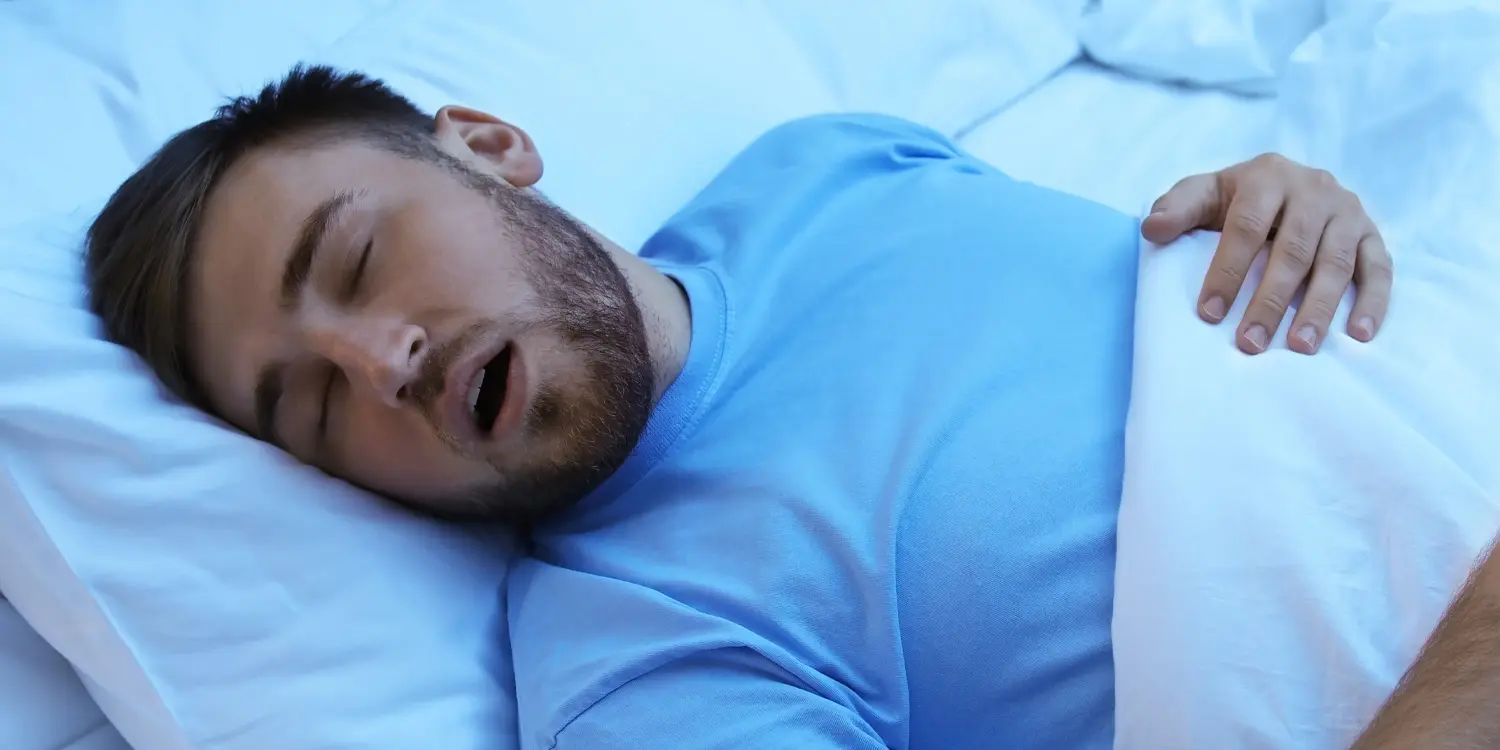
When Perception Meets the Wristband
A new study published in Personality and Individual Differences found that young adults with high neuroticism report shorter sleep durations, but objective wrist-worn monitors show no such reduction. Neuroticism describes a personality pattern marked by frequent worry, anxiety, and emotional distress.
Wellness insights
 Couples often struggle when one partner demands continued dialogue while the other needs silence
 Pandemic Stress Linked to Alcohol and Mental Health Shifts
 Turkey's Youth and the Risks of Excessive Internet Use
 Five Admin Tasks Draining Therapist Time
Participants completed standard questionnaires measuring neuroticism and self-reported sleep habits. Researchers then fitted them with wrist-worn sleep monitors that track movement and heart rate to estimate actual sleep time. The data showed a clear gap: high-neuroticism participants believed they slept less, yet the devices recorded no meaningful difference in total sleep duration. This suggests that emotional distress skews how people perceive their own rest, rather than reflecting a true biological deficit.
Does Worry Distort Sleep Perception?
The study highlights a critical distinction between subjective reports and objective measurement. People prone to negative emotions may overestimate how little they sleep, possibly because anxiety makes sleep feel fragmented or insufficient even when total time is normal. This perception gap matters for clinical assessments, where self-reported sleep data could mislead practitioners about a patient's actual rest quality.
What is neuroticism? Neuroticism is a personality trait linked to heightened sensitivity to negative emotions, including worry, distress, and emotional instability.
Frequently Asked Questions
Why do high-neuroticism people think they sleep less? Emotional distress likely makes sleep feel poor or interrupted, creating a perception of short sleep even when objective monitoring shows normal duration.
What does this mean for sleep clinics? Clinicians should combine self-reports with objective monitoring, since anxious individuals may overstate sleep problems based on perception rather than actual sleep time.