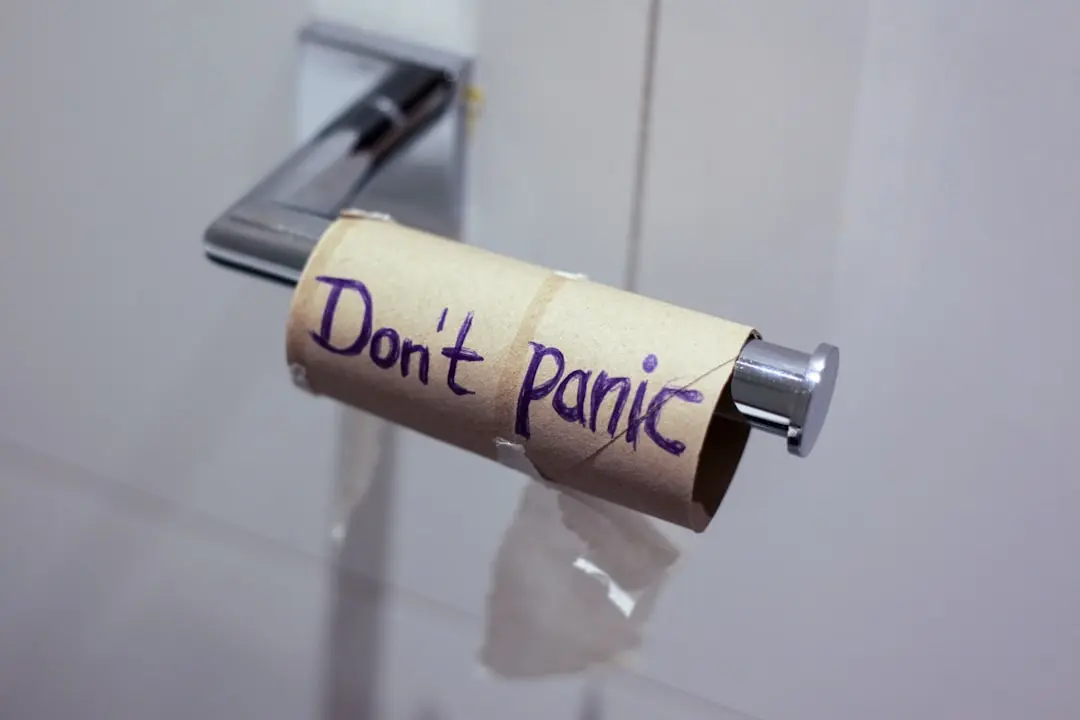
The Anatomy of a Panic Attack
It was a typical Tuesday when Meeta Bakshi's life took a dramatic turn. She was standing in a crowded area when suddenly, her heart began racing, her breath quickened, and her mind went blank. Bakshi had no idea what was happening to her - she was having a panic attack in public.
Wellness insights
 Brain Wiring Explains Why Trauma Victims Struggle To Find Joy
 Healing Journey: A Therapist Reflects on Processing Deep Childhood Trauma
 Forest walks boost mood through sound and biodiversity awareness
 What Counselling in Two Different Countries Taught Me: Hansel Wong on Connection, Curiosity, and Culture
Can We Control Our Panic Response?
Bakshi's experience is not unique. Panic attacks affect millions of people worldwide, causing intense fear and discomfort. But what happens in the brain during a panic attack? Research suggests that it's a complex interplay of neurotransmitters, hormones, and brain regions. When we perceive a threat, our brain's amygdala sends a distress signal, triggering the release of stress hormones like adrenaline and cortisol. These hormones prepare our body for the fight or flightresponse, causing our heart to pound, our breath to quicken, and our senses to become heightened.
What triggers a panic attack?
So, is there a way to control our panic response? Bakshi's experience suggests that understanding what happens in the brain during a panic attack can be a powerful tool. By recognizing the physical symptoms and learning relaxation techniques, individuals can reduce their anxiety levels and regain control. This knowledge can also help to reduce the stigma associated with mental health conditions like anxiety disorders.
A panic attack can be triggered by a variety of factors, including stress, anxiety, and certain medical conditions. In some cases, there may be no apparent trigger.
How can I manage a panic attack?
Managing a panic attack requires a combination of relaxation techniques, such as deep breathing and progressive muscle relaxation, and cognitive strategies, like reframing negative thoughts.
Can panic attacks be treated?
Yes, panic attacks can be treated with therapy, medication, or a combination of both. Cognitive-behavioral therapy (CBT) is a common approach, which helps individuals identify and change negative thought patterns.