
DanceSport Boosts Mental Well‑Being for Chronic Disease Patients
A systematic review published in 2026 examined how dance competitions, or DanceSport, affect the mental health of people living with long‑term illnesses. Resear
A systematic review published in 2026 examined how dance competitions, or DanceSport, affect the mental health of people living with long‑term illnesses. Resear

Training future healthcare professionals imposes major clinical challenges on students before they have developed reliable recovery and adaptation mechanisms. T

Mental health experts reveal that counting the hours teenagers spend online misses the bigger picture. Researchers found that user behavior and emotional reacti

A new scientific study reveals that both psilocybin and conventional antidepressant medications successfully decrease the human brain's natural inclination towa

A recent psychological investigation reveals that individuals excessively absorbed in vivid internal fantasies frequently struggle with compulsive internet habi

Researchers have found that psychopathy, Machiavellianism, and narcissism each connect differently to insecure attachment styles in adults, revealing nuanced li

Sarah-Fish, known as Dizzy, survived a turbulent childhood marked by repeated psychiatric ward admissions and abandonment before transforming her harrowing expe

New therapeutic approaches are helping mothers navigate the distressing reality of postpartum intrusive thoughts. Many women experience sudden, unwanted mental

Stress is a common part of daily life, arising from work pressures, relationship challenges, financial worries, family duties, and sudden changes. These factors

Scientists have found that removing a key protein called NSF from dopamine D2 receptor-expressing neurons in the striatum leads to ADHD-like symptoms in mice, i
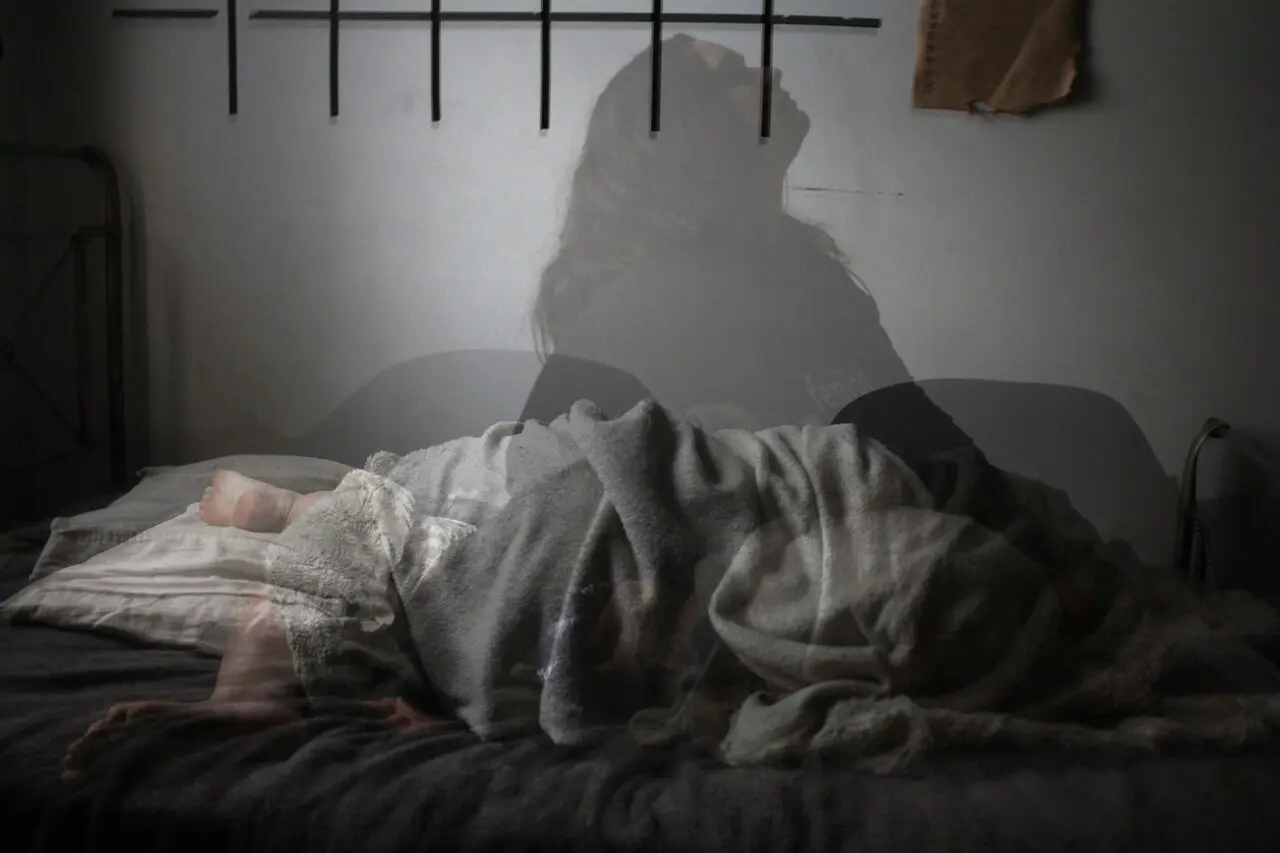
Researchers at Fujita Health University have identified a link between exposure to light during the night and disrupted sleep patterns in individuals diagnosed
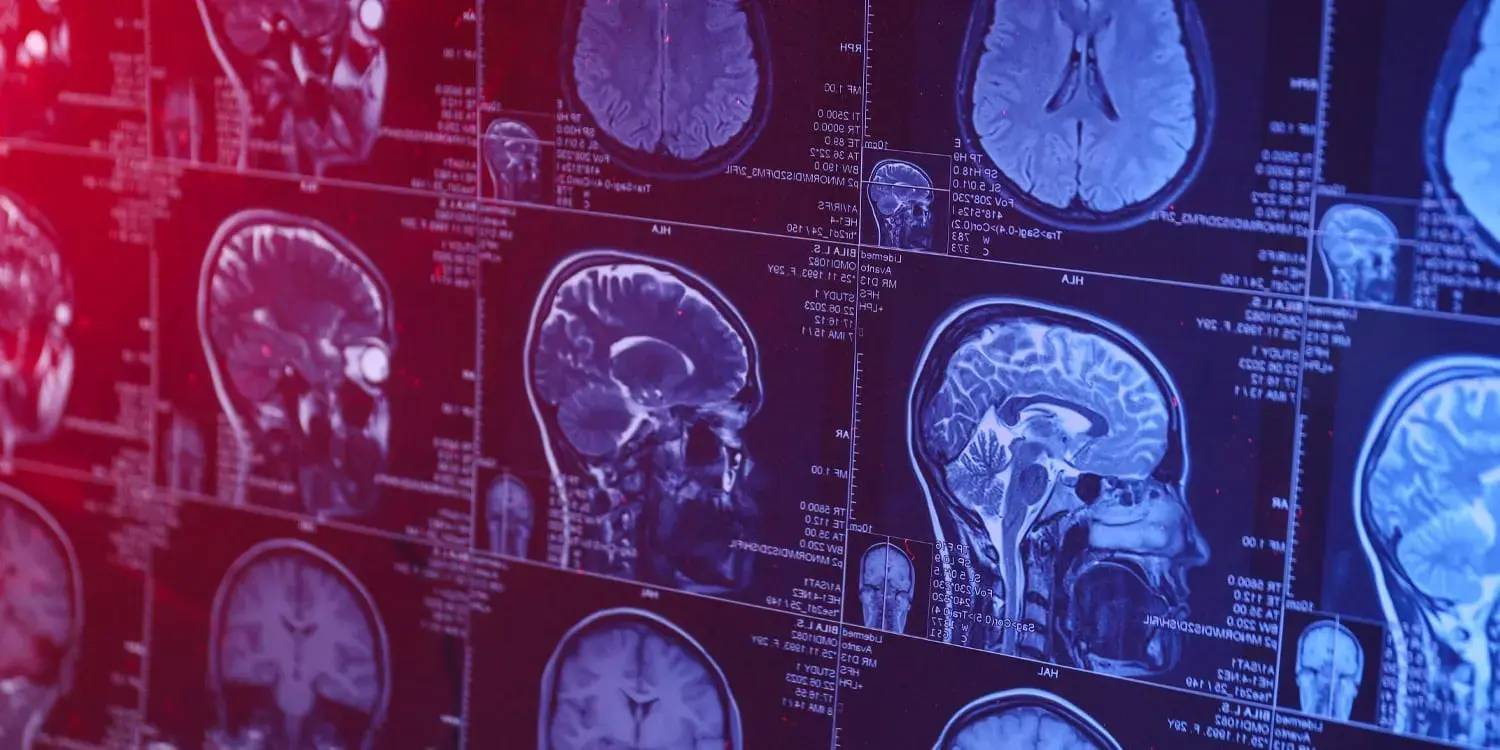
A sweeping analysis of nearly 8,700 brain scans has found that subtle structural differences in the brains of people taking antidepressants are primarily linked