How Ambient Light Interferes With Recovery
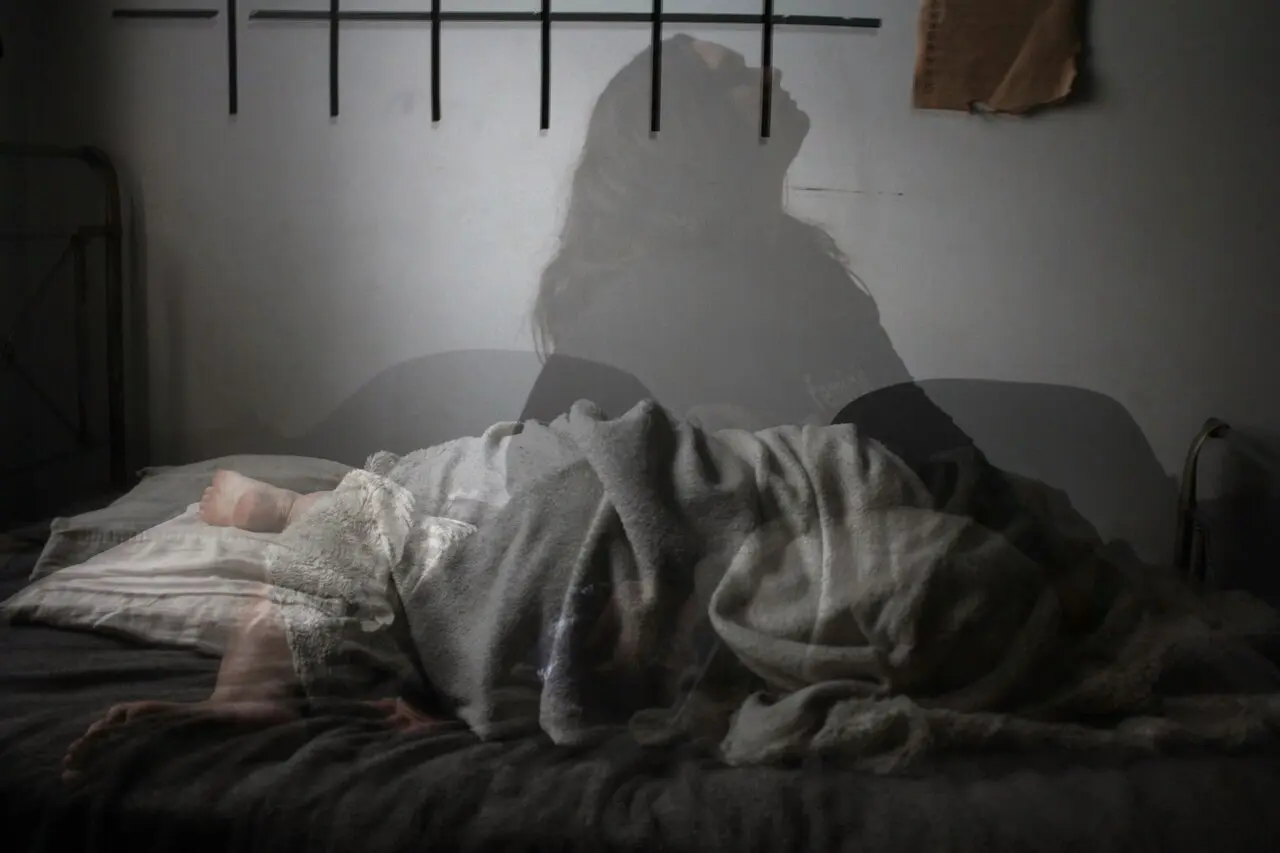
Researchers at Fujita Health University have identified a link between exposure to light during the night and disrupted sleep patterns in individuals diagnosed with schizophrenia. This finding highlights a critical environmental factor that may exacerbate existing sleep disturbances in this vulnerable population. The study focuses on how ambient light interferes with the biological mechanisms necessary for restful sleep.
Wellness insights
 Do antidepressants actually alter brain structure? A massive neuroscience study weighs in
 Largest Neuroimaging Study Reveals Brain Structure Changes in Bulimia Nervosa
 Simple Daily Habits to Support Mental Wellness in Recovery
 Mankeeping: Measuring the Hidden Emotional Labor Women Do for Partners’ Social Lives
Sleep difficulties are a pervasive issue among people living with schizophrenia. These disruptions often lead to a significant decline in overall quality of life. Poor sleep can intensify psychiatric symptoms and impair cognitive abilities. It also affects daily functioning, making routine tasks more challenging for patients. Understanding the role of light exposure offers a new avenue for improving sleep hygiene in this group.
Why This Discovery Matters For Treatment
The human body relies on specific light cues to regulate its internal clock. Exposure to light at night can confuse these signals, leading to fragmented sleep. For those with schizophrenia, this disruption is particularly damaging. The condition already alters normal sleep architecture, and additional stressors like light exposure compound the problem. Researchers suggest that minimizing nighttime light could help stabilize sleep cycles. This approach aligns with broader efforts to manage non-pharmacological factors in mental health care. By addressing environmental triggers, clinicians might offer practical tools for patients to improve their rest.
Current treatments for schizophrenia often focus heavily on medication management. However, lifestyle factors play a crucial role in symptom control. This research underscores the need for holistic care strategies. Patients and caregivers can take simple steps to reduce light exposure during sleep hours. Using blackout curtains or wearing eye masks are effective methods. These changes require minimal cost and effort but yield potential benefits. The study encourages healthcare providers to discuss sleep environments with their patients. It moves beyond clinical settings into the home environment where recovery actually happens.
Does light exposure only affect people with schizophrenia? While light affects everyone, the study specifically highlights its impact on those with schizophrenia. Their sleep systems are already compromised, making them more sensitive to environmental disruptions.
Frequently Asked Questions
Can simple changes at home improve sleep quality? Yes, reducing artificial light sources in the bedroom can help. Using dimmer switches or blocking external light may support better sleep continuity for affected individuals.
Is this a new treatment method for schizophrenia? It is not a standalone treatment but a supportive measure. Combining light management with standard medical care may enhance overall outcomes and daily functioning.