
Navigating the Psychiatric Machinery
Sarah-Fish, known as Dizzy, survived a turbulent childhood marked by repeated psychiatric ward admissions and abandonment before transforming her harrowing experience with schizophrenia into a career as a behavioral pattern researcher, defying a medical system that primarily sought to sedate her into silence.
Wellness insights
 Breaking the Silence Around Postpartum Intrusive Thoughts
 Managing Stress Without Turning to Substances
 Disruption of Striatal D2 Receptor Neurons Drives ADHD and Impulsivity
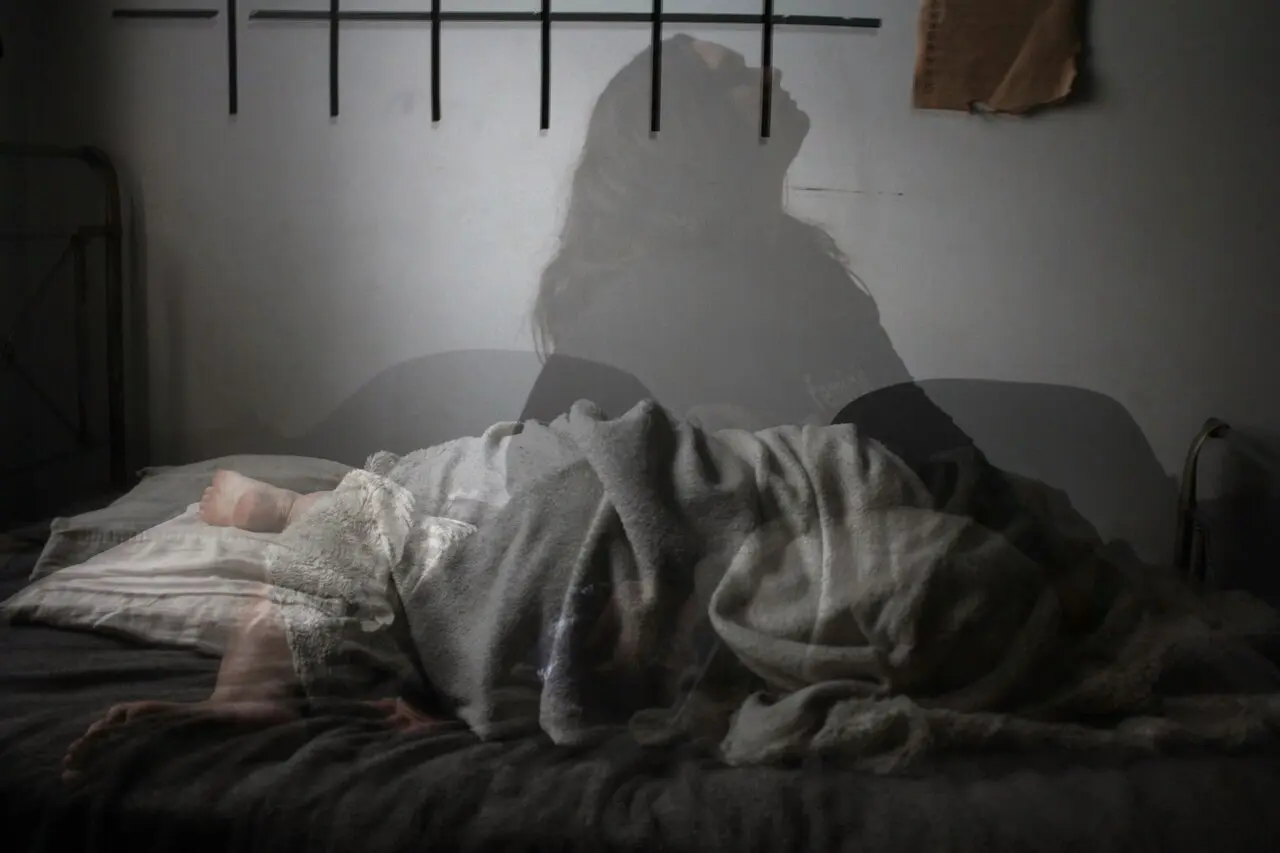 Nighttime Light May Worsen Sleep for Those With Schizophrenia
Growing up navigating psychiatric institutions before being forced out on her own at a young age, the author faced an aggressive medical approach focused heavily on heavy sedation. Instead of accepting the standard clinical narrative, she developed a sharp analytical eye for human behavior, ultimately using her survival of severe mental illness to understand complex psychological patterns.
The traditional mental health framework often relies on chemical restraint rather than listening to the lived experiences of patients. For individuals dealing with profound psychosis, the prescribed path usually involves confinement and high doses of medication designed to dull perception.
Can Trauma Fuel Scientific Insight?
This approach rarely accounts for the hidden logic behind behavioral anomalies. By refusing to let the fog of heavy sedation completely erase her cognitive faculties, the author began observing the mechanics of her own mind and the institutional environment surrounding her.
Turning personal anguish into professional research requires an uncommon level of resilience and detachment. The transition from a vulnerable patient trapped in a restrictive system to an independent analyst of human behavior challenges traditional boundaries between the observer and the observed.
Frequently Asked Questions
Ultimately, this journey underscores a profound failure in standard mental health care while highlighting the extraordinary capacity of individuals to reclaim their minds. By charting behavioral patterns from the inside out, she carved a path toward genuine understanding far beyond the clinical walls.
What was the main approach of the mental health system she encountered? The system primarily relied on heavy sedation and institutional confinement during her childhood rather than addressing her underlying experiences constructively.
How did her survival shape her career? Surviving severe psychiatric struggles and early abandonment allowed her to transition into a behavioral pattern researcher, using her unique perspective to analyze human actions.