
How Striatal Circuits Influence Impulse Control
Scientists have found that removing a key protein called NSF from dopamine D2 receptor-expressing neurons in the striatum leads to ADHD-like symptoms in mice, including hyperactivity and impulsivity. The study, conducted in laboratory mice, showed that this genetic manipulation caused shrinkage of the striatum, a brain region involved in movement and behavior control, and resulted in severe dopamine depletion. These changes were linked to behaviors resembling attention deficit hyperactivity disorder, offering new insight into the biological roots of the condition.
Wellness insights
 Nighttime Light May Worsen Sleep for Those With Schizophrenia
 Do antidepressants actually alter brain structure? A massive neuroscience study weighs in
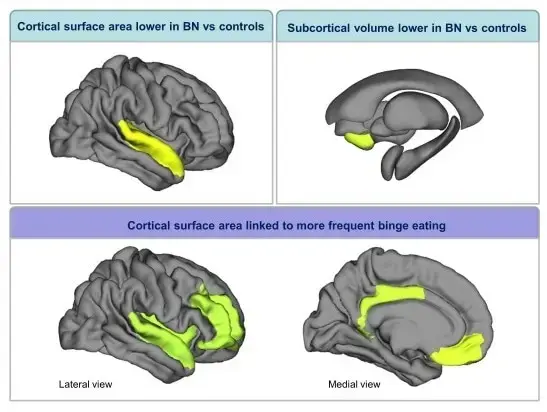 Largest Neuroimaging Study Reveals Brain Structure Changes in Bulimia Nervosa
 Simple Daily Habits to Support Mental Wellness in Recovery
The researchers targeted NSF, a protein essential for membrane fusion and neurotransmitter release, specifically in D2R neurons. When NSF was deleted, dopamine signaling in the striatum collapsed, disrupting normal brain communication. Although methylphenidate, a common ADHD medication, did not fully reverse symptoms on its own, combining it with a D2 receptor agonist produced a significant improvement in behavior. This suggests that both dopamine replenishment and direct receptor activation may be needed to address the underlying circuit dysfunction.
The striatum plays a central role in regulating actions through dopamine-dependent pathways, particularly those involving D2 receptors, which help suppress unwanted behaviors. By impairing NSF function in these neurons, the study disrupted the ability of D2R cells to release dopamine properly, weakening inhibitory control. This led to increased motor activity and impulsive responses in behavioral tests, mirroring core symptoms of ADHD. The findings highlight that ADHD may not only involve prefrontal cortex dysfunction but also deficits in deep brain circuits that modulate dopamine flow.
Can Combining Treatments Improve Outcomes?
When methylphenidate was given alone, it failed to normalize behavior in the mice with NSF deletion, likely because the drug relies on functional dopamine release mechanisms that were broken. However, adding a D2 receptor agonist— which directly stimulates the receptors—restored some balance to the signaling system. This combination approach improved hyperactivity and impulsivity, pointing to a potential strategy for treating ADHD cases where standard stimulants are less effective. The results imply that targeting both presynaptic dopamine release and postsynaptic receptor function could enhance therapeutic response.
The study advances understanding of how specific disruptions in striatal dopamine signaling contribute to neurodevelopmental disorders. By identifying a molecular mechanism—NSF loss in D2R neurons—that replicates key ADHD features and responds to combined pharmacotherapy, the research opens doors to more precise treatments. Future work will explore whether similar mechanisms exist in humans and whether combination therapies could benefit patients who do not respond well to current medications.
Frequently Asked Questions
What is NSF and why is it important in dopamine neurons? NSF is a protein that helps recycle vesicles needed for releasing neurotransmitters like dopamine; without it, neurons cannot sustain proper signaling.
Why did methylphenidate fail alone in the mouse model? Methylphenidate works by increasing dopamine availability, but it requires functional release machinery, which was impaired when NSF was deleted.
Could combining stimulants with D2 agonists help people with ADHD? The findings suggest this combination may be effective in cases where standard treatments are insufficient, though human studies are needed to confirm this approach.