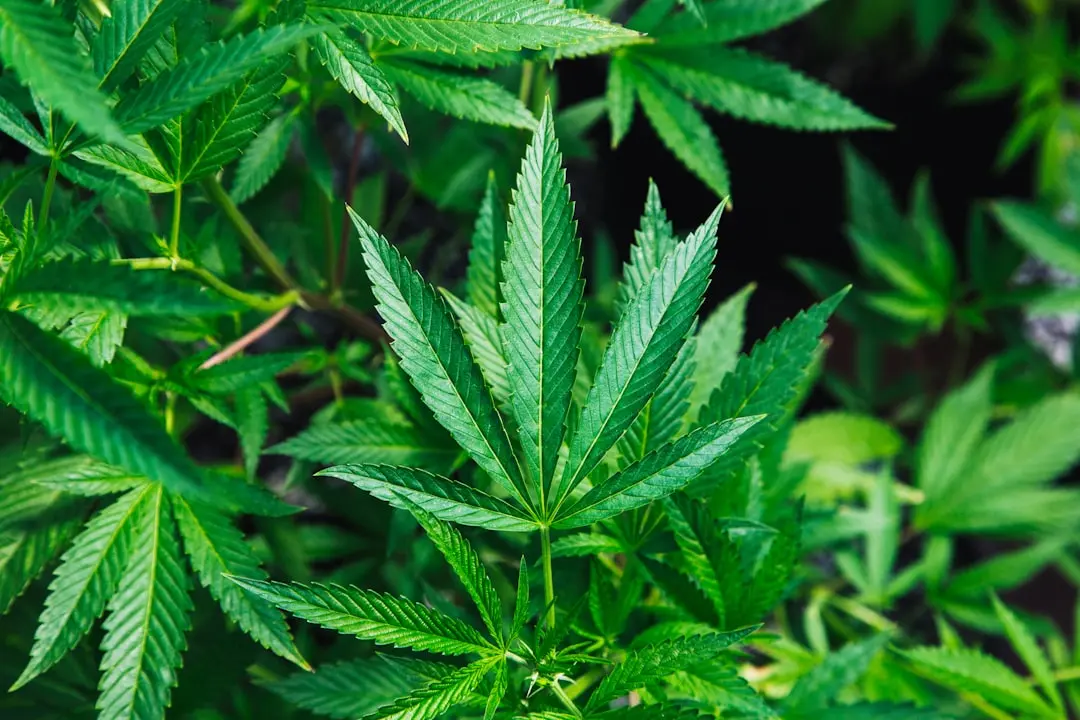
How THC Affects the Developing Brain
Research indicates that cannabis consumption during teenage years may interfere with the ongoing development of key cognitive functions. A critical period of brain maturation occurs in adolescence, during which abilities such as attention, memory, and executive function continue to refine. Studies suggest that regular cannabis use during this phase could disrupt the natural pace of this neurological development, potentially leading to delays in cognitive maturation.
Wellness insights
 Brain Wiring Explains Why Trauma Victims Struggle To Find Joy
 Healing Journey: A Therapist Reflects on Processing Deep Childhood Trauma
 Forest walks boost mood through sound and biodiversity awareness
 What Counselling in Two Different Countries Taught Me: Hansel Wong on Connection, Curiosity, and Culture
The primary psychoactive compound in cannabis, delta-9-tetrahydrocannabinol (THC), interacts with the endocannabinoid system, which plays a vital role in brain development. During adolescence, the prefrontal cortex — responsible for decision-making and impulse control — undergoes significant restructuring. Exposure to THC may alter synaptic pruning and neural connectivity in this region, processes essential for healthy cognitive growth. Animal and human imaging studies have shown associations between frequent teen cannabis use and changes in brain structure and function, particularly in areas linked to learning and self-regulation.
What Are the Long-Term Risks for Teen Users?
Evidence points to potential lasting effects, including reduced performance on tasks requiring focus, problem-solving, and information processing. Some research links heavy adolescent cannabis use to lower educational attainment and increased risk of mental health concerns, though causality remains complex and influenced by genetic, environmental, and social factors. Not all teens who use cannabis experience these outcomes, but the developing brain appears especially vulnerable to external influences during this sensitive window.
Does occasional cannabis use in teens pose the same risks as regular use? Current evidence suggests that frequency and duration of use matter, with regular or heavy use showing stronger associations with cognitive effects. Occasional use carries lower risk, but any exposure during brain development warrants caution due to individual variability in sensitivity.
Frequently Asked Questions
Can the brain recover from cannabis-related changes during adolescence? The brain retains plasticity, and some studies indicate partial recovery of function after cessation, especially if use stops early. However, the extent and timing of recovery depend on factors like duration of use, genetics, and overall health, and full normalization is not guaranteed.
Is there a safe age to begin cannabis use to avoid cognitive impacts? While brain development continues into the mid-20s, the most sensitive period for cognitive maturation peaks in adolescence. Delaying use until after this phase may reduce potential interference with neurodevelopment, though abstinence remains the lowest-risk option for cognitive health.