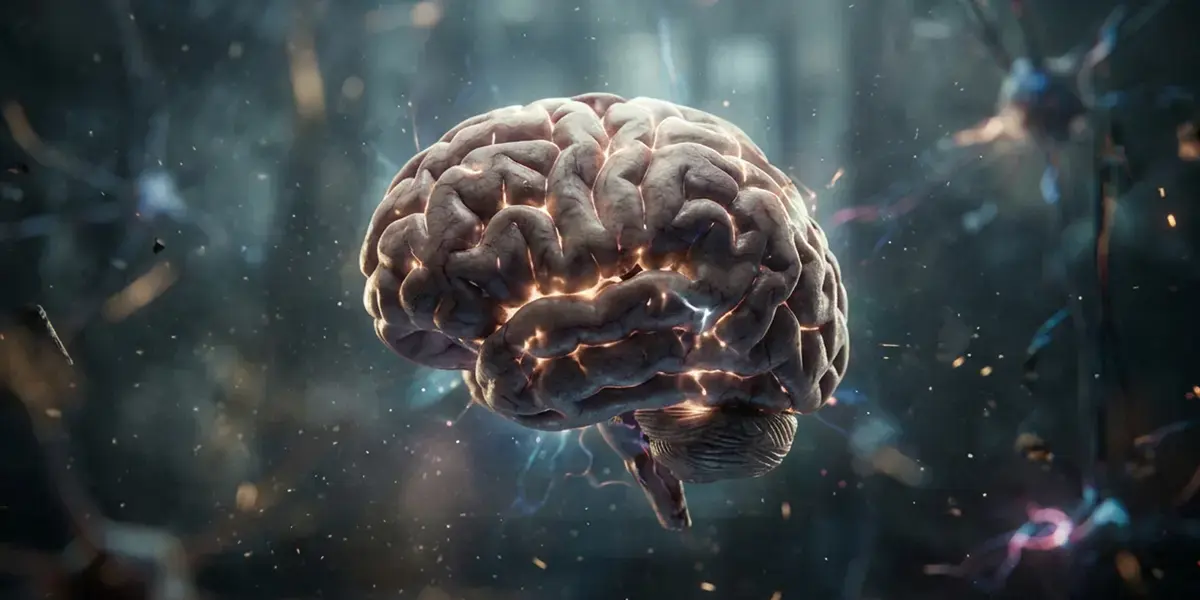
Brain Changes and ADHD Symptoms
Researchers have discovered that changes in brain structure during adolescence can predict whether attention deficit hyperactivity disorder symptoms will persist or fade in children. The study, published recently, analyzed brain development patterns in adolescents.
Wellness insights
 Brain Wiring Explains Why Trauma Victims Struggle To Find Joy
 Healing Journey: A Therapist Reflects on Processing Deep Childhood Trauma
 Forest walks boost mood through sound and biodiversity awareness
 What Counselling in Two Different Countries Taught Me: Hansel Wong on Connection, Curiosity, and Culture
Children with attention deficit hyperactivity disorder often experience symptoms that can change as they grow older. Some may see their symptoms disappear, while others may continue to struggle. A new study has found that these different outcomes are linked to physical changes in the brain during adolescence.
The research revealed that the growth and thinning of certain brain areas are associated with the persistence or decline of ADHD symptoms. As adolescents develop, some brain regions expand, while others thin out. These changes can affect how ADHD symptoms manifest.
Can Brain Development Predict ADHD Outcomes?
The study's findings suggest that understanding brain development patterns can help predict ADHD outcomes. By analyzing brain scans, researchers identified distinct patterns of brain growth and thinning that correlated with symptom persistence or decline. This knowledge could lead to more targeted interventions.
The researchers' discovery has significant implications for understanding ADHD. If brain development patterns can predict symptom persistence, it may be possible to develop more effective treatments. Early interventions could be tailored to a child's specific brain development profile.
The study's results offer a promising outlook for children with ADHD. By understanding the link between brain development and symptom persistence, researchers may be able to develop more effective treatments and improve outcomes for those affected.
Frequently Asked Questions
What brain changes are associated with ADHD persistence? The growth and thinning of certain brain areas are linked to ADHD symptom persistence or decline. These changes occur during adolescence.
Can brain development predict ADHD outcomes? Yes, research suggests that brain development patterns can predict whether ADHD symptoms will persist or fade.
How might this research impact ADHD treatment? Understanding brain development patterns could lead to more effective, personalized treatments for ADHD.