The Cycle of Despair and Delayed Healing
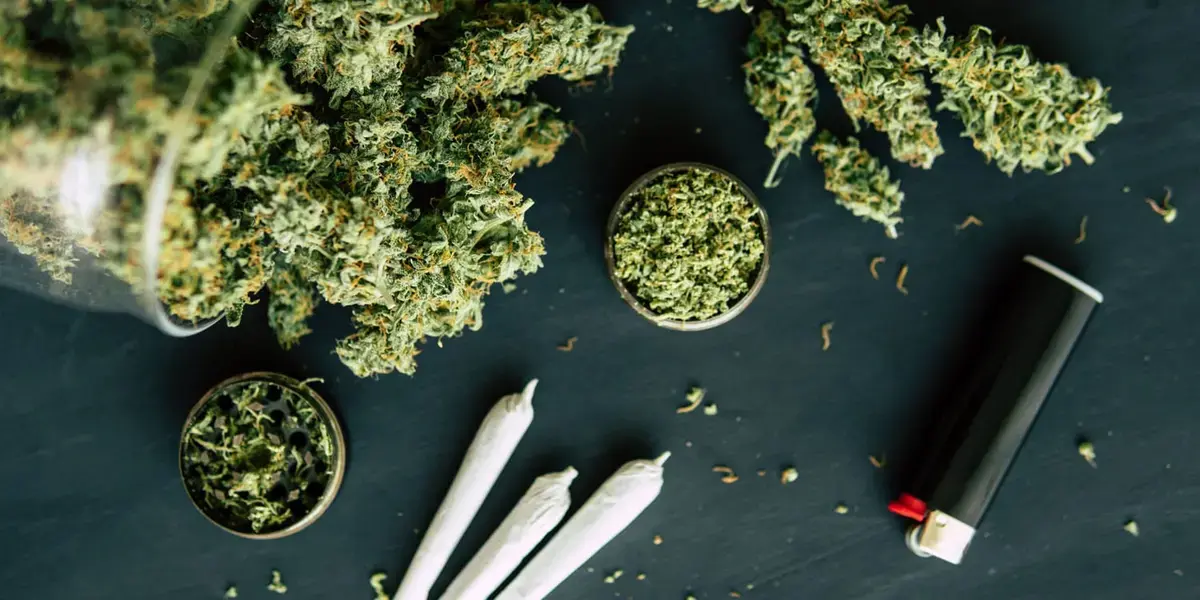
Young adults experiencing their first episode of psychosis, especially those with a history of heavy cannabis use, face a tougher road to recovery. A new observational study reveals that continued cannabis consumption can worsen their mental state. This leads to prolonged psychotic symptoms and a more challenging path toward healing.
Wellness insights
 Midlife Mental Health Crisis Hits Women Harder Than Expected
 Assessing Sleep Problems in Cancer Patients Using Simple Questions
 Postpartum Mood Disorders: Distinguishing Depression from Anxiety
 Emotional Silencing Linked to Increased Loneliness and Depression in New Research
The research highlights a troubling cycle. For these individuals, ongoing cannabis use intensifies feelings of hopelessness and clinical depression. These negative emotions then act as psychological barriers, preventing them from overcoming their psychotic symptoms.
The study specifically looked at patients whose psychosis emerged after significant cannabis use. Researchers observed that when these individuals kept using cannabis, their depression deepened. Their outlook on the future also became much more negative. This worsening mental state directly predicted a significantly higher risk of not achieving remission from their psychotic symptoms.
Does Stopping Cannabis Improve Outcomes?
Furthermore, these patients often required longer hospital stays. They also experienced a greater number of readmissions. This suggests that continued cannabis use not only delays recovery but also increases the burden on healthcare systems. The findings underscore the critical need for interventions that address both substance use and mental health.
The study strongly suggests that ceasing cannabis use is crucial for these patients. Those who stopped using cannabis showed better recovery trajectories. Their feelings of hopelessness and depression began to improve. This positive shift was directly associated with a quicker and more complete remission from psychosis.
The research emphasizes the importance of early intervention and comprehensive support. Addressing cannabis use alongside mental health treatment could significantly improve outcomes for young adults facing their first psychotic episode. Breaking the cycle of substance use and despair is key to fostering recovery and preventing relapses.
Frequently Asked Questions
What did the study find about cannabis and psychosis recovery? The study found that young adults with psychosis linked to heavy cannabis use experience slower recovery. Continued cannabis use worsens depression and hopelessness, delaying symptom remission and increasing hospitalizations.
How do depression and hopelessness affect recovery? Depression and hopelessness act as psychological pathways that maintain psychotic symptoms. These negative feelings are amplified by ongoing cannabis use, making it harder for patients to recover.
What is the main recommendation from this research? The main recommendation is for patients to stop using cannabis. Quitting cannabis use was associated with improved mental states and a faster, more complete remission from psychotic symptoms.