
The Cost of Pushing Through Pain
A recent personal reflection highlighted the critical need for self-care, emphasizing that individuals cannot effectively function when their own resources are depleted. This insight emerged from a week described as a mix of highs and lows, underscoring the unpredictable nature of daily life and its impact on personal well-being. The author noted a tendency to push through difficulties, a common but ultimately unsustainable approach.
Wellness insights
 Do antidepressants actually alter brain structure? A massive neuroscience study weighs in
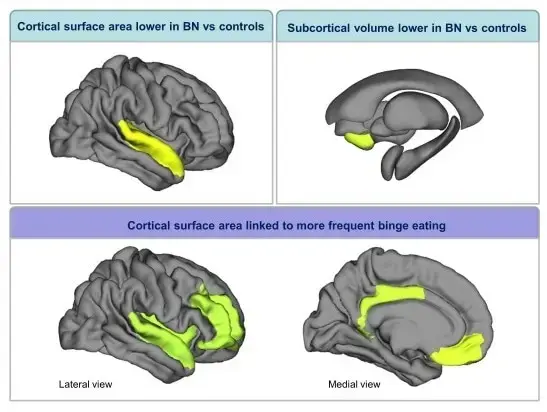 Largest Neuroimaging Study Reveals Brain Structure Changes in Bulimia Nervosa
 Simple Daily Habits to Support Mental Wellness in Recovery
 Mankeeping: Measuring the Hidden Emotional Labor Women Do for Partners’ Social Lives
The experience served as a stark reminder that neglecting one's own needs leads to burnout. This often manifests as a struggle to maintain productivity and emotional balance. Many people ignore early warning signs, believing they can simply endure hardship.
Ignoring the body's signals for rest and rejuvenation carries significant consequences. It can lead to decreased efficiency and increased stress levels. This continuous effort without recovery drains mental and physical reserves, making even simple tasks feel overwhelming. The belief that one must always be strong can be detrimental.
Why Do We Neglect Our Own Needs?
This pattern of self-neglect is widespread in modern society. Individuals often prioritize external demands over their personal well-being. This creates a cycle where exhaustion becomes the norm rather than the exception.
There are many reasons why people often overlook self-care. Societal pressures to constantly perform play a large role. The fear of appearing weak or unproductive also contributes to this behavior. Many feel guilty taking time for themselves.
Understanding these underlying factors is the first step toward change. Recognizing that self-care is not selfish but essential is crucial. It allows individuals to operate at their best, both personally and professionally. Prioritizing self-care leads to greater resilience and overall happiness.
Frequently Asked Questions
What are the immediate signs of needing self-care? Immediate signs often include feelings of exhaustion, irritability, and a lack of motivation. Physical symptoms like headaches or difficulty sleeping can also indicate a need for rest and replenishment.
How can one integrate self-care into a busy schedule? Start with small, consistent actions, such as taking short breaks, practicing mindfulness for a few minutes, or engaging in a relaxing hobby. Even brief moments of self-care can make a significant difference over time.
Is self-care only about relaxation? No, self-care encompasses a wide range of activities that promote physical, mental, and emotional well-being. This includes healthy eating, exercise, maintaining social connections, and setting boundaries, not just relaxation.