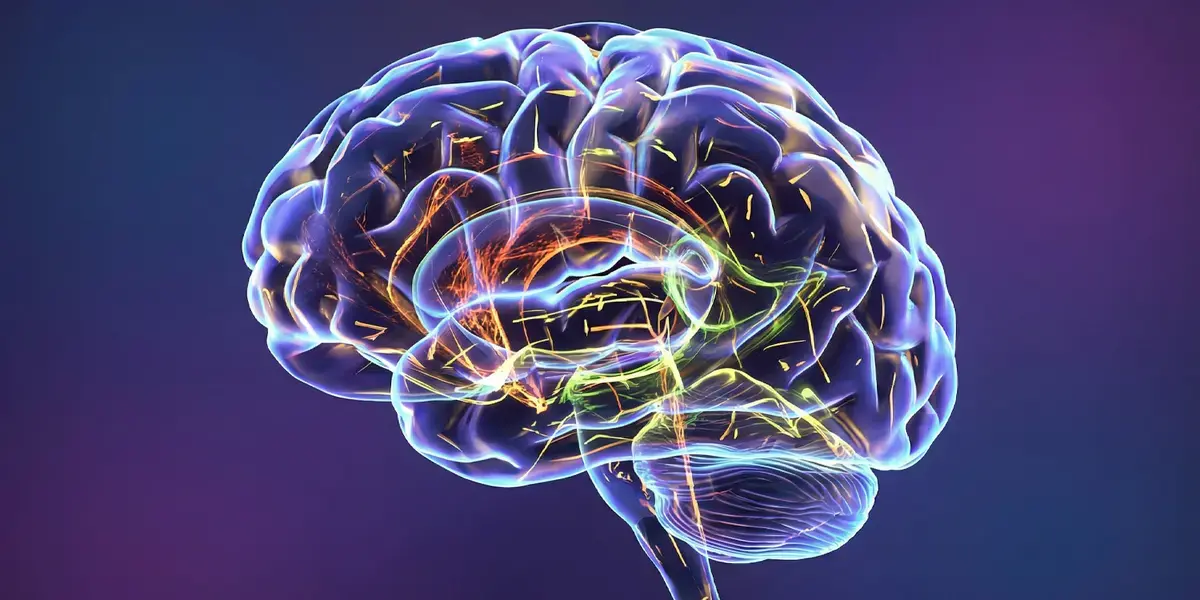
Decoding Brain Signals
Researchers have identified a link between brain activity and the risk of psychiatric hospitalization in people with mood disorders. The study focused on individuals with major depressive disorder or bipolar disorder. Brain scans were used to measure activity when viewing facial expressions.
Wellness insights
 Brain Wiring Explains Why Trauma Victims Struggle To Find Joy
 Healing Journey: A Therapist Reflects on Processing Deep Childhood Trauma
 Forest walks boost mood through sound and biodiversity awareness
 What Counselling in Two Different Countries Taught Me: Hansel Wong on Connection, Curiosity, and Culture
The study found that people with heightened brain activity when viewing fearful faces are more likely to be hospitalized within a year. This increased activity is accompanied by a tendency to recognize negative facial expressions more quickly than positive ones. The brain's response to negative emotions appears to be a key indicator of vulnerability.
Can Brain Scans Predict Patient Outcomes?
When participants viewed fearful faces, their brain activity was measured using scans. The results showed that stronger reactions to negative emotions were associated with a higher risk of hospitalization. This suggests that the brain's response to fearful stimuli may be an important predictor of psychiatric risk.
The study's findings have significant implications for understanding the neural mechanisms underlying mood disorders. By identifying biomarkers of risk, researchers may be able to develop more effective treatment strategies. The link between brain activity and hospitalization risk highlights the importance of monitoring emotional responses in individuals with mood disorders.
The study's results raise questions about the potential for brain scans to predict patient outcomes. If brain activity can be used to identify individuals at high risk of hospitalization, clinicians may be able to provide targeted interventions. This could lead to more effective management of mood disorders and reduced hospitalization rates.
Frequently Asked Questions
Individuals with mood disorders who exhibit heightened brain activity when viewing fearful faces are at increased risk of psychiatric hospitalization. Clinicians may be able to use this information to develop more effective treatment plans and reduce the risk of hospitalization.
What does the study reveal about brain activity and hospitalization risk? The study found a link between heightened brain activity and increased hospitalization risk in people with mood disorders. How might the study's findings be used in clinical practice? Clinicians may use brain scans to identify individuals at high risk of hospitalization and provide targeted interventions. What are the implications of the study's results for treatment strategies? The findings suggest that monitoring emotional responses may be an important aspect of managing mood disorders.