Anxiety Hidden Behind Adolescent Changes
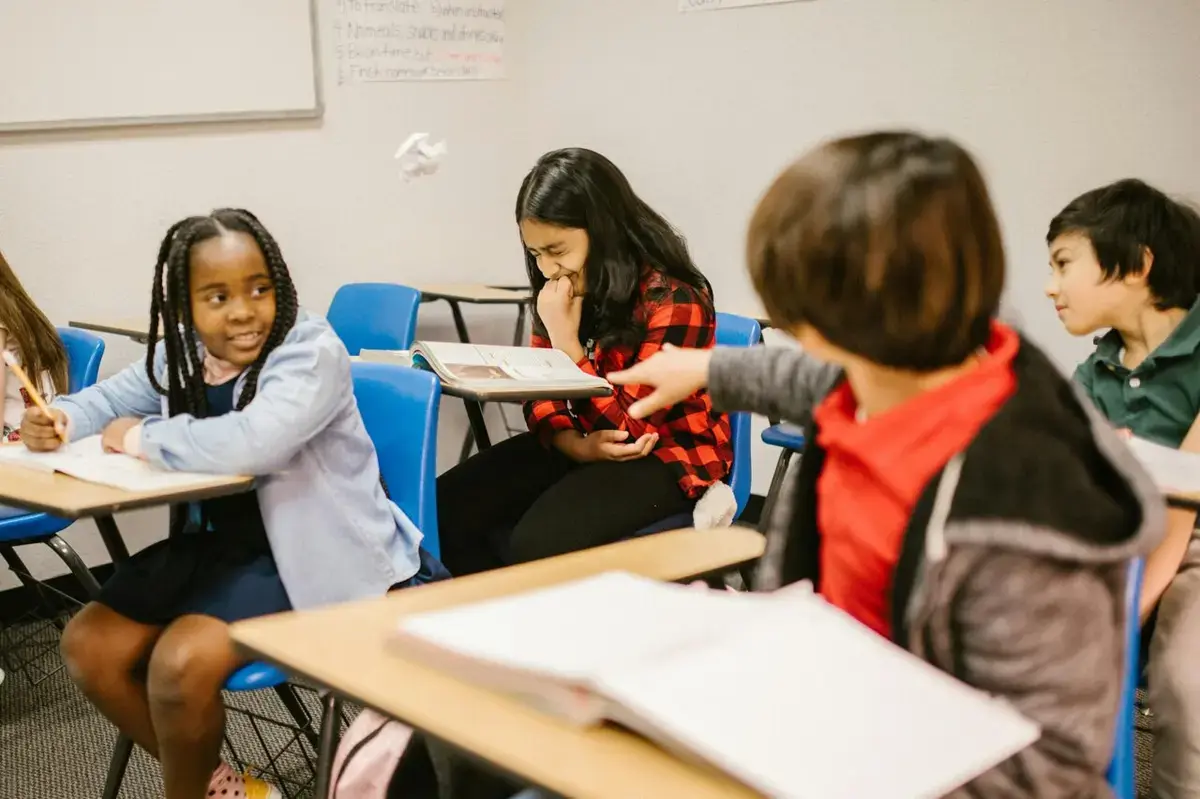
Children entering middle school face significant changes, including new environments, increased academic pressures, and evolving social relationships. This transition can be particularly challenging. Anxiety levels among youngsters are reportedly on the rise. Parents often remain unaware of their child's growing anxiety.
Wellness insights
 Brain Wiring Explains Why Trauma Victims Struggle To Find Joy
 Healing Journey: A Therapist Reflects on Processing Deep Childhood Trauma
 Forest walks boost mood through sound and biodiversity awareness
 What Counselling in Two Different Countries Taught Me: Hansel Wong on Connection, Curiosity, and Culture
The onset of puberty can mask anxiety symptoms, making it difficult for parents to detect. As children navigate these changes, their emotional struggles may be overlooked. Researchers at Florida International University have highlighted this issue, emphasizing the need for greater parental awareness.
As youngsters enter adolescence, physical and emotional transformations can obscure anxiety symptoms. Parents may attribute their child's irritability or mood swings to typical teenage behavior, rather than recognizing underlying anxiety. This lack of understanding can lead to delayed support for affected children.
Can Parents Identify Anxiety in Their Children?
Studies have shown that anxiety can have long-term effects on a child's mental health and well-being. Early identification and intervention are crucial in addressing these issues.
Parents often struggle to distinguish between normal adolescent behavior and anxiety symptoms. By being more aware of their child's emotional state, parents can provide timely support. Experts stress the importance of open communication and monitoring changes in behavior.
Consequences of unaddressed anxiety can be severe, potentially leading to long-term mental health issues. As anxiety levels continue to rise among children, it is essential for parents and caregivers to be vigilant.
Frequently Asked Questions
What are common signs of anxiety in children? Children experiencing anxiety may exhibit irritability, mood swings, or avoidance behaviors. Parents should be aware of changes in their child's behavior.
How can parents support anxious children? Parents can help by maintaining open communication, encouraging emotional expression, and seeking professional help when needed.
What are the long-term effects of untreated anxiety? Unaddressed anxiety can lead to persistent mental health issues, affecting a child's overall well-being and quality of life.