The Healing Power of Green Spaces
A recent study conducted by the University of Illinois at Urbana-Champaign highlights the positive effects of nature on the mental health of children from underprivileged backgrounds. The research emphasizes that these children may gain more psychological benefits from natural environments compared to their peers in more affluent areas.
Wellness insights
 Brain Wiring Explains Why Trauma Victims Struggle To Find Joy
 Healing Journey: A Therapist Reflects on Processing Deep Childhood Trauma
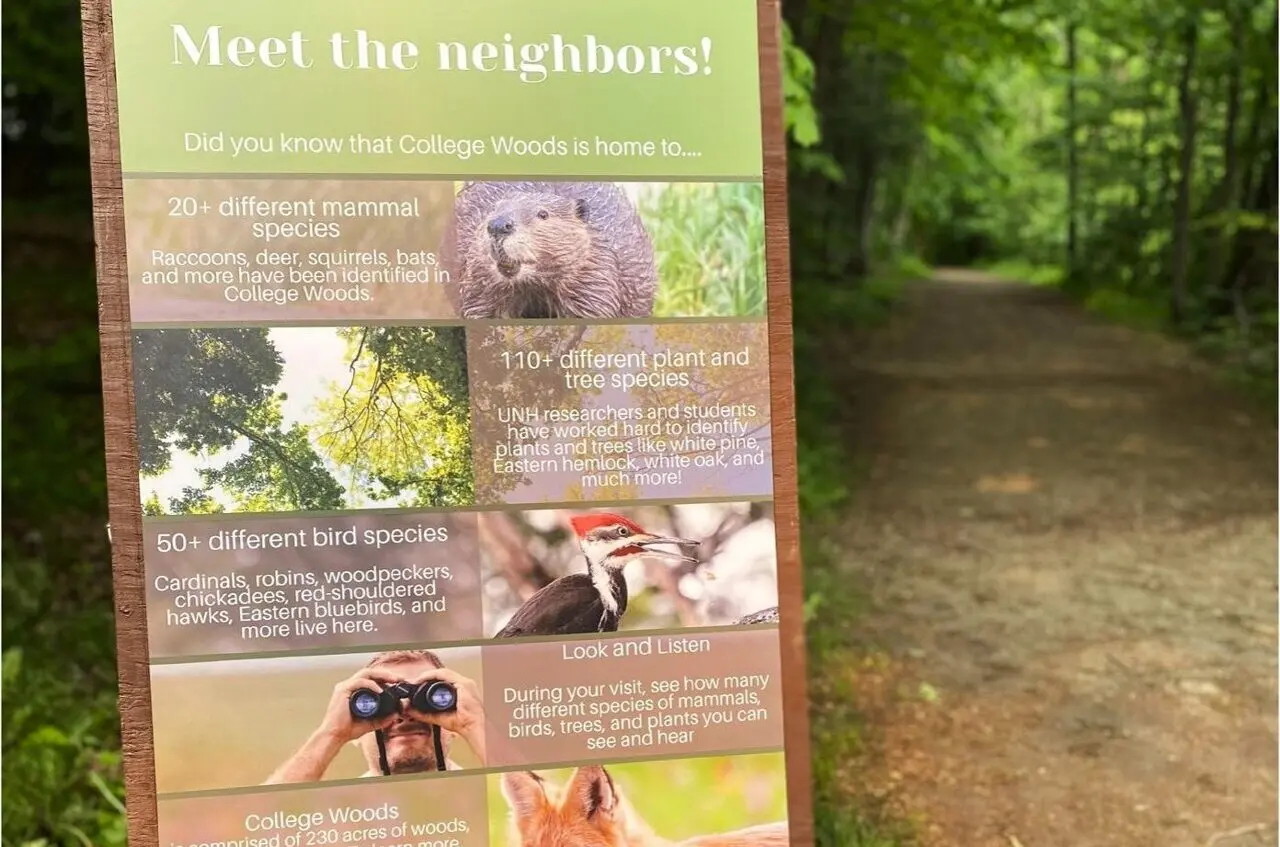 Forest walks boost mood through sound and biodiversity awareness
 What Counselling in Two Different Countries Taught Me: Hansel Wong on Connection, Curiosity, and Culture
Growing up in low-income communities often exposes children to higher levels of stress and adversity. This increased strain can lead to various mental health challenges, including anxiety and depression. The study reviewed multiple research papers to explore how green spaces can serve as a therapeutic tool for these vulnerable populations. The findings suggest that access to nature may help mitigate some of the negative psychological impacts associated with poverty.
Researchers found that children from disadvantaged backgrounds who spend time in natural settings often experience reduced stress and improved emotional well-being. Nature provides a calming effect, promoting relaxation and fostering positive emotions. The study indicates that green spaces can play a crucial role in supporting mental health, particularly for those who face daily challenges related to their socioeconomic status.
Can Nature Bridge the Gap for Disadvantaged Kids?
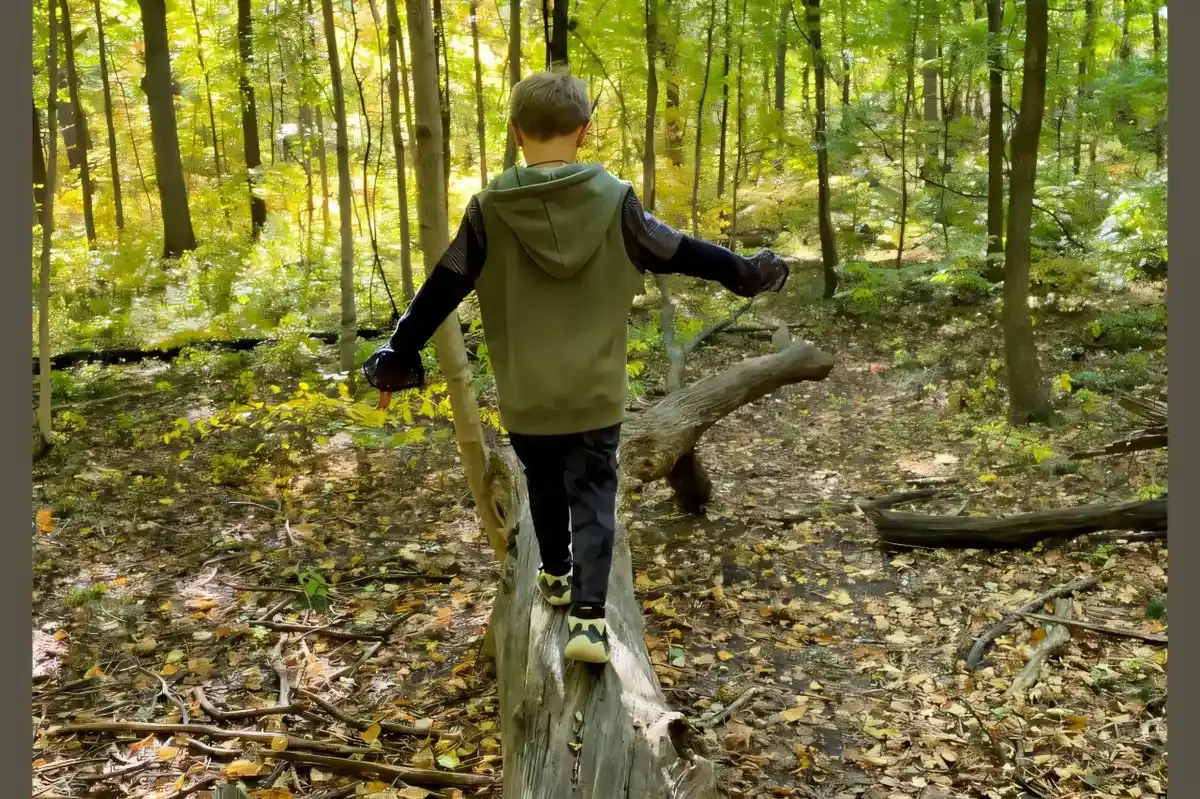
Furthermore, the presence of nature encourages physical activity, which is beneficial for both physical and mental health. Engaging in outdoor activities can help children develop social skills and resilience, further enhancing their overall well-being. The research underscores the importance of integrating nature into urban planning and community development, especially in areas where children are most in need.
The study raises an important question: Can access to nature help level the playing field for disadvantaged children? The answer appears to be a resounding yes. By fostering connections with the natural world, children can improve their coping mechanisms and emotional health. This connection may serve as a buffer against the psychological effects of poverty.
Creating more green spaces in urban areas could be a vital strategy for improving mental health outcomes for these youth. Policymakers and community leaders are urged to prioritize the development of parks and natural areas, ensuring that all children have the opportunity to benefit from the healing power of nature.
Frequently Asked Questions
As awareness grows about the importance of nature in promoting mental health, there is hope for a brighter future for disadvantaged children. By addressing environmental inequalities, communities can support the psychological well-being of their youngest members.
How does nature specifically benefit children’s mental health? Nature reduces stress and promotes positive emotions, which can help improve mental well-being. Engaging with the outdoors encourages physical activity and social interaction.
What role should communities play in providing access to nature? Communities should focus on creating and maintaining green spaces, especially in disadvantaged areas, to ensure that all children can experience the mental health benefits of nature.