Recognizing Psychological Warning Signs
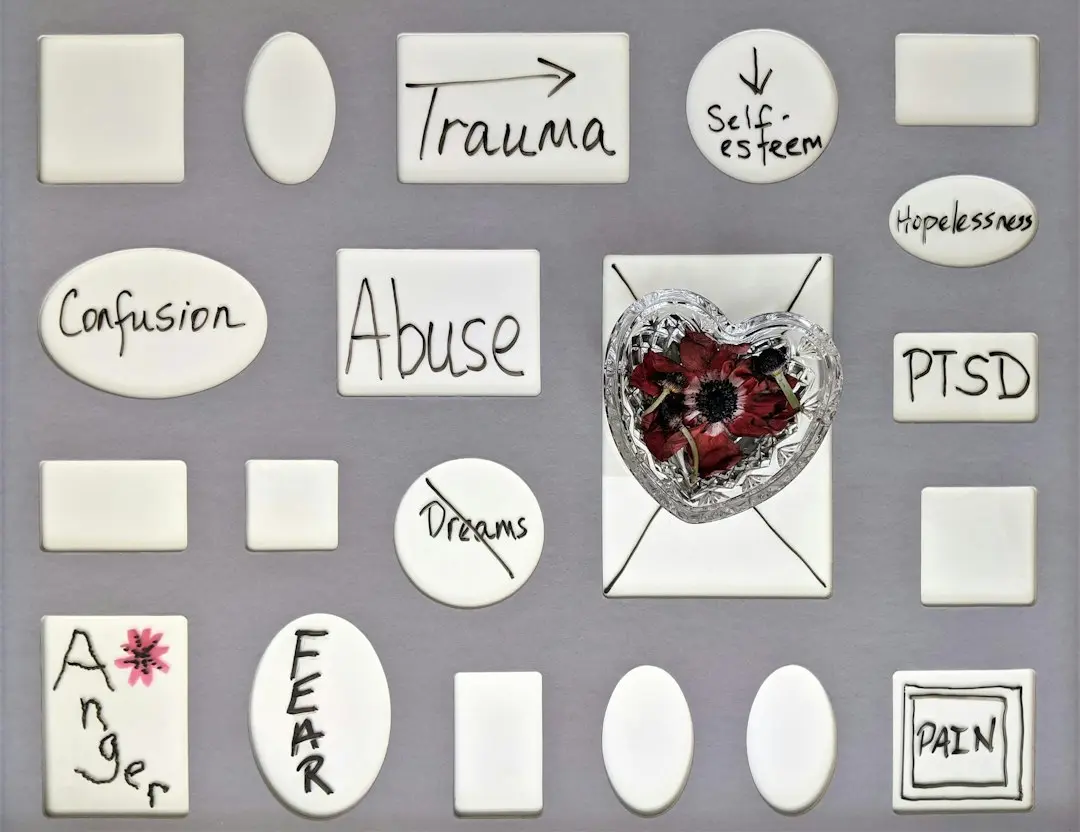
Trauma remains a deeply distressing experience capable of causing lasting emotional, psychological, and physical consequences for individuals worldwide. Left unaddressed, these profound events can disrupt daily life, yet proper support and specialized care offer a reliable pathway toward meaningful recovery and long-term psychological resilience.
Wellness insights
 Social support networks of older adults before, during and after the COVID-19 pandemic
 College Mental Health Crisis Shows Signs of Easing
 Why Depression Subtypes Matter: 25 Years of Clinical Lessons
 Choosing Adjunctive Therapy for Major Depressive Disorder: A Focus on Non-Negotiables
When people encounter severe distress, their minds and bodies often struggle to process the overwhelming event immediately. These profound experiences stem from various sources, ranging from sudden accidents to prolonged hardships. The resulting psychological strain frequently alters brain chemistry and emotional regulation. Consequently, survivors may experience persistent anxiety, intrusive memories, and intense physiological reactions long after the initial event has passed.
Recognizing Psychological Warning Signs
Symptoms of post-traumatic stress often manifest through unpredictable mood swings, extreme hypervigilance, and persistent feelings of detachment from loved ones. Physical manifestations can include chronic fatigue, muscle tension, and sleep disturbances. Identifying these specific behavioral and physical indicators marks the crucial first step toward obtaining effective professional diagnosis and targeted therapeutic interventions.
While mild stress reactions sometimes resolve naturally
Can Recovery Happen Without Professional Guidance?
While mild stress reactions sometimes resolve naturally over time, clinical trauma usually requires structured therapeutic intervention. Modern psychiatric care encompasses diverse modalities, including cognitive processing therapy and specialized counseling designed to help individuals process distressing memories safely. With consistent support from qualified mental health practitioners, survivors can gradually regain emotional stability and reclaim control over their lives.
What defines a traumatic experience? It is a deeply distressing event that overwhelms an individual's ability to cope, leaving lasting emotional and psychological effects.
Is recovery possible for PTSD sufferers? Yes, PTSD is entirely treatable with the right support, guidance, and specialized therapeutic care from mental health professionals.