Sound Shapes Meaning in Early Childhood
A study shows children as young as five recognize emotional signals in words like „tick-tock” and „screech.” The research, conducted at Arizona State University, highlights how sound patterns help kids link words to feelings.
Wellness insights
 Mindfulness Program Cuts Depression Relapse Risk for New Mothers
 Measuring Eudaimonic Growth in Therapy Settings
 Hidden Hurts Behind Wealth and Privilege
 Unlocking Peak Performance Through Brain Chemistry
The Gleam-Glum Effect Scientists identified a „gleam-glum effect” where children associate certain sounds with positive or negative emotions. Words mimicking real-life noises—called onomatopoeia—act as clues. Five-year-olds consistently matched harsh-sounding words like „crash” to negative scenes and smooth ones like „moo” to positive ones.
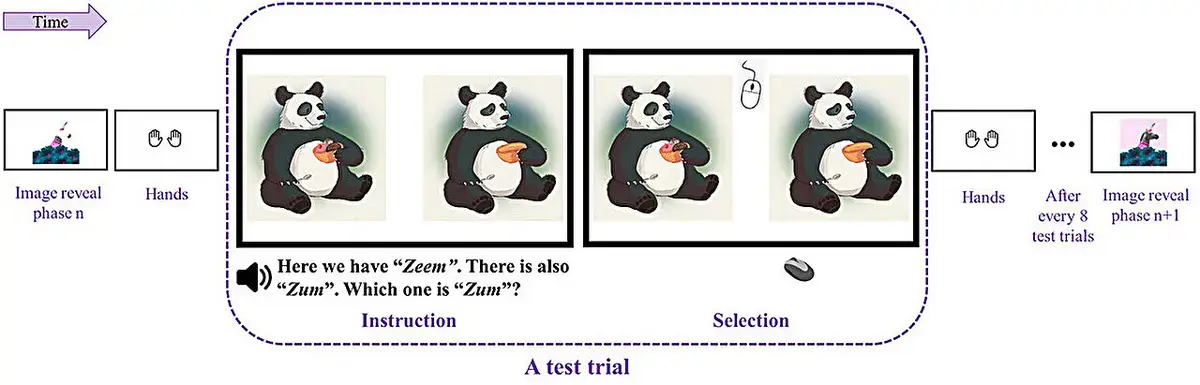
Researchers tested 50 children using a matching game. Participants heard made-up words and chose images showing happy or sad scenes. Words with sharp consonants (e.g., „blick”) were linked to negative images 70% of the time. Softer sounds (e.g., „lume”) paired with positive scenes 65% of the time.
Do Emotional Cues Help Kids Learn Language?
The study suggests children use sound patterns to guess word meanings before formal education. Lead researcher Kimberlee D’Ardenne said, „These cues act like emotional labels, guiding kids toward correct associations.” Similar results were seen in adults, showing the effect is innate.
Implications for Language Development The findings could reshape how educators teach vocabulary. By highlighting sound-emotion connections, teachers might help children—especially those with language delays—learn faster. The study also raises questions about how early emotional language skills affect reading comprehension.
Frequently Asked Questions
How might this research help children with speech delays? Therapists could use onomatopoeia to build vocabulary, leveraging the brain’s natural link between sound and emotion.
Is the gleam-glum effect seen in other languages? The study focused on English, but researchers believe similar patterns exist globally due to universal emotional responses to sound.
Can adults improve communication using these cues? Yes—choosing words with positive-sounding patterns may enhance persuasion or empathy in conversations.