
Nightmares Intensify Sleep Troubles
New research from Australia reveals a strong connection between the fear of death and sleep problems. Individuals who experience significant death anxiety often report more severe insomnia. This link appears to be independent of a person's attachment style, suggesting a direct impact on sleep quality.
Wellness insights
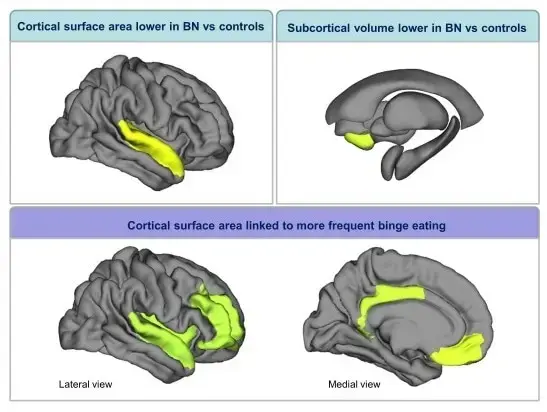 Largest Neuroimaging Study Reveals Brain Structure Changes in Bulimia Nervosa
 Simple Daily Habits to Support Mental Wellness in Recovery
 Mankeeping: Measuring the Hidden Emotional Labor Women Do for Partners’ Social Lives
 Navigating Careers in Professional Counseling Specializations
The study, published in the journal Death Studies , highlights how emotional distress related to mortality can manifest physically. It indicates that the dread of dying doesn't just cause psychological discomfort but actively disrupts sleep patterns.
A key finding of the research is the role of nightmares. The study suggests that death anxiety exacerbates insomnia primarily through an increase in the frequency and intensity of bad dreams. These distressing nocturnal experiences further disrupt sleep, creating a vicious cycle.
Can Addressing Death Anxiety Improve Sleep?
Participants with higher levels of death anxiety consistently reported more vivid and disturbing nightmares. These nightmares, in turn, were directly associated with worse overall sleep quality and more pronounced insomnia symptoms. This connection was a significant pathway identified in the study.
The findings suggest that therapeutic interventions targeting death anxiety could potentially alleviate insomnia. By helping individuals process and cope with their fears about mortality, it might be possible to reduce the severity of nightmares and improve sleep. This approach could offer a new avenue for treating chronic sleep disturbances.
Understanding this relationship could lead to more holistic treatment plans for insomnia. Instead of solely focusing on sleep hygiene or medication, addressing underlying existential fears might be crucial. The study opens doors for further exploration into the psychological roots of sleep disorders.
Frequently Asked Questions
What is death anxiety? Death anxiety refers to the emotional distress and fear people experience when contemplating their own mortality or the concept of death. It can range from mild unease to intense dread.
How does death anxiety affect sleep? The study found that death anxiety is linked to worse insomnia, primarily by increasing the severity and frequency of nightmares. These disturbing dreams then contribute to disrupted sleep.
Does a person's attachment style matter? The research indicated that the association between death anxiety and insomnia was not dependent on an individual's attachment style. This suggests a direct link regardless of how a person forms emotional bonds.