The Body Keeps the Score: Physical Manifestations of Emotional Wounds
Unresolved trauma often operates beneath the surface, manifesting in ways that can catch people off guard. Mental health professionals explain that traumatic experiences can leave lasting effects on emotional regulation, relationships, and overall well-being, sometimes appearing years after the initial event.
Wellness insights
 Fitness Addiction Left Runner Anxious and Sleep Deprived
 Can Everyday Behaviors Like Gaming and Eating Become True Addictions?
 Managing Exam Stress: Practical Tips for Students
 Rebuilding Trust After Conflict: Practical Steps for Stronger Bonds
The symptoms of unresolved trauma extend far beyond obvious PTSD diagnoses. Many individuals struggle with persistent anxiety, unexplained physical ailments, and relationship patterns that repeat without clear explanation. Trauma counseling offers a structured approach to understanding these connections and developing healthier coping mechanisms.
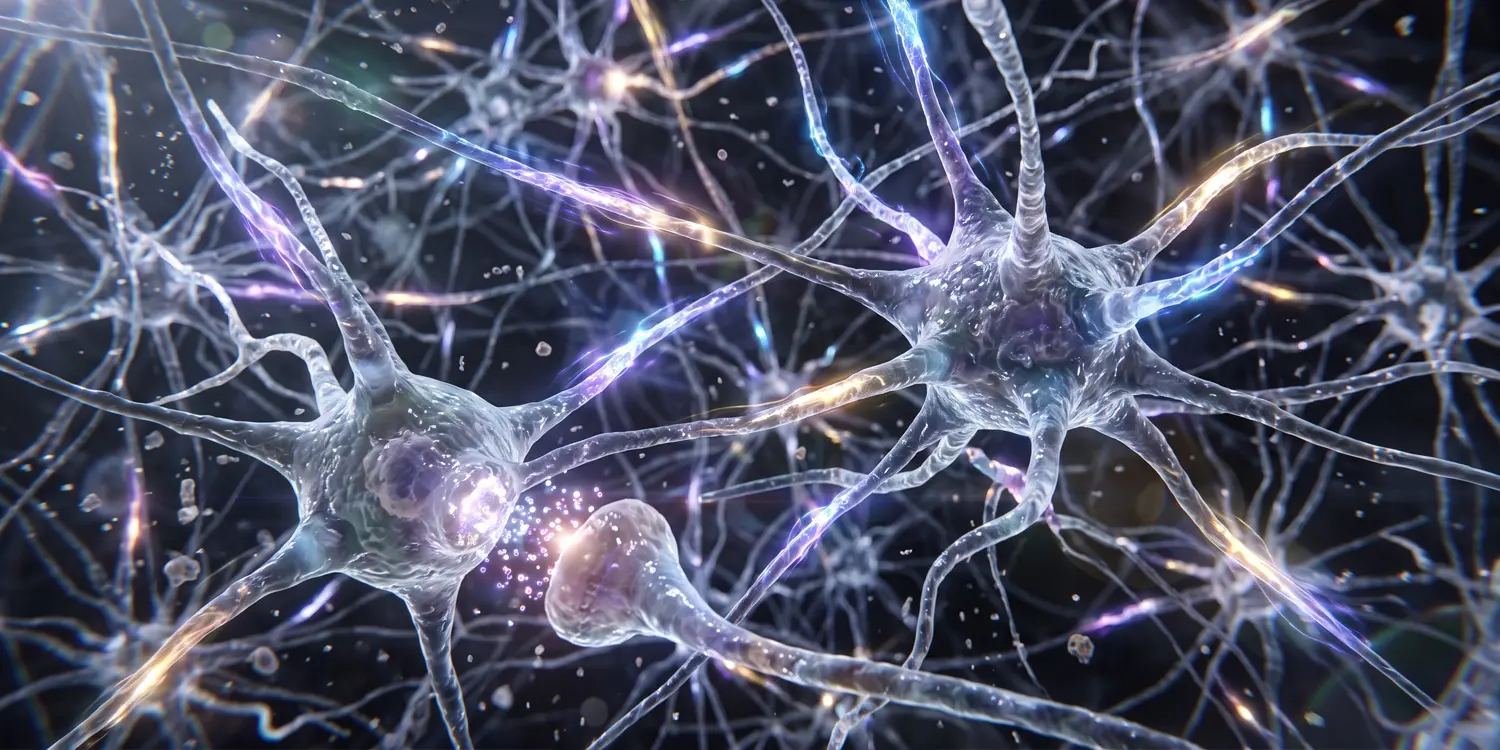
Research consistently shows that psychological trauma creates measurable changes in brain structure and function. Dr. Bessel van der Kolk's groundbreaking work demonstrates how traumatic stress affects the nervous system, often leading to chronic conditions like fibromyalgia, digestive issues, and cardiovascular problems. Patients frequently report feeling physically unwell without clear medical explanations, only to discover through therapy that their symptoms correlate with unresolved psychological wounds.
Can Healing Really Begin Through Talk Therapy?
The mind-body connection becomes particularly evident when individuals experience sudden panic attacks in safe environments or develop phobias unrelated to their original trauma. These responses occur because the brain's threat detection system remains hypervigilant, triggering automatic reactions even when danger has passed.
Trauma counseling employs various techniques to help patients process difficult experiences safely. Eye movement desensitization and reprocessing (EMDR), cognitive behavioral therapy, and somatic experiencing all target different aspects of how trauma affects daily functioning. The therapeutic relationship itself provides a corrective experience, offering validation and support that may have been missing during the original traumatic events.
Success rates vary significantly based on factors including the severity of trauma, duration of symptoms, and individual resilience. Studies indicate that approximately 60-80 percent of participants show substantial improvement after completing evidence-based trauma treatment programs. However, healing typically requires sustained commitment and often involves confronting painful memories that many naturally avoid.
Frequently Asked Questions
What distinguishes trauma counseling from regular therapy? Trauma-specific interventions address both psychological symptoms and physiological responses, often incorporating body-based techniques alongside traditional talk therapy approaches.
How long does it typically take to see results? Initial improvements may appear within weeks, but comprehensive healing usually requires several months to multiple years depending on trauma severity and treatment consistency.
Is it safe to discuss traumatic memories in therapy? Qualified trauma therapists use careful pacing and stabilization techniques to ensure clients can safely process difficult material without becoming overwhelmed or retraumatized.