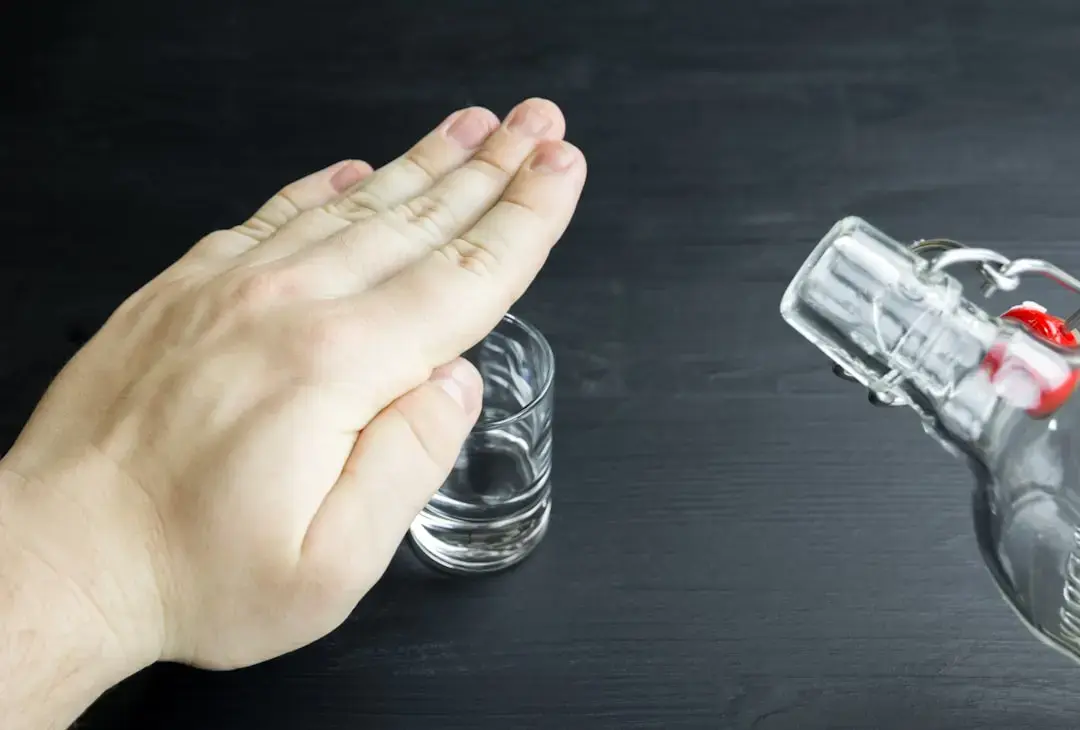
The Risks of Stress-Driven Drinking
Researchers at the University of Massachusetts Amherst have found that using alcohol to cope with stress in early adulthood may have long-lasting effects on the brain. The study suggests that stress-driven drinking can permanently alter the brain's wiring, leading to lasting cognitive impairments. This discovery has significant implications for young adults who turn to alcohol as a coping mechanism.
Wellness insights
 Healing Journey: A Therapist Reflects on Processing Deep Childhood Trauma
 Forest walks boost mood through sound and biodiversity awareness
 What Counselling in Two Different Countries Taught Me: Hansel Wong on Connection, Curiosity, and Culture
 Dr. LaNail Plummer Shares Insights on Starting Therapy
Can Stress-Driven Drinking Lead to Long-Term Cognitive Impairments?
When individuals experience stress, their brain's reward system is activated, releasing feel-good chemicals such as dopamine. Drinking alcohol can provide temporary relief from stress, but repeated exposure to stress and alcohol can rewire the brain's reward system. This can lead to changes in the brain's structure and function, particularly in regions responsible for emotional regulation and memory.
The study found that mice exposed to stress and alcohol in early adulthood exhibited changes in brain function and behavior that persisted even after years of abstinence. These changes were linked to alterations in the brain's reward system and stress response. While the study was conducted on mice, the findings have implications for human health, particularly for young adults who may be using alcohol to cope with stress.
Frequently Asked Questions
The study's findings suggest that young adults who use alcohol to cope with stress may be at risk of long-term cognitive impairments. This is concerning, as young adulthood is a critical period for brain development and stress management. The researchers hope that their findings will raise awareness about the risks of stress-driven drinking and encourage young adults to seek healthier coping mechanisms.