
How Body Clocks Influence Mood Stability
Researchers have identified a specific subtype of depression linked directly to disrupted sleep cycles. This condition, termed circadian depression, affects individuals whose internal body clocks are significantly misaligned with their daily routines. The finding suggests that standard treatments may not always be effective for this particular group. Scientists emphasize that recognizing this distinct category is crucial for better patient care. It moves beyond a one-size-fits-all approach to mental health treatment.
Wellness insights
 Teens Turn to AI Chatbots for Emotional Support Amid Rising Anxiety
 Sleep Problems May Increase Alzheimer Risk, But Treating Them Could Help Protect Memory
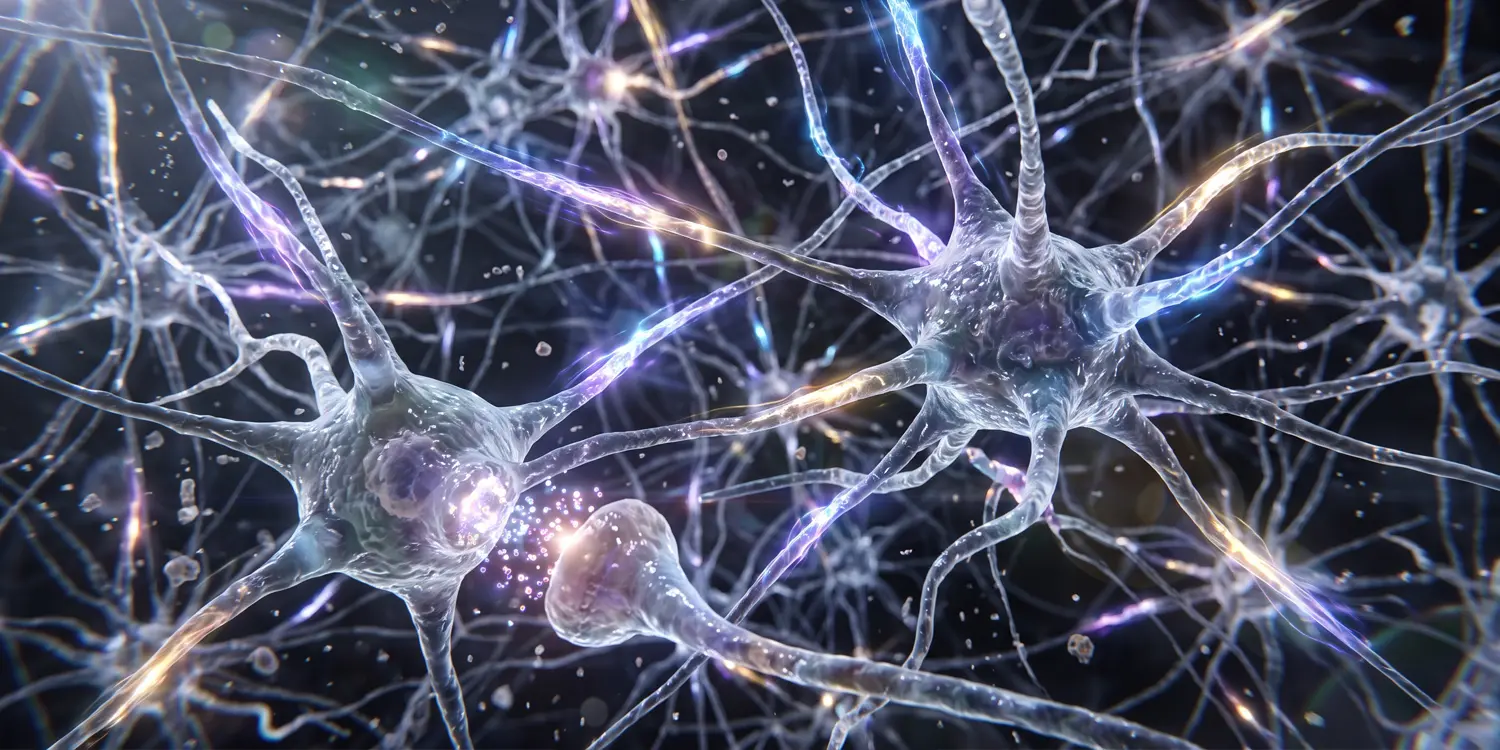 How LSD Accelerates Brain Waves and Alters Consciousness
 AI Chatbots Linked to Worsening Psychotic Symptoms
The study highlights how biological rhythms play a central role in mood regulation. When these rhythms fall out of sync, symptoms of depression can become more severe or persistent. Patients often report feeling tired despite sleeping for long periods. Their energy levels and emotional states fluctuate throughout the day. This pattern differs markedly from typical depressive episodes where fatigue is constant. Understanding this distinction allows clinicians to tailor interventions more precisely.
The human body operates on a twenty-four-hour cycle known as the circadian rhythm. This internal clock regulates sleep, hormone release, and alertness. In circadian depression, this system malfunctions. The mismatch between external time cues and internal biology creates chronic stress. This physiological strain contributes to low mood and cognitive difficulties. Therapies that reset these clocks show promise. Light therapy and timed medication are key components of such treatments. By aligning the patient’s biological schedule with their environment, symptoms can improve.
Can Adjusting Sleep Cycles Cure The Disorder?
Researchers note that current diagnostic tools rarely assess sleep timing in depth. Most evaluations focus on symptom duration and intensity. They often overlook the temporal aspect of the disorder. This gap leaves many patients without appropriate guidance. New protocols aim to integrate sleep logs into routine psychiatric assessments. Such changes could identify candidates for circadian-focused care early. Early intervention prevents the condition from worsening over time. It reduces the risk of chronicity in vulnerable populations.
Experts caution that adjusting sleep habits alone is not a cure. However, it serves as a powerful adjunct to existing therapies. Cognitive behavioral therapy for insomnia is frequently recommended. Patients learn to establish consistent bedtimes and wake times. They also reduce exposure to blue light in the evening. These behavioral changes support the brain’s natural signaling pathways. Medication timing also plays a critical role. Taking certain antidepressants at specific hours can enhance their effectiveness. The goal is to synchronize the patient’s internal state with their social obligations. This synchronization helps restore a sense of normalcy and control.
Frequently Asked Questions
The implications for healthcare systems are significant. Specialized clinics may need to offer more integrated services. Mental health providers must collaborate with sleep specialists. Training programs should include education on chronobiology. This interdisciplinary approach ensures comprehensive care. Patients benefit from a holistic perspective on their health. The research opens doors for personalized medicine in psychiatry. It validates the experiences of those who feel their depression is tied to time.
Is circadian depression a new diagnosis? It is a recognized subtype within existing frameworks. Clinicians are increasingly acknowledging it as a distinct clinical entity. More formal diagnostic criteria are being developed.
How common is this type of depression? Prevalence rates vary by study population. It appears more frequent in adolescents and elderly groups. Accurate global statistics are still emerging.