
New interoceptive communication model explains shifting mental states
Researchers have introduced the Interoceptive Communication Model, or ICM 2.0, to explain how the brain regulates behavior. This new framework addresses gaps in
Researchers have introduced the Interoceptive Communication Model, or ICM 2.0, to explain how the brain regulates behavior. This new framework addresses gaps in


A panel hosted by the Brain Trust series on October 5, 2026 brought together Dr. Lisa Harding and Dr. Joseph Goldberg to discuss how psychiatrists choose among

A recent study conducted across multiple schools in China examined how adolescents' perceptions of unequal parental treatment relate to excessive internet use,
Many high-achieving professionals appear confident and capable in workplace settings while privately battling intense social anxiety, according to clinical obse

A new study examining adult attachment patterns among Mexican couples reveals significant connections between insecure attachment styles, hypersexuality, and re

A panel of psychiatrists reviewed treatment pathways for treatment-resistant depression on October 5, 2026, focusing on structured care levels and neuromodulati

On October 5, 2026, psychiatrists Ben Yudkoff and Gene Dolgin discussed the evolving understanding of treatment-resistant depression in adults during a video se

A recent synthesis of research indicates that hallucinations and paranoia in post‑traumatic stress disorder are typically manifestations of intense trauma rathe

A parent’s midnight worry often centers on a single question: is my teenager’s anxiety normal, or does it need professional help? Experts say the answer hinges
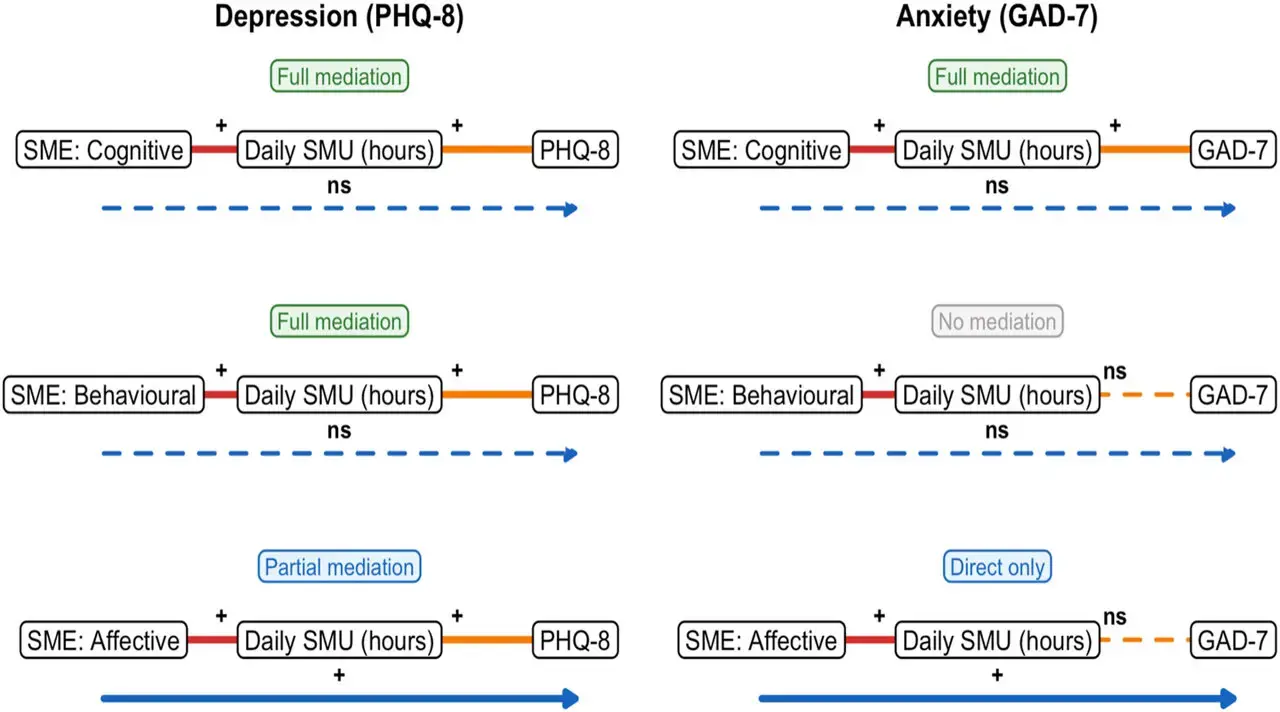
Researchers at the University of Exeter emphasize that how people interact with social media matters more than the duration of use when assessing mental health

The research was led by Andrew Subica, professor of social medicine, population, and public health at UC Riverside School of Medicine, alongside Shinichi Nagata