How Different Types of Engagement Influence Mental Wellbeing
Researchers at the University of Exeter emphasize that how people interact with social media matters more than the duration of use when assessing mental health impacts. A new study shifts focus from total screen time to the quality of engagement, suggesting that passive scrolling and active participation affect wellbeing differently. The findings highlight the need for nuanced approaches in guiding healthy social media habits, particularly among young adults and adolescents.
Wellness insights
 Brain Wiring Explains Why Trauma Victims Struggle To Find Joy
 Healing Journey: A Therapist Reflects on Processing Deep Childhood Trauma
 Forest walks boost mood through sound and biodiversity awareness
 What Counselling in Two Different Countries Taught Me: Hansel Wong on Connection, Curiosity, and Culture
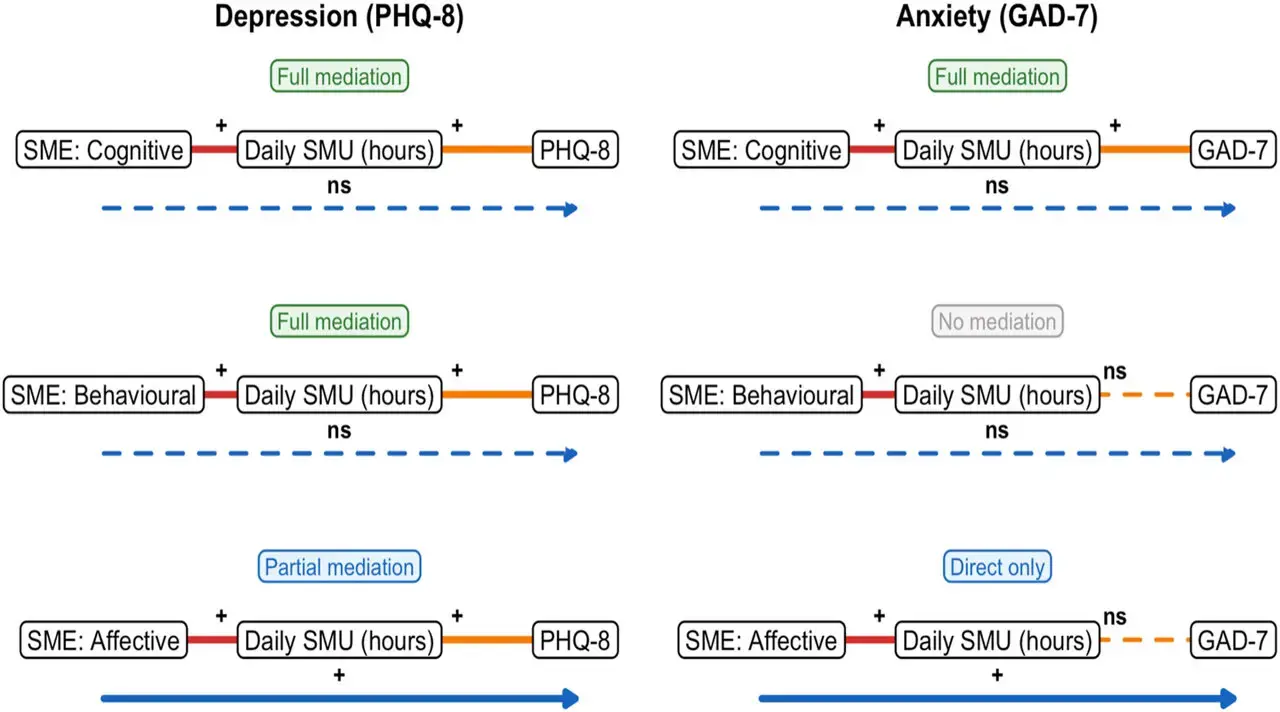
The study introduces a conceptual mediation model linking daily time spent on social media (DTS-SM) with depression symptoms measured by the PHQ-8 scale, mediated through specific subscales of social media engagement (SME). Researchers found that certain types of engagement—such as social comparison and feedback-seeking—were more strongly associated with depressive symptoms than mere exposure time. This model helps explain why two individuals with similar screen time may experience vastly different mental health outcomes based on how they use platforms.
What Can Users Do to Engage More Healthily?
Active engagement like commenting and messaging showed mixed effects, sometimes enhancing connection but also increasing anxiety when responses were delayed or negative. Passive consumption, especially viewing curated lifestyles, consistently correlated with lower mood and higher envy. The researchers note that algorithms amplifying emotionally charged content can intensify these effects, making engagement patterns a critical factor in mental health risk. Interventions should therefore target not just reducing time online, but reshaping how users interact with content.
Experts recommend cultivating awareness of emotional triggers during social media use, such as noticing mood changes after specific activities. Setting intentions before logging in—like connecting with friends versus seeking validation—can help align use with personal wellbeing goals. Taking regular breaks to reflect on how content affects self-perception is also advised. Platform designers, meanwhile, bear responsibility for minimizing harmful engagement loops through ethical algorithm design and user controls.
Does reducing screen time alone improve mental health? Not necessarily. The study shows that mental health outcomes depend more on the nature of engagement than duration; someone spending less time but engaging in harmful comparisons may still experience negative effects.
Frequently Asked Questions
Can active social media use ever be beneficial? Yes, meaningful interactions like supportive messaging or collaborative projects can enhance wellbeing, but benefits depend on context, reciprocity, and emotional safety within those exchanges.
How should parents or educators apply these findings? They should guide young users to reflect on their emotional responses to different activities, encourage purposeful use, and foster offline connections that reduce reliance on social validation.