Key Features to Consider When Selecting a CPAP Device
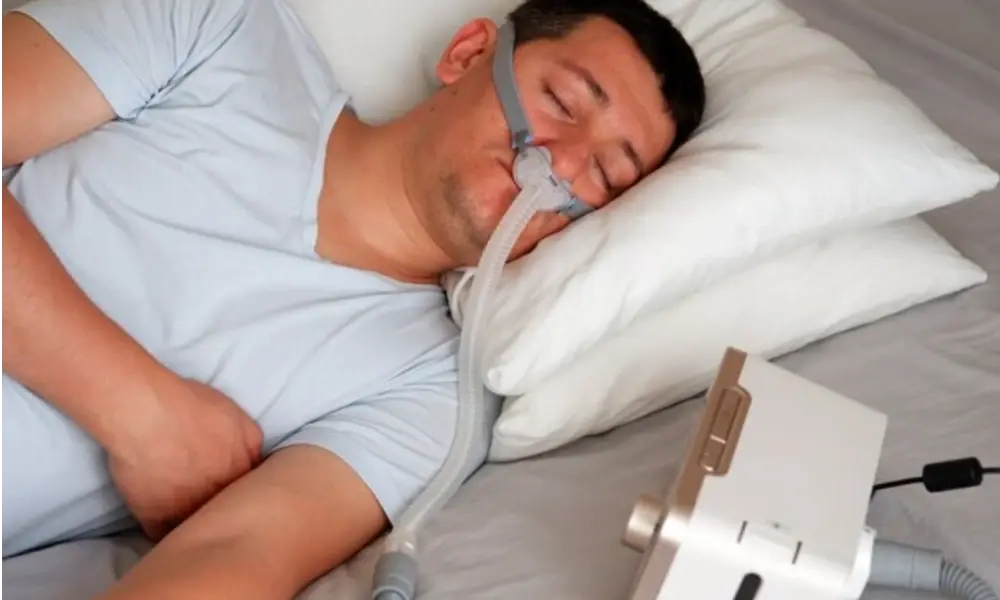
A diagnosis of sleep apnea can initially feel overwhelming, but it often brings relief by finally explaining disrupted sleep patterns and offering a clear path to treatment. For many individuals, continuous positive airway pressure (CPAP) therapy provides an effective solution to restore restful sleep. This treatment involves using a machine that delivers a steady stream of air through a mask to keep the airway open during sleep, preventing the breathing interruptions characteristic of sleep apnea.
Wellness insights
 Brain Wiring Explains Why Trauma Victims Struggle To Find Joy
 Healing Journey: A Therapist Reflects on Processing Deep Childhood Trauma
 Forest walks boost mood through sound and biodiversity awareness
 What Counselling in Two Different Countries Taught Me: Hansel Wong on Connection, Curiosity, and Culture
CPAP machines work by maintaining gentle air pressure, which prevents the collapse of soft tissues in the throat that cause apnea episodes. Consistent use can significantly improve sleep quality, reduce daytime fatigue, and lower associated health risks such as hypertension and heart disease. Choosing the right device depends on factors like comfort, mask fit, noise level, and portability, with options ranging from basic models to advanced units featuring humidifiers and data tracking.
How Can You Ensure Long-Term Success with CPAP Therapy?
Modern CPAP machines come with various features designed to enhance user comfort and adherence. Auto-adjusting models automatically modify pressure levels throughout the night based on breathing patterns, while fixed-pressure devices deliver a constant setting. Humidifiers help prevent dryness and irritation, especially in colder climates. Noise levels vary, with newer models operating quietly to minimize disturbance. Data recording capabilities allow users and healthcare providers to monitor usage and effectiveness over time.
Success with CPAP therapy often hinges on finding a mask that fits well and feels comfortable, as discomfort is a common reason for discontinuation. Working closely with a sleep specialist or respiratory therapist can help fine-tune settings and address issues like mask leaks or nasal congestion. Regular cleaning of equipment is essential to maintain hygiene and device longevity. Many users report noticeable improvements in energy and mood within weeks of consistent use, reinforcing the value of sticking with treatment.
What is the main purpose of a CPAP machine? A CPAP machine delivers continuous air pressure to keep the airway open during sleep, preventing pauses in breathing caused by sleep apnea.
Frequently Asked Questions
How do I know if my CPAP pressure setting is correct? The appropriate pressure level is determined during a sleep study and should only be adjusted under the guidance of a healthcare provider based on your breathing data and comfort.
Can I travel with a CPAP machine? Yes, most CPAP devices are travel-friendly, with compact designs and optional battery packs or universal power adapters for use on the go.