
Understanding Specialized Therapeutic Focus Areas
The counseling profession offers diverse career paths across multiple specializations and settings, shaping how practitioners support various populations. Professionals entering this field must navigate numerous therapeutic approaches to address specific client needs effectively.
Wellness insights
 Simple Daily Habits to Support Mental Wellness in Recovery
 Mankeeping: Measuring the Hidden Emotional Labor Women Do for Partners’ Social Lives
 The Profound Transformation of Parental Loss
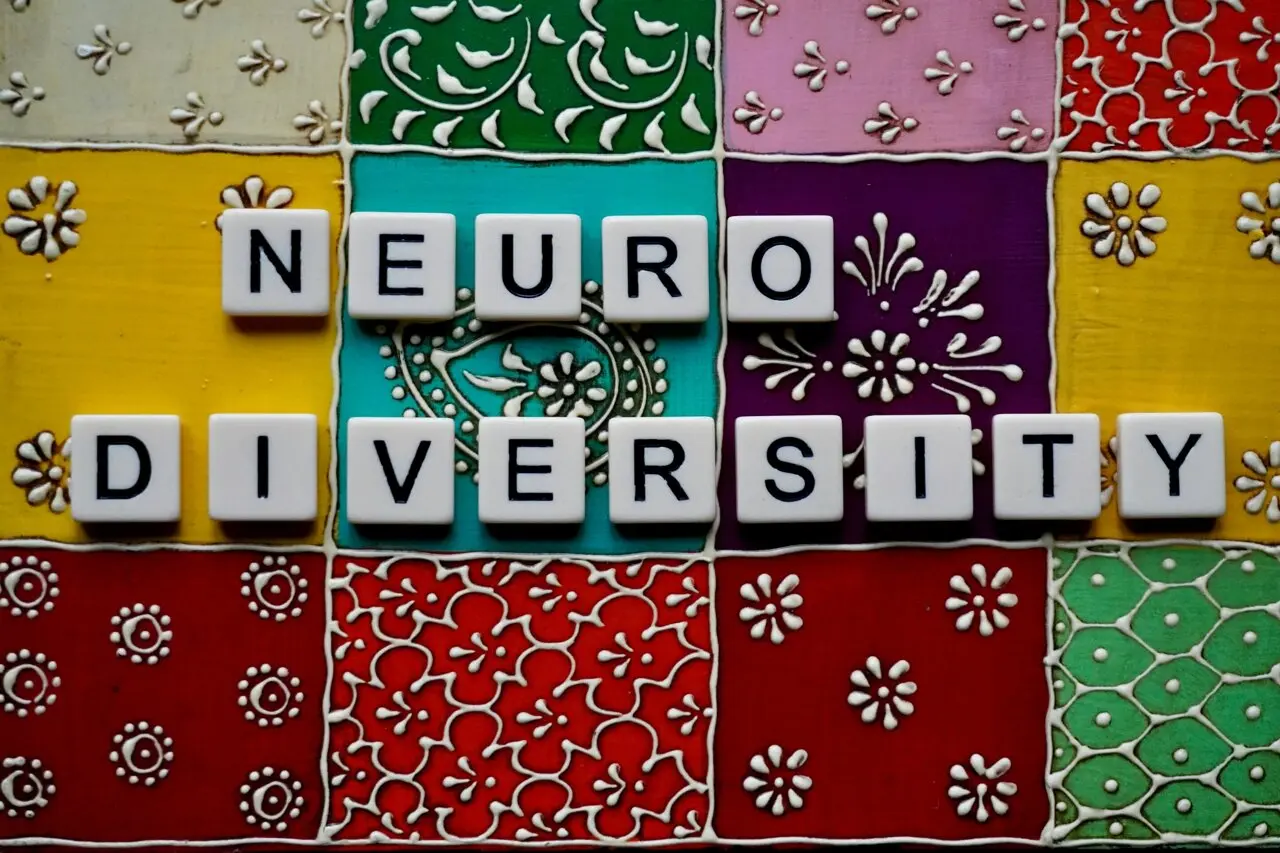 Inconsistent Use of ‘Neurodiversity’ and ‘Neurodivergence’ Complicates Research and Care
Therapeutic specializations allow practitioners to focus on distinct demographic groups or behavioral challenges. Each path requires targeted training to handle the unique circumstances of patients, ranging from youth development to adult mental health issues. Practitioners often work within specialized frameworks designed to promote psychological wellness.
Specialized counseling encompasses diverse areas such as marriage guidance, substance abuse treatment, and educational advising. Marriage and family therapists examine interpersonal dynamics to resolve domestic conflicts. Meanwhile, addiction specialists focus on behavioral dependencies and recovery strategies.
Where Do Professional Counselors Practice Daily?
Educational advisors operate within academic institutions to guide students through developmental milestones and career choices. Rehabilitation professionals assist individuals with physical or cognitive disabilities to regain independence. Each specialization demands a specific skill set tailored to the targeted client population.
Work environments vary significantly depending on the chosen specialization and target demographic. Practitioners operate in private practices, hospitals, schools, and community mental health centers.
Private practices offer flexibility and direct client autonomy. Institutional settings, such as hospitals and universities, provide structured environments with multidisciplinary teams. These settings influence daily routines, caseloads, and the overall scope of practice for mental health professionals.
Frequently Asked Questions
Long-term career prospects remain strong as public awareness of mental health continues to expand. Professionals who secure specialized training often find increased opportunities for career advancement and leadership roles. The ongoing demand for targeted mental health interventions ensures a dynamic and evolving employment landscape.
What education is typically required to become a professional counselor? Most counseling roles require at least a master's degree in counseling or a related field. Practitioners must also complete supervised clinical hours to obtain state licensure.
Can counselors switch their specialization mid-career? Many professionals transition between specializations by completing additional coursework or certifications. Core therapeutic skills often transfer easily across different practice areas.