A New Era in Cancer Treatment?
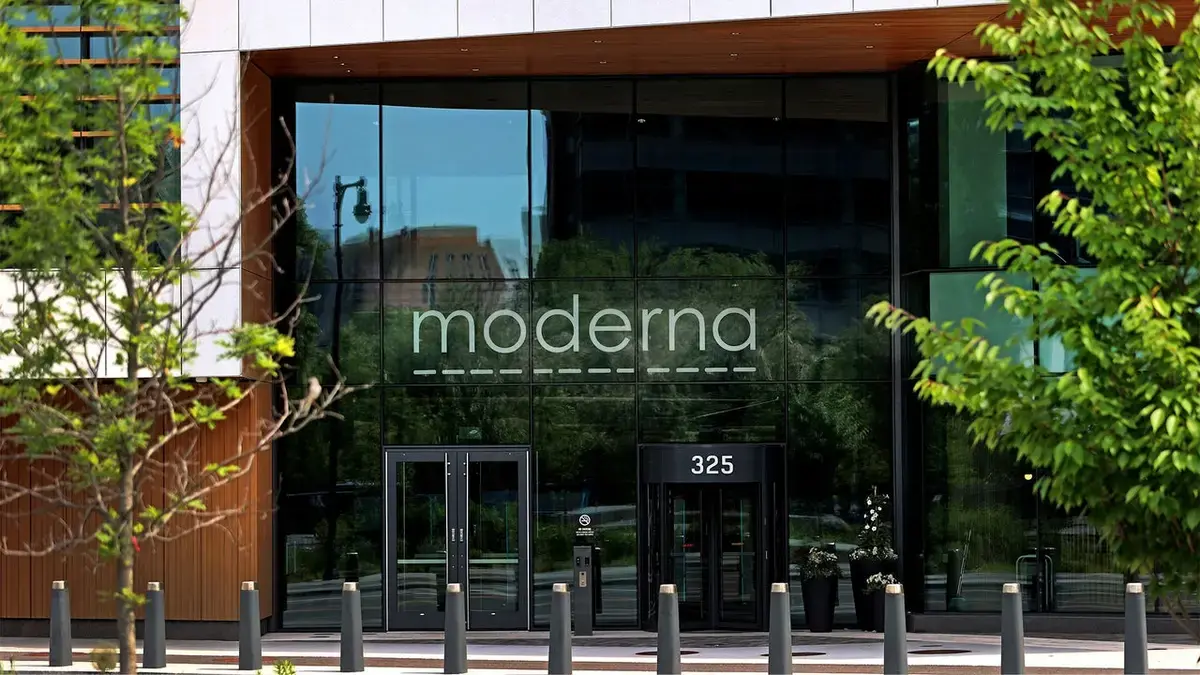
Moderna and Merck have announced that their personalized mRNA-based cancer vaccine, developed for patients with high-risk melanoma, has achieved initial success in a late-stage clinical trial. This study, which includes 1,137 participants whose tumors have been surgically removed, marks a significant step in cancer treatment innovation.
Wellness insights
 Personality Traits Predict Speed of Depression Recovery
 Depression and anxiety rival chronic illness in health impact
 Brain Healing After Alcohol Cessation Lacks Fixed Timeline
 Brain Wiring Explains Why Trauma Victims Struggle To Find Joy
The trial combines Moderna's mRNA technology with Merck's immunotherapy drug, Keytruda. Initial results indicate that the treatment met its primary endpoint, which is a crucial milestone. This collaboration aims to harness the power of mRNA, traditionally used in vaccines, to create a targeted approach against cancer cells.
The ongoing research focuses on patients at high risk of melanoma recurrence. By using a personalized vaccine approach, the treatment is designed to train the immune system to recognize and attack cancer cells more effectively. This method could potentially change how melanoma and other cancers are treated by offering a tailored solution rather than a one-size-fits-all approach.
What Does This Mean for Patients?
Merck's Chief Medical Officer, Dr. Roy Baynes, expressed optimism about the trial's findings, stating that they reflect the potential of mRNA technology in oncology. The combination of these two therapies could enhance patient outcomes and reduce the likelihood of cancer returning after surgery.
For patients diagnosed with high-risk melanoma, these developments could offer new hope. The personalized nature of the vaccine means that it may be more effective for individual patients compared to traditional therapies. If the trial continues to show positive results, it could pave the way for regulatory approval and broader use in clinical settings.
As the trial progresses, investors are taking notice. Moderna's stock price has surged following the announcement, reflecting market confidence in the potential success of this innovative treatment. If approved, this mRNA cancer vaccine could revolutionize cancer care and significantly impact the pharmaceutical landscape.
Frequently Asked Questions
What is the main goal of the Moderna and Merck trial? The primary goal is to evaluate the effectiveness of a personalized mRNA cancer vaccine in preventing melanoma recurrence after surgery.
How many patients are involved in the trial? The trial includes 1,137 patients diagnosed with high-risk melanoma who have undergone surgical removal of their tumors.
What could be the future implications of this trial? If successful, this trial could lead to new treatment options for melanoma patients and inspire further research into mRNA technology for other cancers.