Active Choice Over Passive Indifference
Researchers at the University of Iowa have discovered that individuals with specific frontal lobe damage still choose to engage in empathy tasks. This finding challenges long-standing theories about emotional indifference caused by brain trauma. The study was published in Social Cognitive and Affective Neuroscience. It provides new insights into how we understand social behavior after injury.
Wellness insights
 Social support networks of older adults before, during and after the COVID-19 pandemic
 College Mental Health Crisis Shows Signs of Easing
 Why Depression Subtypes Matter: 25 Years of Clinical Lessons
 Choosing Adjunctive Therapy for Major Depressive Disorder: A Focus on Non-Negotiables
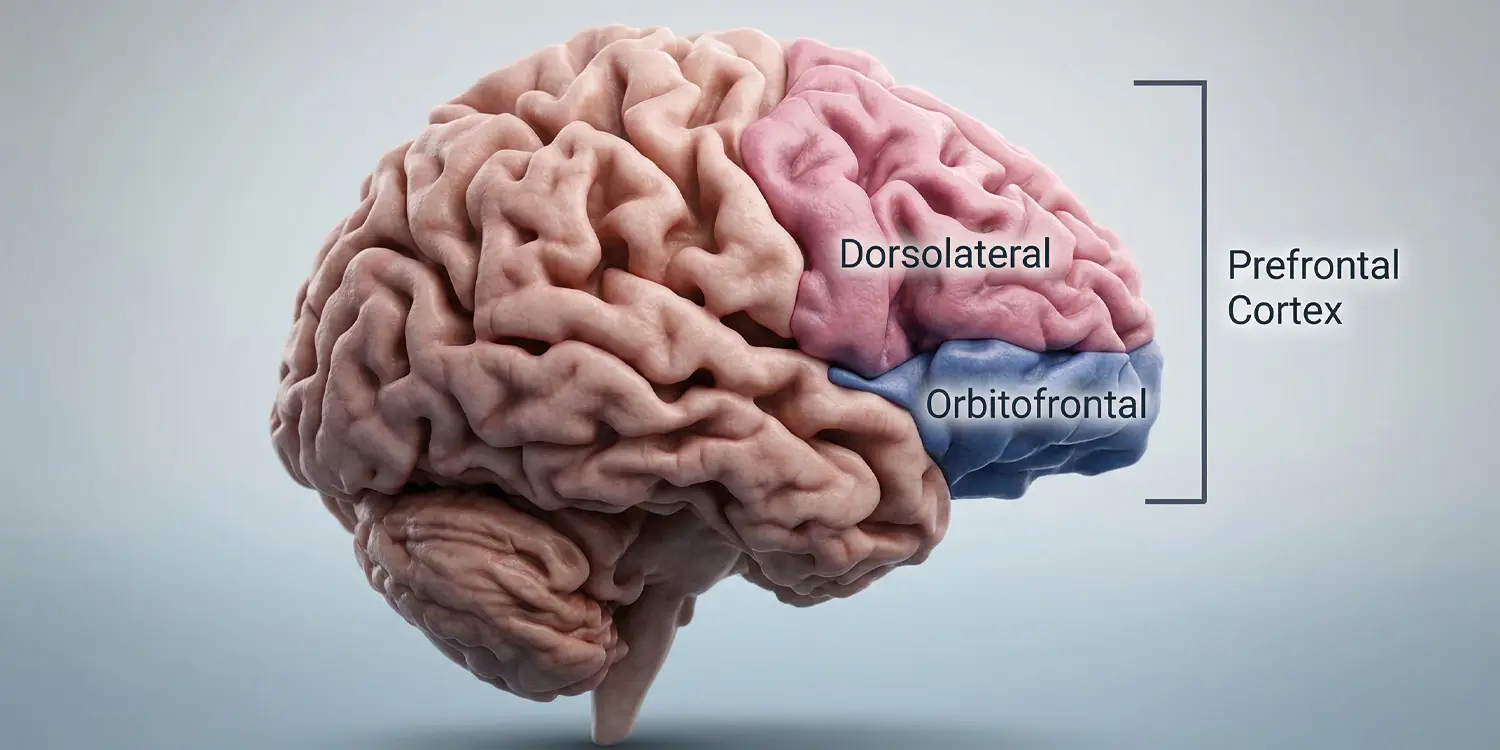
The team focused on the ventromedial prefrontal cortex. This is a region located in the lower front part of the brain. Historically, this area is associated with regulating social interactions and emotions. Damage here has often been linked to a lack of concern for others. However, previous studies relied heavily on self-reported measures or observational data. This new research took a different approach by measuring actual behavioral choices in a controlled environment.
The core of the experiment involved asking participants to select between different tasks. Some tasks were designed to induce empathy, while others were not. Participants included those with localized damage to the ventromedial prefrontal cortex. They were compared against healthy adults and patients with injuries in other brain regions. The results showed no significant difference in who chose the empathy tasks. Patients with the specific frontal damage opted in just as frequently as everyone else. This suggests that the will to empathize remains intact even when the neural machinery is compromised.
Does Physical Damage Change Social Motivation?
The distinction is critical. Feeling empathy is different from wanting to feel it. The study indicates that the desire to connect socially persists despite physical limitations. This aligns with historical cases like Phineas Gage, whose accident in 1848 changed our understanding of personality. Gage’s case demonstrated how frontal damage could alter social conduct. Yet, modern data suggests that the fundamental drive for social connection might be more resilient than previously thought. The researchers argue that earlier conclusions of total indifference were perhaps too broad.
This question lies at the heart of the new findings. If someone cannot easily feel what others feel due to brain damage, do they still care? The answer appears to be yes. The study highlights a separation between the capacity for empathy and the motivation to practice it. Participants with the specific injury did not avoid empathy-inducing scenarios. Instead, they engaged with them at rates similar to healthy controls. This implies that social motivation is not solely housed in the damaged region. Other parts of the brain likely support the drive to understand others.
Frequently Asked Questions
The implications extend beyond neuroscience. Understanding this distinction helps clinicians design better therapies. If patients still want to empathize, therapeutic interventions can focus on building new pathways. It also shifts the narrative for families dealing with brain-injured loved ones. The person may struggle with execution, but the underlying intent remains. This nuance prevents premature labeling of patients as emotionally detached.
Does this mean people with frontal damage feel normal? No, the study measures the choice to engage, not the depth of feeling. Patients may still experience difficulty generating empathic responses, but they actively seek out situations where they can try.
How does this change past research on Phineas Gage? It refines rather than overturns the history. While Gage showed behavioral changes, this data suggests the motivation for social connection survives even when the specific brain area is injured.