The Power of Non-Judgmental Awareness
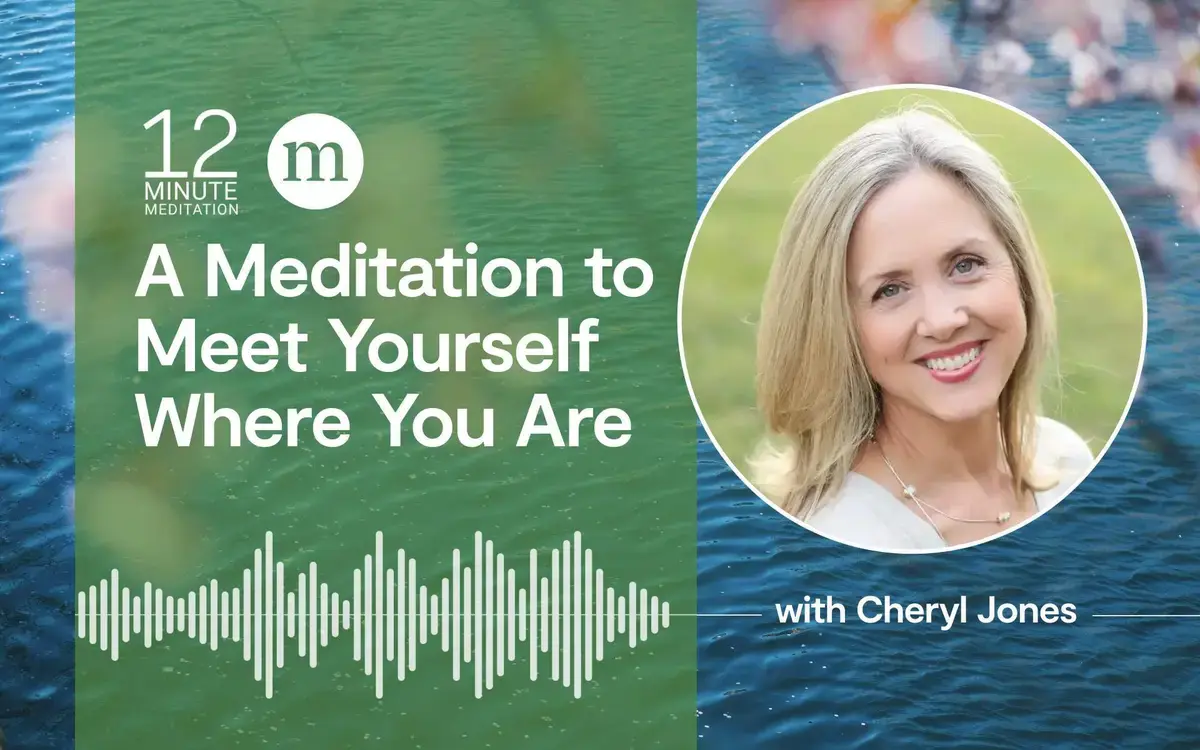
Cheryl Jones, a mindfulness instructor, guides a practice focused on self-acceptance. This meditation aims to help individuals embrace their current state, regardless of challenges. It’s designed for anyone seeking a gentler approach to self-improvement. The practice centers on being present with oneself.
Wellness insights
 Simple Workplace Activities Can Boost Mental Health and Employee Wellbeing
 Virtual Reality Redefines Brain Training Through Immersive Feedback
 Light weightlifting boosts mood in anxious young women
 How Anxiety and Face Gender Shape Emotional Processing in Children
Mindfulness meditation encourages a shift in perspective. Instead of striving to fix ourselves, it proposes working with our existing conditions. This is particularly helpful for those recovering from perfectionistic tendencies. The core idea is acceptance, not change, as the starting point.
Jones emphasizes the importance of simply being with ourselves. This means acknowledging thoughts and feelings without immediate judgment. Many people automatically criticize their inner experiences. Mindfulness offers a different path: observation. It's about noticing what is, not what should be.
Can Mindfulness Truly Shift Our Relationship with Ourselves?
This practice isn't about suppressing difficult emotions. It’s about creating space around them. By observing feelings without getting swept away, we gain a degree of freedom. We begin to see that emotions are temporary states, not defining characteristics. This can be incredibly liberating, especially during times of stress or healing.
Working with ourselves, rather than on ourselves, is a subtle but powerful distinction. Traditional self-improvement often focuses on identifying flaws and implementing solutions. Mindfulness proposes a different approach. It suggests that true growth comes from understanding and accepting our inherent imperfections.
The practice involves a willingness to meet ourselves exactly where we are. This means acknowledging our strengths and weaknesses, our joys and sorrows. It's about recognizing the full spectrum of human experience. This acceptance isn’t passive resignation. It’s a foundation for genuine growth and resilience.
By cultivating non-judgmental awareness, we can begin to break free from self-criticism. We can learn to treat ourselves with the same kindness and compassion we would offer a friend. This shift in perspective can have a profound impact on our overall well-being. It fosters a sense of inner peace and allows us to navigate life’s challenges with greater ease.
Frequently Asked Questions
What if I struggle with difficult emotions during meditation? It's normal to experience challenging feelings. Simply acknowledge them without judgment, and gently return your focus to your breath. Remember, the goal isn't to eliminate difficult emotions, but to relate to them differently.
Is this meditation only for people who are already stressed? No, this practice is beneficial for anyone. It can help cultivate self-awareness and acceptance, even in the absence of significant stress. It’s a proactive way to nurture your mental and emotional health.
How long should I practice mindfulness meditation? Even a few minutes each day can be helpful. Start with a short session and gradually increase the duration as you become more comfortable. Consistency is more important than length.
