
Study Design and Clinical Findings
A double‑blind trial involving 124 patients with advanced dementia was presented at the Alzheimer’s Association International Conference in July 2026. Researchers administered a combination of tetrahydrocannabinol (THC) and cannabidiol (CBD) to participants in hospice care, reporting that nearly nine‑in‑ten showed measurable reductions in agitation within two weeks.
Wellness insights
 Brain Wiring Explains Why Trauma Victims Struggle To Find Joy
 Healing Journey: A Therapist Reflects on Processing Deep Childhood Trauma
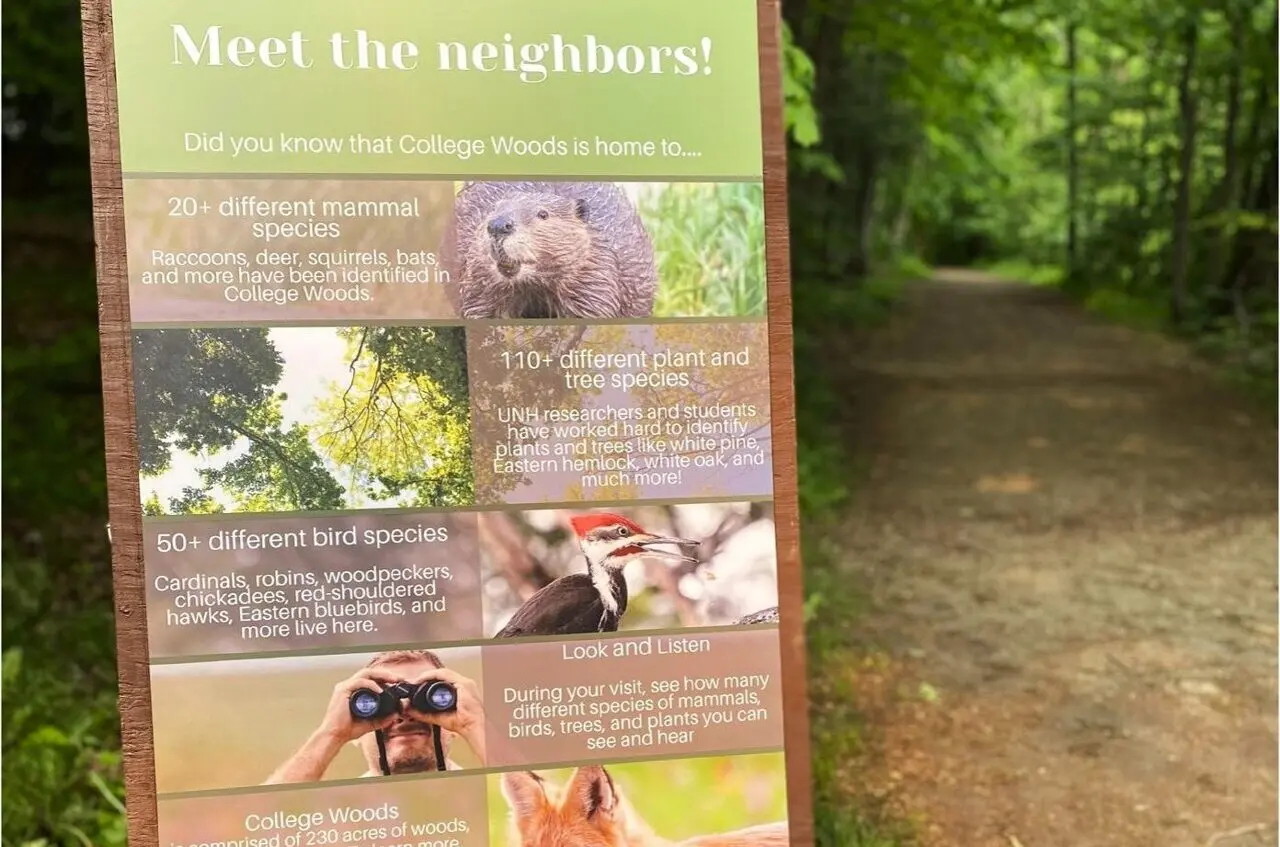 Forest walks boost mood through sound and biodiversity awareness
 What Counselling in Two Different Countries Taught Me: Hansel Wong on Connection, Curiosity, and Culture
The study aimed to address a persistent challenge in end‑of‑life care: severe restlessness that often resists conventional medication. Participants received a low‑dose oral formulation containing 2.5 mg THC and 5 mg CBD twice daily. Researchers tracked agitation scores using the Cohen‑Mansfield Agitation Inventory, alongside safety markers such as heart rate and liver enzymes. The THC‑CBD blend produced a mean score drop of 35 %, while the placebo group showed no significant change. No serious adverse events were recorded, and mild side effects—dry mouth and transient dizziness—resolved without intervention.
The trial enrolled patients from three U. S. hospice facilities, ensuring a diverse sample in age, gender, and underlying dementia type. Randomization was stratified by baseline agitation severity to avoid bias. Investigators blinded both participants and clinicians to treatment allocation, preserving the integrity of outcome assessments.
Can Cannabis Compounds Be Safely Used in End‑of‑Life Care?
At day 14, 88 % of the treatment group achieved a clinically meaningful reduction in agitation, defined as a 20‑point drop on the inventory. Secondary outcomes revealed improved sleep quality and reduced caregiver stress, as measured by the Zarit Burden Interview. Blood tests indicated stable hepatic function, and electrocardiograms remained within normal limits throughout the study period.
Safety concerns have limited the adoption of cannabis‑derived medicines in vulnerable populations. This trial’s findings suggest that low‑dose THC‑CBD combinations can be administered without compromising cardiovascular or hepatic health. Researchers emphasized the importance of titrating doses gradually and monitoring patients for psychoactive effects.
The authors recommend that hospice programs consider integrating cannabinoid therapy as an adjunct to existing antipsychotics, especially when patients exhibit refractory agitation. They caution that larger, multi‑center studies are needed to confirm long‑term safety and to explore optimal dosing schedules.
The positive results may reshape palliative strategies for dementia, offering a non‑opioid option that eases distress for patients and families alike. If subsequent trials replicate these outcomes, regulatory bodies could endorse cannabinoid formulations for hospice use, expanding therapeutic choices in a field that has long relied on limited pharmacologic tools.
Frequently Asked Questions
What dosage of THC and CBD was used in the trial? Patients received 2.5 mg of THC and 5 mg of CBD twice daily, a regimen chosen to balance efficacy with minimal psychoactive impact.
Did the study observe any serious side effects? No serious adverse events occurred. Mild effects such as dry mouth and brief dizziness were reported but resolved without medical intervention.
Is this treatment suitable for all dementia patients? The trial focused on individuals in end‑of‑life hospice care with severe agitation. Further research is required to determine its suitability for earlier stages of dementia or other neuropsychiatric conditions.