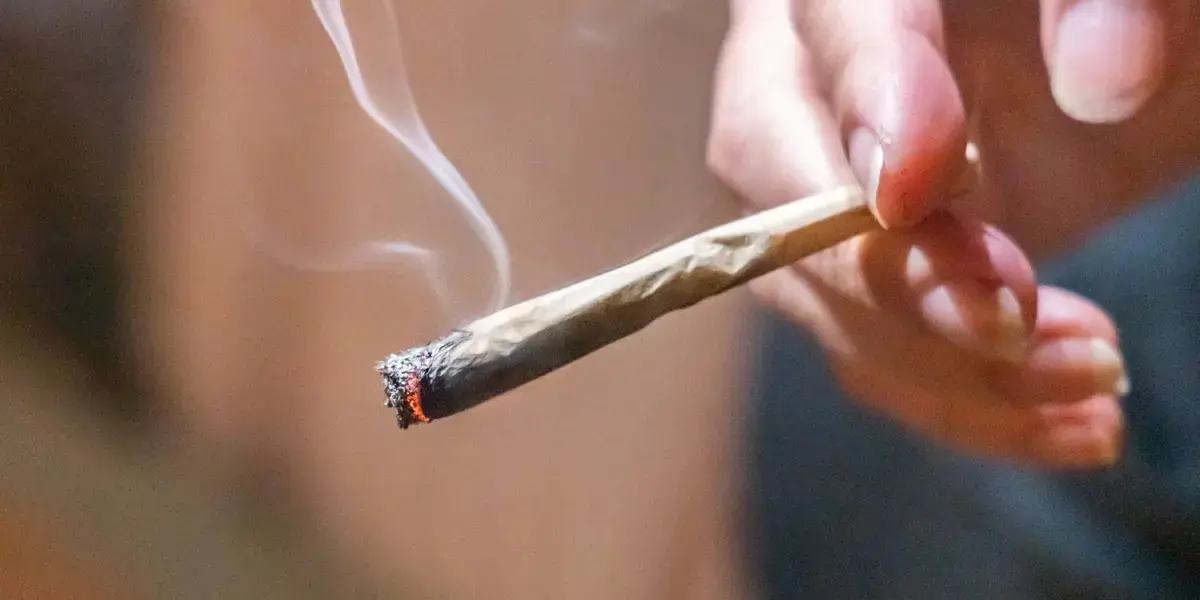
Bipolar Vulnerability Heightens Cannabis Interference
A team of researchers surveyed college students nationwide during the 2023 academic year. Participants completed risk assessments for bipolar spectrum disorders and reported how cannabis use affected their daily routines. Those identified as having a higher bipolar risk described more frequent interruptions to school, work, and social activities due to cannabis.
Wellness insights
 Brain Wiring Explains Why Trauma Victims Struggle To Find Joy
 Healing Journey: A Therapist Reflects on Processing Deep Childhood Trauma
 Forest walks boost mood through sound and biodiversity awareness
 What Counselling in Two Different Countries Taught Me: Hansel Wong on Connection, Curiosity, and Culture
The investigation aimed to clarify the ambiguous link between mood elevation and cannabis consumption. Researchers gathered self‑reported data on mood, substance use, and functional outcomes. Results showed a clear pattern: students with elevated bipolar risk experienced more cannabis‑related disruptions, even though they also reported higher levels of natural positive affect. The findings suggest that underlying mood vulnerability may magnify the impact of cannabis on everyday functioning.
Students scoring high on bipolar risk scales reported missed classes, reduced academic performance, and strained relationships after using cannabis. Interview excerpts revealed participants feeling „out of control” when cannabis amplified their mood swings. The study controlled for overall consumption volume, indicating that the severity of disruption stems from the interaction between mood susceptibility and cannabis effects, rather than sheer quantity used. Researchers propose that heightened emotional reactivity in at‑risk individuals may turn otherwise mild intoxication into a destabilizing experience.
Does Cannabis Use Exacerbate Mood Swings in At‑Risk Students?
The data imply a bidirectional relationship. While cannabis can temporarily boost positive emotions, those with bipolar tendencies may find the high less sustainable, leading to rapid mood declines. Participants noted that after the initial euphoria, they often entered periods of irritability or low energy, interfering with study habits and social commitments. Clinicians caution that such fluctuations could trigger or worsen manic or depressive episodes, especially in a population already prone to mood instability.
The study’s implications reach beyond campus health services. Universities may need to tailor counseling and prevention programs to address the unique risks faced by students vulnerable to bipolar disorders. Early screening for mood disorders, combined with education about cannabis’s potential to disrupt daily life, could reduce academic setbacks and improve overall wellbeing. Future research should explore whether targeted interventions can mitigate these disruptions and whether similar patterns appear in other age groups.
Frequently Asked Questions
What defines „higher risk” for bipolar spectrum disorders in this study? Researchers used validated screening tools that assess mood elevation, energy levels, and impulsivity. Scores above a predetermined threshold indicated elevated bipolar risk.
Can occasional cannabis use still cause significant disruptions for at‑risk students? Yes. The study found that even moderate, non‑daily use correlated with notable functional impairments among those with bipolar vulnerability.
What steps can colleges take to support students facing this dual challenge? Institutions should integrate mental‑health screenings with substance‑use education, provide counseling focused on mood regulation, and create safe spaces for students to discuss cannabis‑related concerns without stigma.