Decoding the Tumor Shield
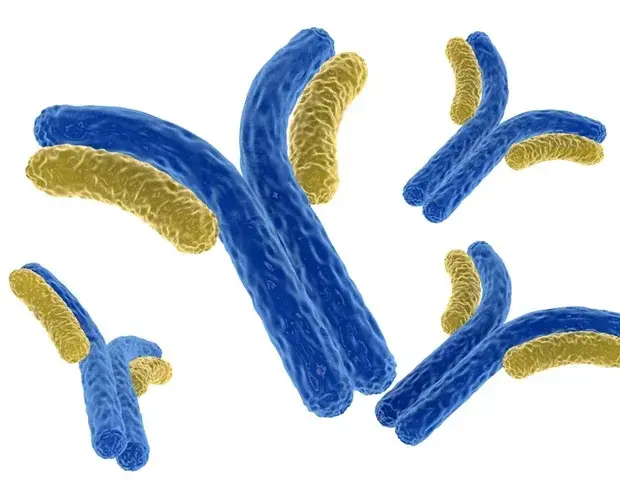
Vanderbilt University researchers, led by Dr. Eben Rosenthal, have unveiled a new platform. It pinpoints obstacles preventing therapeutic antibodies from reaching solid tumors. The research, a collaboration with Stanford University, focuses on understanding drug delivery challenges. It was published June 3, 2026.
Wellness insights
 Brain Wiring Explains Why Trauma Victims Struggle To Find Joy
 Healing Journey: A Therapist Reflects on Processing Deep Childhood Trauma
 Forest walks boost mood through sound and biodiversity awareness
 What Counselling in Two Different Countries Taught Me: Hansel Wong on Connection, Curiosity, and Culture
The team developed a method called single-cell spatial pharmacobiology. This technology maps where drugs go inside tumor tissue. It reveals how the tumor environment hinders antibody effectiveness. This is a major problem in cancer treatment, limiting the impact of promising therapies.
Solid tumors create a complex barrier against drug penetration. The new platform identifies specific cells and molecules responsible. Researchers discovered that certain immune cells can actually block antibody access. They found variations in the tumor's structural organization also play a role. This hinders even distribution of the therapeutic agent.
Can We Reprogram the Tumor Environment?
Dr. Rosenthal explained the significance. „Understanding these barriers at a single-cell level is crucial.” He added, „It allows us to design strategies to overcome them.” Co-author Dr. Guolan Lu emphasized the platform’s potential. „We can now visualize exactly where the drugs are going, and aren’t going, within the tumor.”
The research suggests manipulating the tumor microenvironment is key. Targeting the identified blocking immune cells could improve antibody delivery. Altering the tumor's physical structure might also enhance drug penetration. Researchers believe combining this approach with antibody therapies could significantly boost treatment outcomes.
This platform isn’t just limited to antibodies. It can be applied to other cancer therapies facing delivery challenges. The team is now exploring ways to translate these findings into clinical applications. They hope to develop personalized treatment strategies based on each patient’s tumor profile. This could lead to more effective and targeted cancer care.
Frequently Asked Questions
What is single-cell spatial pharmacobiology? This innovative technology maps the location of drugs within tumor tissue at the individual cell level. It provides a detailed understanding of how drugs interact with the tumor environment, revealing delivery bottlenecks.
How does this research differ from previous studies? Prior research often looked at overall drug concentration within the tumor. This new platform offers unprecedented resolution, identifying specific cells and structures impacting delivery. It's a much more precise approach to understanding drug behavior.
What are the next steps in this research? The team plans to test potential strategies for overcoming the identified delivery barriers. They will explore ways to reprogram the tumor environment and improve antibody effectiveness in pre-clinical models.