The Shift from Explicit to Implicit Learning
As people age, their ability to coordinate movements and maintain balance begins to decline. This affects their overall quality of life. Researchers have been studying how aging impacts sensorimotor learning. They found significant changes in how older adults learn new motor skills.
Wellness insights
 Brain Wiring Explains Why Trauma Victims Struggle To Find Joy
 Healing Journey: A Therapist Reflects on Processing Deep Childhood Trauma
 Forest walks boost mood through sound and biodiversity awareness
 What Counselling in Two Different Countries Taught Me: Hansel Wong on Connection, Curiosity, and Culture
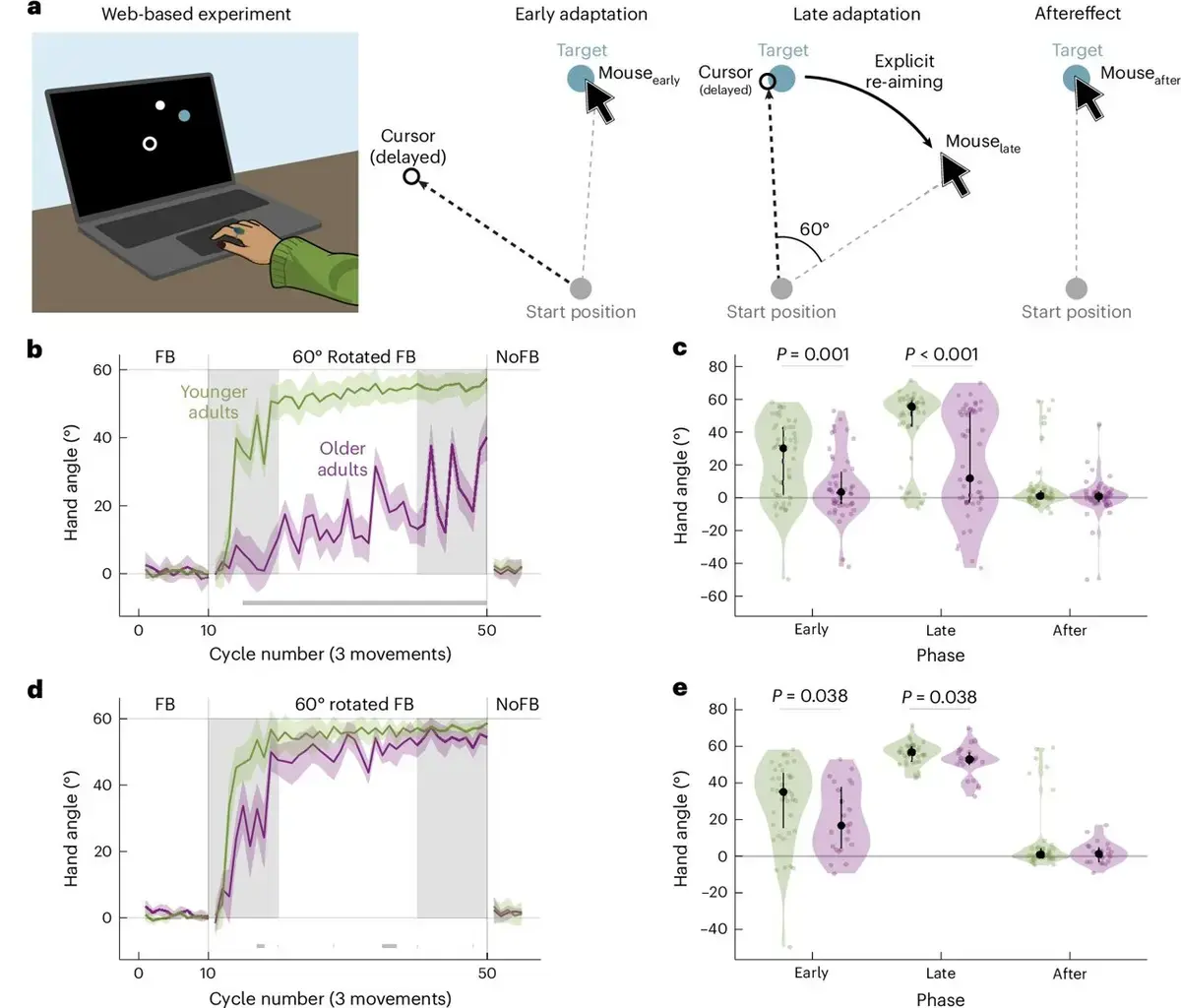
The study examined how older adults adapt to new motor tasks compared to younger individuals. Researchers discovered that older adults rely less on explicit strategies, which involve consciously thinking about movements. Instead, they rely more on implicit adaptation, which is an automatic process.
Older adults showed a reduced ability to use explicit strategies when learning new motor tasks. This was evident in their slower reaction times and less accurate movements. In contrast, their implicit adaptation abilities remained intact, allowing them to adapt to new tasks over time. The researchers suggested that this shift from explicit to implicit learning may be a compensatory mechanism.
Can Older Adults Regain Motor Function?
The findings have implications for understanding the aging process and developing interventions to improve motor function in older adults. The study's results indicate that older adults may benefit from training programs that focus on implicit learning. This could help them adapt to new motor tasks more effectively.
The study's results raise questions about whether older adults can regain their motor function through targeted training. Researchers believe that understanding the changes in sensorimotor learning that occur with aging is crucial for developing effective interventions. By focusing on implicit learning, older adults may be able to improve their motor abilities.
As the global population ages, understanding the impact of aging on motor function becomes increasingly important. The study's findings highlight the need for further research into the mechanisms underlying sensorimotor learning in older adults.
Frequently Asked Questions
Q: What is the main difference in how older and younger adults learn new motor skills? A: Older adults rely less on explicit strategies and more on implicit adaptation. This shift may be a compensatory mechanism.
Q: Can older adults improve their motor function through training? A: Yes, older adults may benefit from training programs that focus on implicit learning.
Q: What are the implications of the study's findings for older adults? A: The study's results highlight the need for targeted interventions to improve motor function in older adults. Understanding the changes in sensorimotor learning that occur with aging is crucial for developing effective training programs.