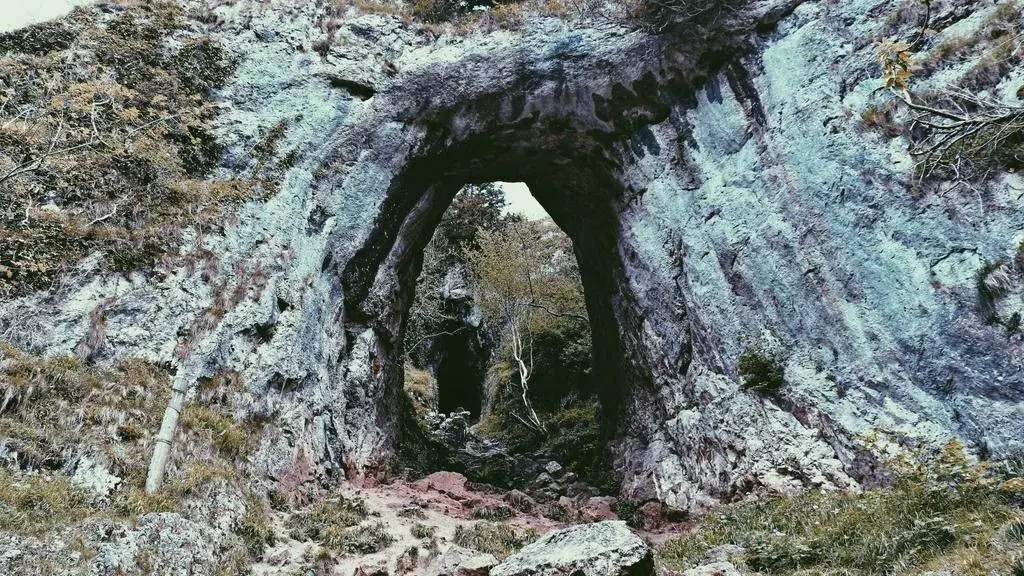
Awe: A Catalyst for Emotional Renewal
A recent study explores how the feeling of awe, often triggered by natural landscapes, can improve mood and health. Researchers examined wilderness therapy trips that combine physical activity with emotional reflection, finding a link between awe and positive mental outcomes.
Wellness insights
 Brain Wiring Explains Why Trauma Victims Struggle To Find Joy
 Healing Journey: A Therapist Reflects on Processing Deep Childhood Trauma
 Forest walks boost mood through sound and biodiversity awareness
 What Counselling in Two Different Countries Taught Me: Hansel Wong on Connection, Curiosity, and Culture
The research focuses on how immersive outdoor experiences elicit awe—a powerful emotion that expands one’s sense of self and perspective. Participants reported increased calmness, reduced anxiety, and a greater sense of connection to others after spending time in wilderness settings. The study suggests that awe may be a key mechanism behind the therapeutic benefits of nature.
How Wilderness Therapy Uses Awe
Awe is described as a state of wonder that challenges existing mental frameworks. In the study, participants who experienced awe during hikes or campfire gatherings reported a measurable drop in cortisol levels, the stress hormone. Researchers believe that awe encourages a shift from self‑centered thinking to a broader, more inclusive worldview. This perspective shift can reduce rumination, a common symptom in depression and anxiety disorders.
One participant noted, „When I looked up at the night sky, I felt so small, yet connected. It made my worries feel less overwhelming.” Such anecdotes highlight the transformative power of awe. The study also found that awe can enhance empathy, leading to stronger social bonds—an essential component of mental health recovery.
Wilderness therapy programs intentionally incorporate awe‑inducing moments. Guided hikes, sunrise observations, and group discussions about natural phenomena are designed to provoke wonder. Therapists note that the combination of physical exertion and awe can amplify the benefits of both. Exercise releases endorphins, while awe rewires the brain’s emotional circuitry.
Can Awe Be Cultivated in Everyday Life?
The study’s data show that participants who engaged in structured awe experiences reported higher levels of life satisfaction than those who only exercised in the wilderness. This suggests that the emotional component is crucial. Program directors emphasize that creating space for awe—through silence, observation, and reflection—can be as important as the physical activities themselves.
The research raises the question: can we deliberately foster awe outside of wilderness settings? Experts propose several strategies, such as spending time in urban parks, attending cultural events, or simply pausing to appreciate a sunset. Mindfulness practices that focus on present‑moment awareness can also trigger awe. While these approaches may not replicate the intensity of a wilderness experience, they can still provide mental health benefits.
The Future of Nature‑Based Mental Health
Future studies aim to test whether short, daily awe practices can produce similar physiological changes, such as reduced cortisol. If proven, these findings could broaden access to nature‑based therapies for people who cannot travel to remote locations.
The study underscores nature’s role as a powerful, low‑cost intervention for mental health. As mental health challenges rise globally, integrating awe‑inducing nature experiences into therapeutic programs could become a standard practice. Policymakers and healthcare providers may consider funding community gardens, park maintenance, and outdoor recreation programs as part of mental health care. The research suggests that fostering awe in everyday life could help reduce stress, improve mood, and strengthen social connections, offering a hopeful path forward for individuals and communities alike.
What is the main takeaway from the study? The study shows that the emotion of awe, often experienced in nature, can lower stress hormones, improve mood, and strengthen social bonds, making it a powerful tool for mental health.
Frequently Asked Questions
How can I experience awe without going on a wilderness trip? You can cultivate awe by observing natural scenes, practicing mindfulness, attending cultural events, or simply taking quiet moments to appreciate beauty in your surroundings.
Are there any risks associated with wilderness therapy? While generally safe, wilderness programs should be supervised by trained professionals to manage physical risks and ensure emotional support for participants.