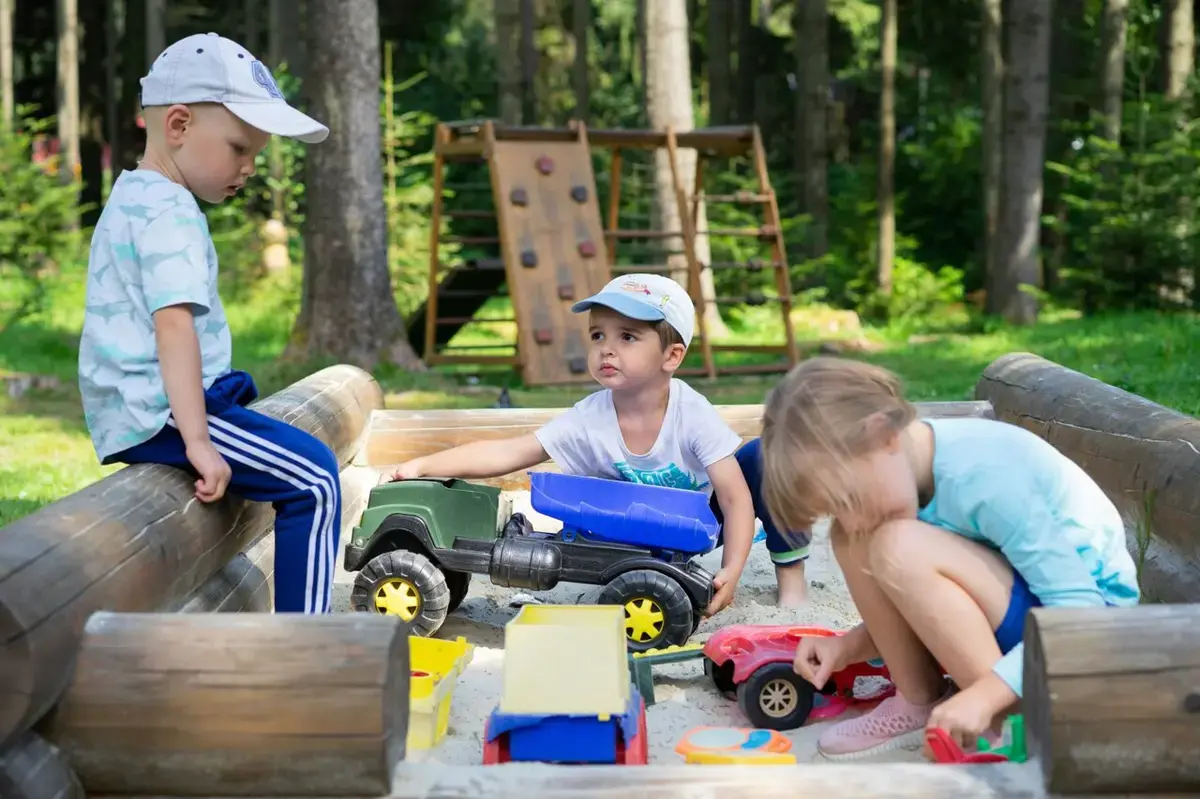
Nature’s Role in Emotional Growth
A new study reveals a strong connection between outdoor playtime during early childhood and improved mental health years later. Researchers focused on children aged two to four, finding those with more outdoor exposure showed fewer emotional difficulties by age eight. The University of Exeter conducted the research.
Wellness insights
 Mindfulness Program Cuts Depression Relapse Risk for New Mothers
 Measuring Eudaimonic Growth in Therapy Settings
 Hidden Hurts Behind Wealth and Privilege
 Unlocking Peak Performance Through Brain Chemistry
The study examined data from over 4,500 children. It tracked their playtime habits and later assessed their mental wellbeing. Results indicated a clear trend: increased outdoor play correlated with reduced instances of emotional symptoms. This suggests early experiences significantly shape later emotional development.
Researchers believe outdoor play provides crucial opportunities for development. These experiences foster resilience and emotional regulation. Exposure to natural environments stimulates different senses. This stimulation can help children learn to cope with stress and build self-confidence.
Can Playtime Truly Prevent Problems?
„Our findings suggest that encouraging outdoor play in early childhood could be a valuable preventative measure,” explained a researcher involved in the study. „It’s not just about physical activity; it's about the unique benefits nature offers for emotional wellbeing.” The study controlled for various socioeconomic factors to ensure the results were reliable.
The link isn't necessarily causal, researchers caution. It's possible that children already predisposed to better mental health are simply more likely to play outside. However, the strength of the correlation suggests a significant influence. The study highlights the importance of accessible green spaces for all families.
The research underscores a shift in understanding child development. It moves beyond solely focusing on academic skills. Prioritizing emotional wellbeing through natural experiences is now seen as equally crucial. This could influence early childhood education policies and parental practices.
Frequently Asked Questions
Does this mean all children need to be outdoors constantly? Not at all. The study points to the benefits of outdoor play, but balance is key. A combination of indoor and outdoor activities is ideal for healthy development.
How much outdoor play is considered „enough”? The study didn't define a specific amount. However, researchers observed positive effects with even moderate levels of outdoor playtime during the critical two-to-four-year-old age range.
Are there specific types of outdoor play that are most beneficial? While any outdoor play is helpful, unstructured play – allowing children to explore and use their imagination – appears particularly valuable. This fosters creativity and problem-solving skills alongside emotional development.