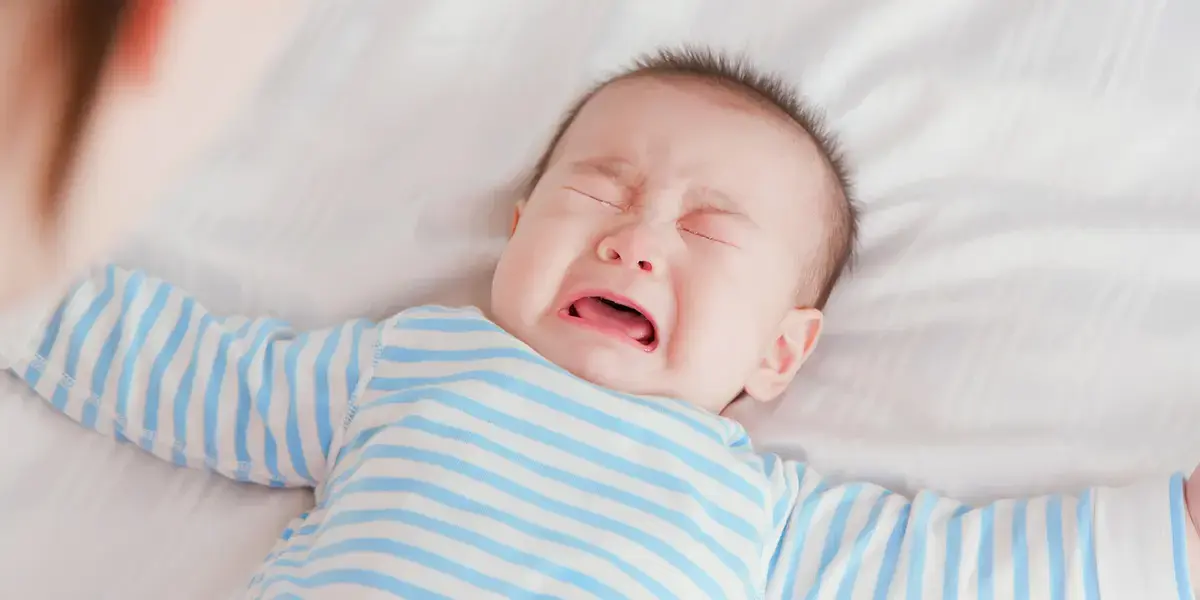
Cultural Crying: A Matter of Attachment or Upbringing?
Researchers compared crying behaviors in infants from different cultures. Korean and Japanese babies cried more when separated from their mothers than US and Czech infants. This study was published in the International Journal of Behavioral Development.
Wellness insights
 Different Brains, Calmer Days: Overcoming the Silent Overlap of Anxiety and ADHD
 Integrated psychotherapy reduces relapse risk in schizophrenia
 The Honest Truth About Aromatherapy Roll-Ons and Mood
 Three Ways Your Brain Rewires Itself After Emotional Abuse
The main psychological framework assumes that intense crying indicates insecure attachment. However, this study suggests that cultural norms may influence infant behavior. The research examined how 18-month-old infants reacted when left alone in an unfamiliar room.
The study found significant differences in crying patterns between East-Asian and Western infants. Korean and Japanese babies cried more intensely when separated from their mothers. In contrast, US and Czech infants were less distressed. This challenges the conventional interpretation of crying as a sign of insecure attachment.
Are Western Standards of Attachment Universally Applicable?
The researchers argue that cultural differences in parenting styles and infant care may contribute to these variations. For example, East-Asian cultures often emphasize interdependence and close mother-child relationships. This could lead to increased distress when infants are separated from their caregivers.
The findings raise questions about the universality of attachment theories developed primarily in Western cultures. If cultural norms influence infant crying behaviors, then attachment assessments may need to be culturally sensitive.
The study's results have implications for understanding infant development across cultures. They suggest that crying patterns should be interpreted within the context of cultural norms and parenting practices. This could lead to a more nuanced understanding of attachment and infant behavior.
Frequently Asked Questions
What did the study compare? The study compared crying behaviors in 18-month-old infants from Korea, Japan, the US, and Czech Republic. It found significant cultural differences.
Does intense crying always indicate insecure attachment? Not necessarily. The study suggests that cultural norms and parenting styles may influence infant crying behaviors.
How might this change our understanding of attachment? It may lead to more culturally sensitive assessments of attachment, recognizing that behaviors like crying can have different meanings in different cultures.