
Emotional Voices Win: Brain Study Explains Cocktail Party Effect
Researchers at the University of Helsinki have uncovered how the human brain selects a single voice in a crowded, noisy environment. Published in The Journal of
Researchers at the University of Helsinki have uncovered how the human brain selects a single voice in a crowded, noisy environment. Published in The Journal of

The Impact of Social Competence on Academic Integration and Well-Being Modern higher education is undergoing a profound transformation. Institutions are shiftin

Researchers examined how structured reading of British and American coming-of-age novels affects children aged 10 to 12. The study focused on this critical deve

Researchers are increasingly linking poor sleep quality to a higher likelihood of developing Alzheimer disease. This connection is not one-way. The condition ca
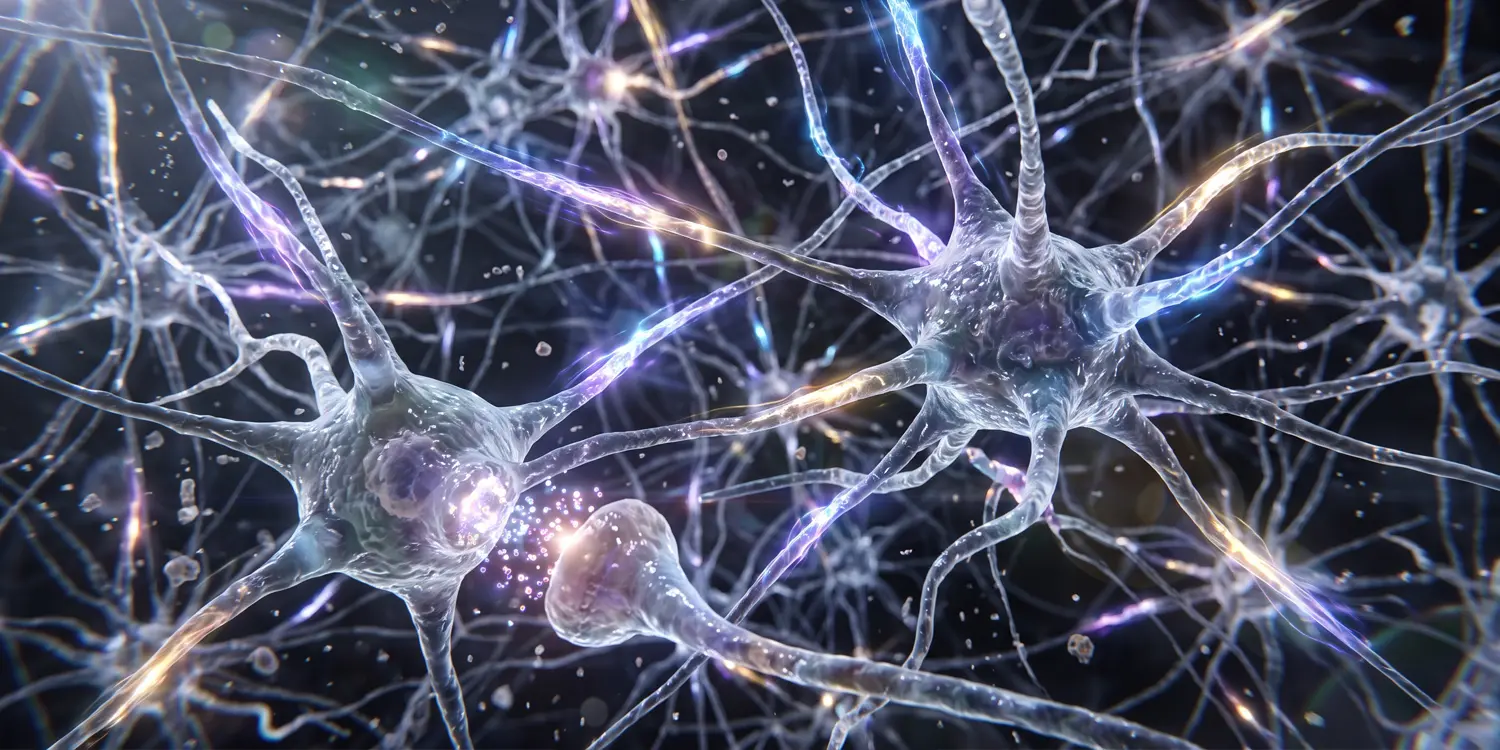
Researchers reveal that lysergic acid diethylamide fundamentally shifts human neural activity by accelerating alpha and beta rhythms while significantly increas

The U.S. Department of Health and Human Services released a revised roadmap on Thursday. This update targets Alzheimer’s disease and related dementias. The new
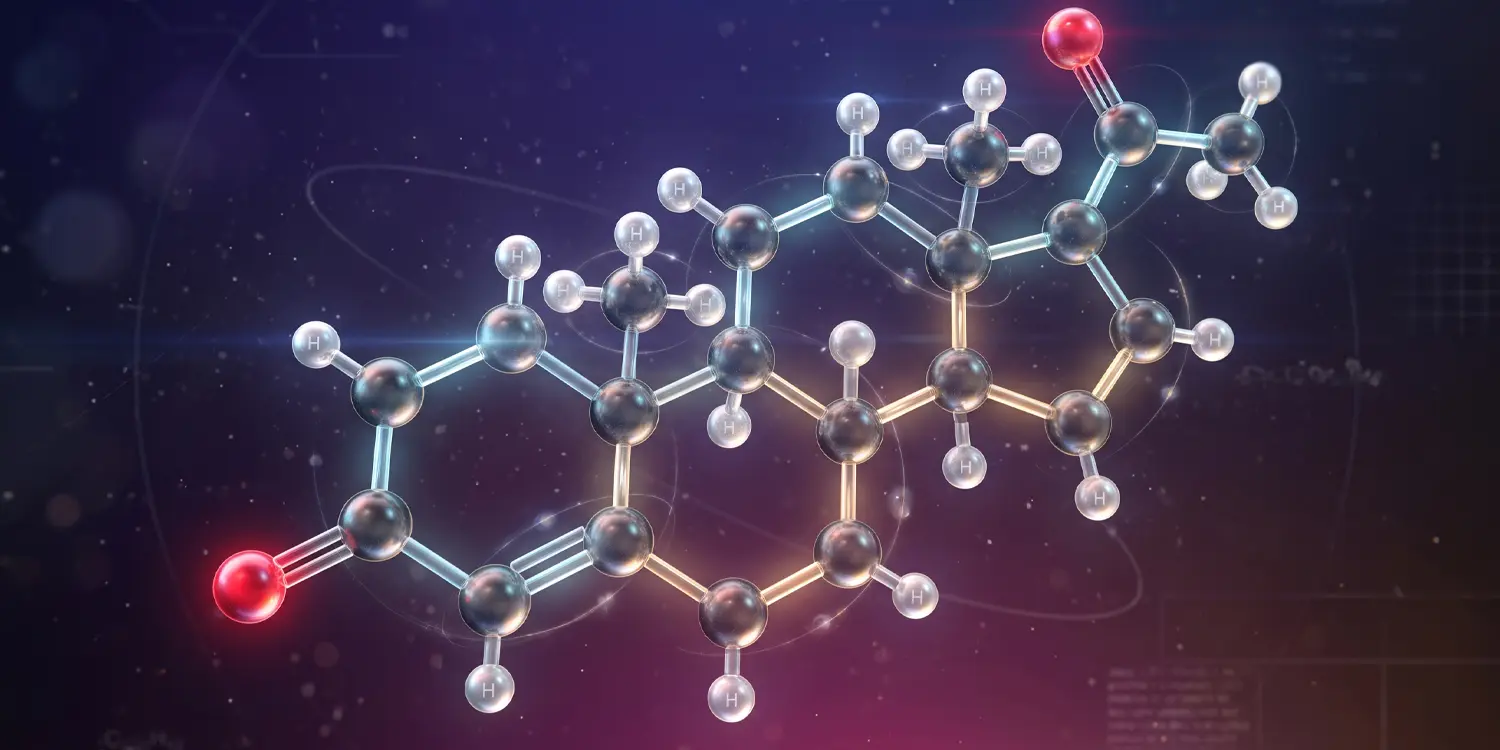
A recent neuroimaging study published in Psychological Medicine reveals that young women with elevated natural progesterone levels exhibit less distinct brain a
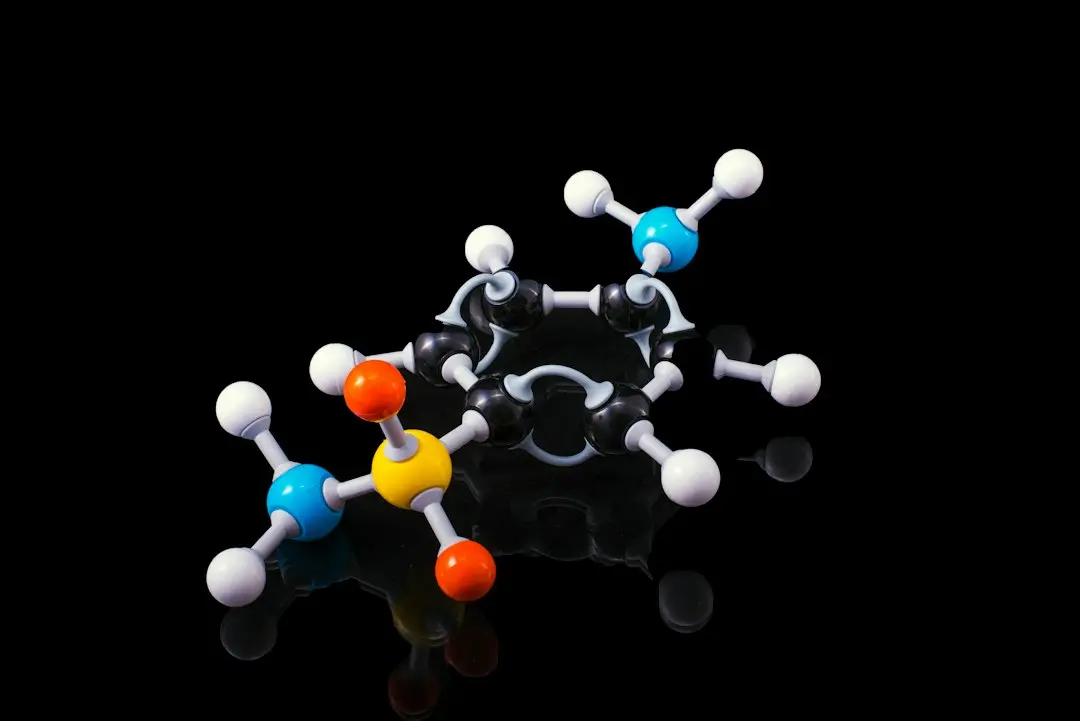
Host Dave Asprey recently welcomed bestselling author Steven Kotler for an in-depth conversation regarding the neuroscience of flow states and peak human perfor

Recovering from alcohol use disorder involves complex neurological changes that do not adhere to a single schedule. Many individuals experience persistent memor
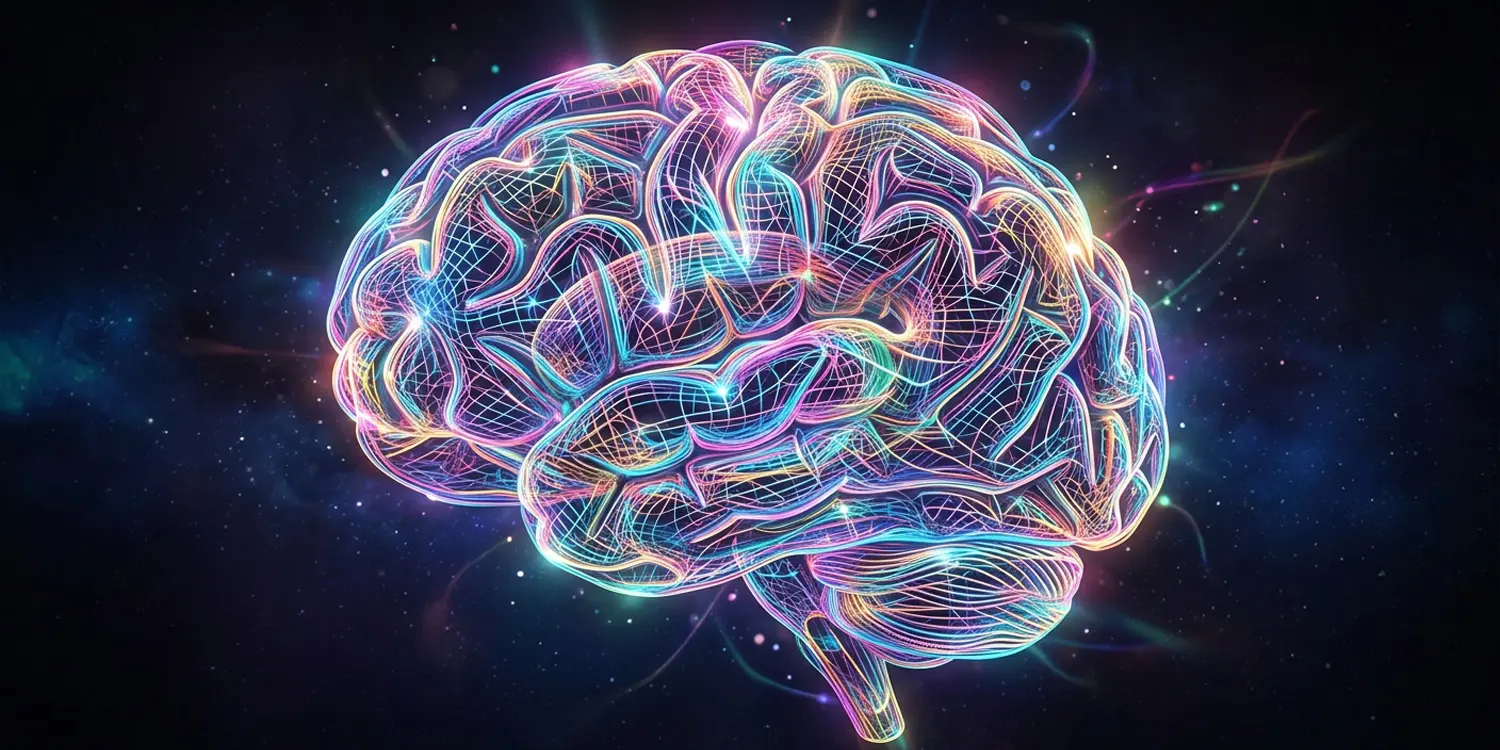
Researchers at a leading neuroscience institution recently published findings in The Journal of Neuroscience. The study focused on young adults who experienced

Recent research suggests that as people age, their brains may shift focus from memorizing specifics to grasping broader concepts, a change that could be more be
Researchers have discovered that childhood maltreatment leaves permanent structural imprints on the human brain. A study published in Addiction Neuroscience ind