The Weight of Emotional Extremes
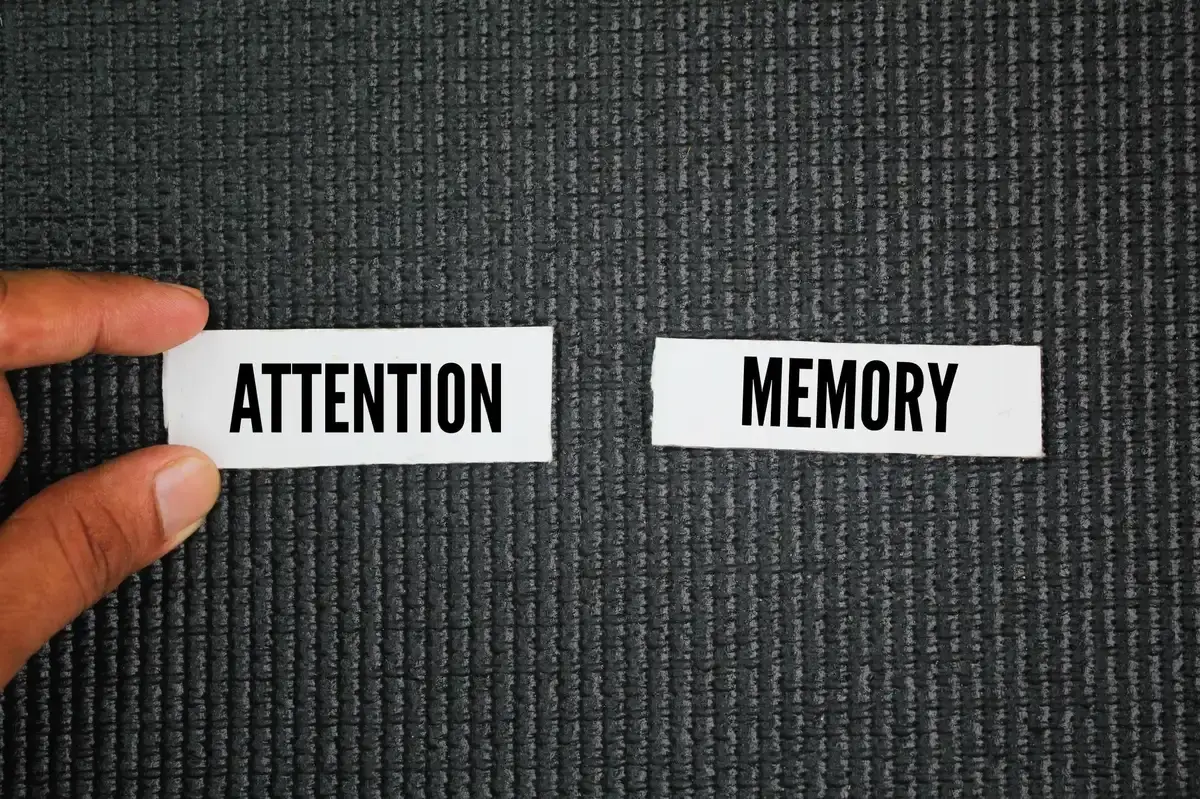
Researchers have developed a new theoretical model explaining why people frequently misjudge the likelihood of infrequent occurrences. Published in July 2026, the study reveals that human attention tends to fixate on extreme highs and lows. This mental bias causes individuals to overestimate the probability of rare events, even when presented with contradictory evidence.
Wellness insights
 Brain Wiring Explains Why Trauma Victims Struggle To Find Joy
 Healing Journey: A Therapist Reflects on Processing Deep Childhood Trauma
 Forest walks boost mood through sound and biodiversity awareness
 What Counselling in Two Different Countries Taught Me: Hansel Wong on Connection, Curiosity, and Culture
The study, titled Limited Attention and Dynamically Distorted Beliefs,examines how memory and focus shape human perception. Because the human brain prioritizes vivid, unusual experiences, these moments leave a deeper impression than mundane, everyday data. Consequently, people struggle to update their beliefs accurately when new information arrives, as the memorablepast continues to distort their current judgment.
This cognitive phenomenon occurs because attention is a finite resource. When an individual encounters a rare, high-stakes situation, the brain allocates more processing power to that memory. Over time, these disproportionately weighted memories act as anchors. Even as a person accumulates more neutral data, the initial emotional impact of the rare event keeps their perceived probability of a repeat occurrence artificially high.
Why Do We Keep Getting the Odds Wrong?
The model demonstrates that this bias is not merely a lack of intelligence but a structural limitation of how we process information. By focusing on extreme outcomes, humans often ignore the statistical reality of how frequently such events actually happen. This creates a persistent gap between objective probability and subjective belief.
The consequences of this mental shortcut are significant in fields like finance, public safety, and personal decision-making. If people consistently overestimate the likelihood of rare, dramatic events, they may make poor choices regarding risk management or insurance. This distorted view can lead to unnecessary anxiety or, conversely, a dangerous sense of security when faced with common but less memorablerisks.
Frequently Asked Questions
Ultimately, the research suggests that awareness of this bias is the first step toward better judgment. By understanding that our brains are wired to prioritize intensity over frequency, individuals can learn to rely more on objective data. Recognizing these mental traps allows for more rational decision-making in an increasingly complex world.
Why does the brain focus on rare events more than common ones? The brain is evolutionarily wired to pay extra attention to extreme or emotionally charged experiences to ensure survival. Because these events are vivid, they occupy more mental space than routine, repetitive information.
Can we overcome this tendency to misjudge probabilities? Yes, by consciously relying on statistical evidence rather than intuitive memory. Acknowledging that our personal experiences may be biased helps us adjust our expectations to better match reality.